Newly declassified court documents suggest O.J. Simpson received help covering up 1994 murders
An investigation based on secret court documents and previously unpublished testimonies from that time points to the possible involvement of an accomplice in the disposal of the murder weapon and the concealment of evidence.
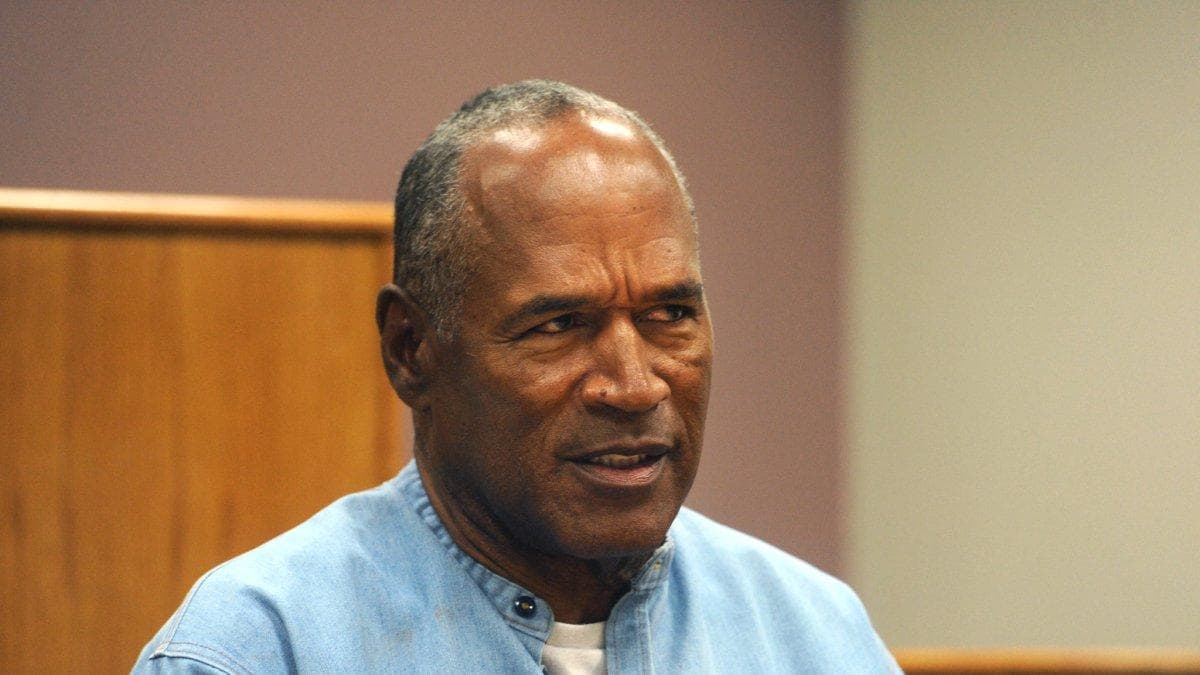

More than three decades after the trial that captivated the international public, new information revealed through an exhaustive review of court records that have been declassified puts the official narrative of the O.J. Simpson case under scrutiny.
The documents, reviewed by The New York Times, suggest that the former NFL player and television star may have had outside assistance in disposing of key evidence following the double homicide of Nicole Brown Simpson and Ronald Goldman in June 1994.
In the decades following his acquittal in criminal court, the possibility of an accomplice was systematically dismissed by prosecutors and law enforcement agencies, who considered the athlete's own statements — including his "hypothetical" account published in a book years later — were part of an attempt to capitalize on his public notoriety.
However, the emergence of a confidential federal memo and previously undisclosed testimony has reignited skepticism about the soundness of those conclusions.
A key informant and the shadow of the mafia
The centerpiece of this new information comes from a court document from that era kept under seal in New York, the contents of which were recently revealed following requests for access to the records.
The file details the cooperation of an inmate and informant considered highly reliable by federal prosecutors, who approached the authorities while the 1995 trial was underway in Los Angeles.
The informant, identified as Joseph Ippolito — a drug trafficker linked to organized crime and a fugitive who had briefly escaped from federal prisons — maintained close ties with Simpson's inner circle and with his confidant Al Cowlings.
According to records from the U.S. Attorney's Office in New York, Ippolito provided precise information regarding the whereabouts of the murder weapon, the handling of illicit substances, and the athlete's escape attempts — information that was shared discreetly with California prosecutors as the main hearings were drawing to a close.
New testimony and the review of the case
In addition to the information in the case file, statements from close associates point to unusual movements on the night of the crime. Reports compiled by the investigation suggest that the informant's connections to power networks in Los Angeles and his proximity to Simpson's inner circle raise unresolved questions about the subsequent tampering with the crime scene and the bloodstained clothing.
Although the new evidence does not alter the historic verdict nor provide conclusive forensic evidence that would allow the case to be legally closed, the nature of the findings has caught the attention of local authorities.
The Los Angeles Police Department has reiterated that, since this is a crime for which no final criminal conviction has been handed down, the department retains the formal obligation to review any relevant leads that might definitively clarify the events that marked one of the most controversial episodes in American criminal history.
🛠 Do you think there is an error in this article?
Recommendations





LATEST