Israel’s foes have more influence on its elections than its friends
Trump’s endorsement of Netanyahu, like Clinton, Obama and Biden’s efforts to defeat him, is less important than the role of the Palestinians and Iran in keeping him in office.
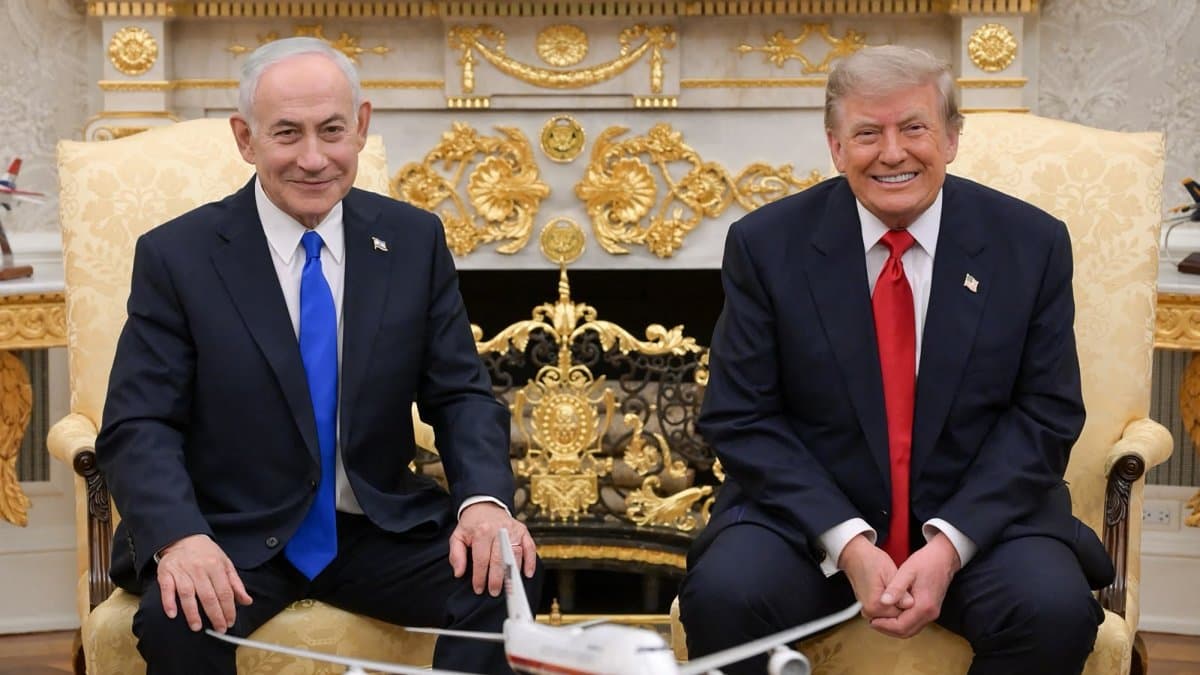

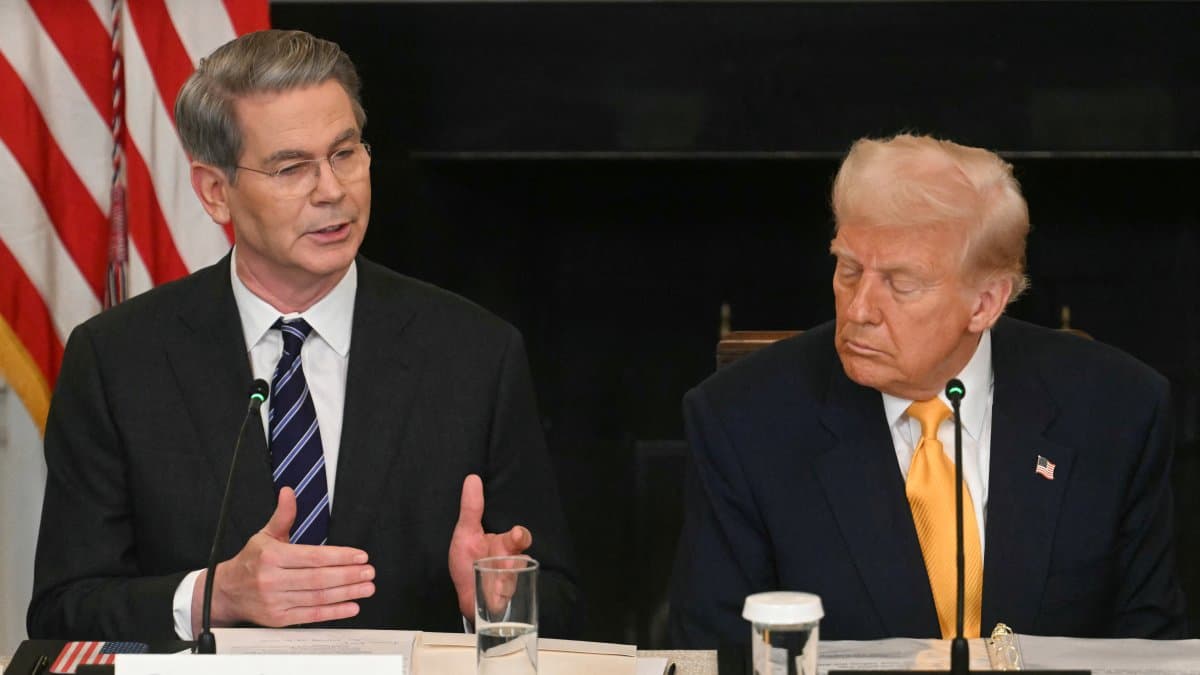
President Donald Trump’s endorsement of Israeli Prime Minister Benjamin Netanyahu for re-election broke precedent. Or at least, it did in one sense.
Never before had an American president so explicitly and openly stated his preference among candidates for office in the Jewish state. But for all of the huffing and puffing this is provoking among Netanyahu’s political opponents, as well as those Americans in the Democratic Party and the foreign-policy establishment who despise the prime minister, Trump’s statement is far from the first time that an American president has tried to intervene in Israeli politics.
His recent predecessors in the White House did as much, if not more, to try to influence elections in Israel as Trump has now done. Presidents Bill Clinton, Barack Obama and Joe Biden were all very clear about their desire to defeat Netanyahu in past elections. Going back to the distant past before Netanyahu led the Likud Party, President George H.W. Bush also worked hard to defeat then-Prime Minister Yitzhak Shamir in 1992. He succeeded, and the election of Yitzhak Rabin and the Labor-led coalition that year resulted in Israel traveling down the disastrous path to the Oslo Accords.
The Palestinians also have a vote
It remains to be seen whether Trump’s gesture will have the intended effect on the Israeli electorate. But whether or not the boost among voters grateful to Trump for his pro-Israel policies helps Netanyahu win, it’s important to acknowledge that a foreign entity other than the United States has played a far greater role in determining the outcome of Israeli elections. The Palestinian Arabs and their leaders, along with the Islamist regime in Iran and others elsewhere that encourage their intransigence and terrorism, have done more to influence Israeli voters than any American administration, whether it is as friendly as Trump’s or as hostile as that of the elder Bush or Obama.
It’s as simple as this. Had the Palestinians treated the Oslo peace process as an opportunity to create their own state next to Israel, rather than a chance to intensify their efforts to erase the Jewish state, the shift in Israeli politics that enabled Netanyahu’s record run as prime minister is unimaginable.
Netanyahu’s supporters can point to the enormous role that he has played in helping transform the Israeli economy from the socialist model imposed by the founders of the state, who were Labor Zionists. The Jewish state could not have become the Start-Up Nation with a prosperous, free-market First World financial system without the prime minister’s efforts. But his electoral success—he has headed six different governments that ruled for 19 years overall, 15-and-a-half of the last 17 years—is because the Palestinians have always had a decisive say in Israeli politics, especially since Oslo.
Opposing magical thinking
Netanyahu’s place in history is—contrary to the tsunami of criticism that has rained down on him from abroad—the result of the fact that whatever else you can say about him, he has been the main opponent of “land for peace” schemes that have consistently failed.
He has always been different from his opponents on the political left, as well as those who came from Likud, like Prime Ministers Ariel Sharon and Ehud Olmert, in one major respect. Sharon and Olmert blew up the Likud in 2005 to facilitate the withdrawal from the Gaza Strip that led to the formation of the Hamas state there in 2007 and ultimately the tragedy of Oct. 7, 2023. But unlike them or Rabin, Shimon Peres, Ehud Barak, Tzipi Livni or Yair Lapid, who also competed against Netanyahu in elections, he never succumbed to that sort of magical thinking about peace and the Palestinians and their Iranian allies.
Had the Palestinians been capable of paying the price for statehood—living in peace alongside Israel—that they were repeatedly offered by American presidents who opposed Netanyahu, the political history of Israel would have played out very differently in the last 30 years since he won his first term in 1996.
Americans tend to view Israeli politics through the lens of their own expectations and desires for how the State of Israel should behave. But Israelis, like the citizens of any other democratic nation, vote their interests. The majority welcomed Oslo and the hope it brought for peace. Americans and others who blame Netanyahu for the lack thereof and longed for more pliable Israeli leaders, like the opponents he bested in various elections, have acted as if everything the Palestinians have done since then never happened.
Washington versus Bibi
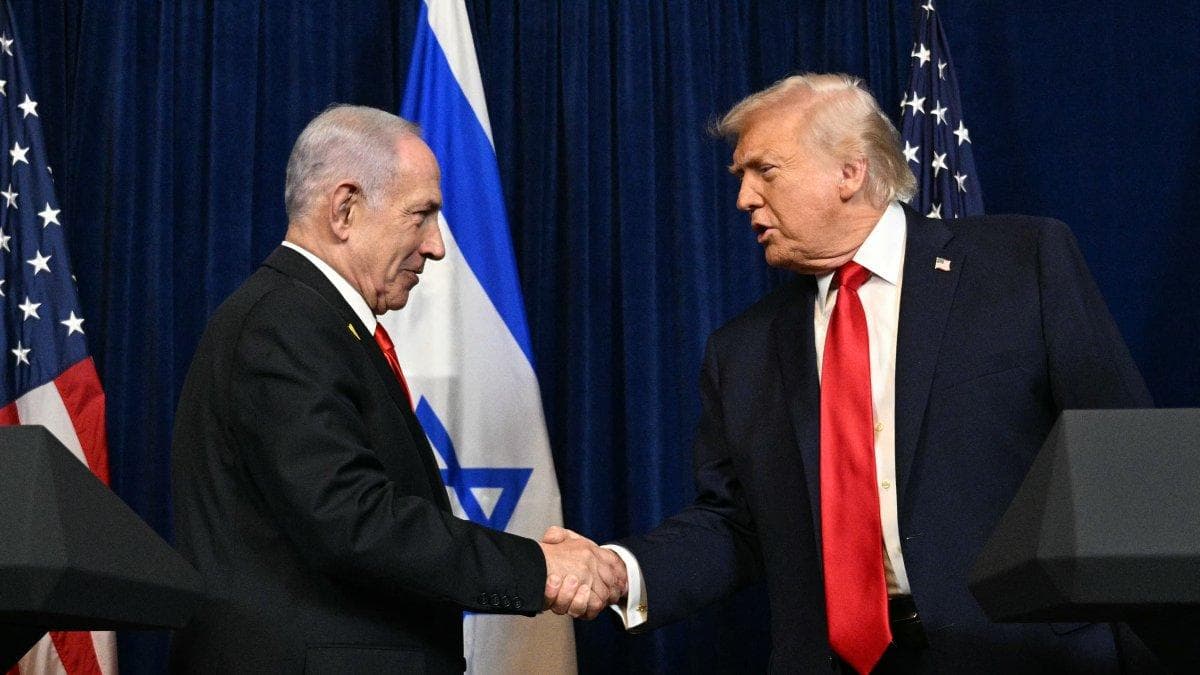
The efforts of the first President Bush to topple Shamir hinged on his insistence on supporting settlement building in Judea, Samaria and eastern Jerusalem. In 1996, Clinton did everything but canvass door to door in Tel Aviv to get Peres elected after the assassination of Rabin on Nov. 4, 1995. Despite Clinton’s great popularity among Israelis, he failed to stop Netanyahu. That was because of a wave of Palestinian terror attacks, coupled with the intransigence of Palestinian leader Yasser Arafat, in whom the Americans and many Israelis had invested so much faith in his willingness to make peace.
Clinton had better luck in 1999. His preference for then-Labor Party leader Ehud Barak in the 1999 election was enabled by the perception of Netanyahu’s failures in office and the fact that most Israelis were still willing to give Oslo a chance.
But again, the Palestinians proved to have far more influence over Israeli voters than the Americans. If Barak lasted only a little more than a year-and-a-half in office, it was because at Camp David in July 2000, Arafat turned down an offer of an independent Palestinian state in almost all of Judea and Samaria, a share of Jerusalem as well as the Gaza Strip. Instead, that blood-soaked murderer answered with the terrorist war of attrition known as the Second Intifada, which lasted until 2005, and cost the lives of more than 1,000 Israelis and many more Palestinians. That brought Sharon (who had replaced Netanyahu as leader of the Likud Party) back to power and essentially ended the Labor Party as a major force in Israeli politics.
After Sharon’s withdrawal from Gaza in the summer of 2005 proved as disastrous as Oslo, Netanyahu led Likud, which Sharon had abandoned for the centrist Kadima Party he had formed with some former Labor leaders, back to office in 2009. That and his subsequent victories were again largely the result of issues relating to security and Netanyahu’s opposition to a Palestinian state.
President Barack Obama and his foreign-policy advisers despised Netanyahu and rooted openly for his defeat in 2013 and 2015, even indirectly funneling money via U.S. State Department grants to his opponents. But these efforts failed. And they did so because not even Obama’s tilting of the diplomatic playing field in favor of the Palestinians could persuade them to accept the legitimacy of a Jewish state.
Israelis remain divided on a host of issues, such as forcing Haredi Jews to serve in the army and to support themselves financially, as well as the need to rein in the Jewish state’s out-of-control and all-powerful Supreme Court. Many also blame the prime minister for Oct. 7 since it happened on his watch.
However, Netanyahu’s opponents no longer advocate for a Palestinian state and “land for peace,” even if some of them actually want to return to those failed policies. The anyone-but-Bibi coalition, currently headed by former chief of staff of the Israel Defense Forces Gen. Gadi Eisenkot and his Yashar Party, hopes that Trump’s support notwithstanding, those issues and weariness with Netanyahu’s long tenure in office might lead to his defeat on Oct. 27.
But as long as the Palestinians conceive of their national identity as inextricably tied to a century-old war against Zionism—something made clear by the massacre of 1,200 people in southern Israel on Oct. 7, 2023—the Israeli right will remain a dominant force. And most of their political opponents will continue to try to appear as if they agree with Netanyahu on the basic questions of war and peace with the Palestinians and other Iranian terror proxies.
Still, the consensus against a Palestinian state and territorial surrenders cannot be broken by American pressure or persuasion. It can only end when the Palestinians and their enablers elsewhere give up the anti-Zionist project, which means nothing is going to change on that issue for the foreseeable future.
An ally, not a vassal state
To acknowledge this is not to say that American preferences have no impact on Israeli voters.
Israelis don’t like being treated as a vassal state, and Netanyahu has capitalized on that time and again, especially when presidents like Obama and Biden sought to force their country into suicidal concessions to the Palestinians or to restrict their ability to defend themselves and to defeat enemies like Hamas and Iran, as Biden tried to do after Oct. 7.
Yet among the top priorities of any premier is maintaining the relationship with Israel’s sole superpower ally, whose security assistance and help on the diplomatic front simply can’t be replaced elsewhere. Manifest incompetence at that task is an electoral liability. Netanyahu’s skill in rallying support at home against American pressure to do things most Israelis oppose is rooted in decisions made by the Palestinians and Iran to stay committed to a war for the destruction of Israel and genocide of the Jews.
If Trump has earned some credit in the view of many Israelis, it is because, by and large, he has acted as if he understood that. And it’s possible to argue that the president’s signal to them will persuade some, especially on the Israeli right, that maintaining the prime minister in office is vital to securing U.S. assistance in finishing the war against Hamas and Iran in the next two years.
That said, nothing Trump says about Netanyahu or the avalanche of opprobrium aimed at him by most Democrats calling for his toppling counts as much with Israeli voters as their understanding that the enduring hatred by Palestinians and Islamists in the Arab and Muslim worlds requires them to keep casting their votes on security issues, rather than domestic concerns.
Jonathan S. Tobin is editor-in-chief of JNS. Follow him: @jonathans_tobin.
🛠 Do you think there is an error in this article?
Recommendations



LATEST