Hispanics are divided on the American Dream, but most believe they live better lives than their parents
A new study by the Pew Research Center reveals that 54% of Latinos say they have achieved the American Dream or are on their way to achieving it, while 45% believe it is out of their reach or simply does not exist. Despite this skepticism, more people are confident that their children will have a better standard of living.
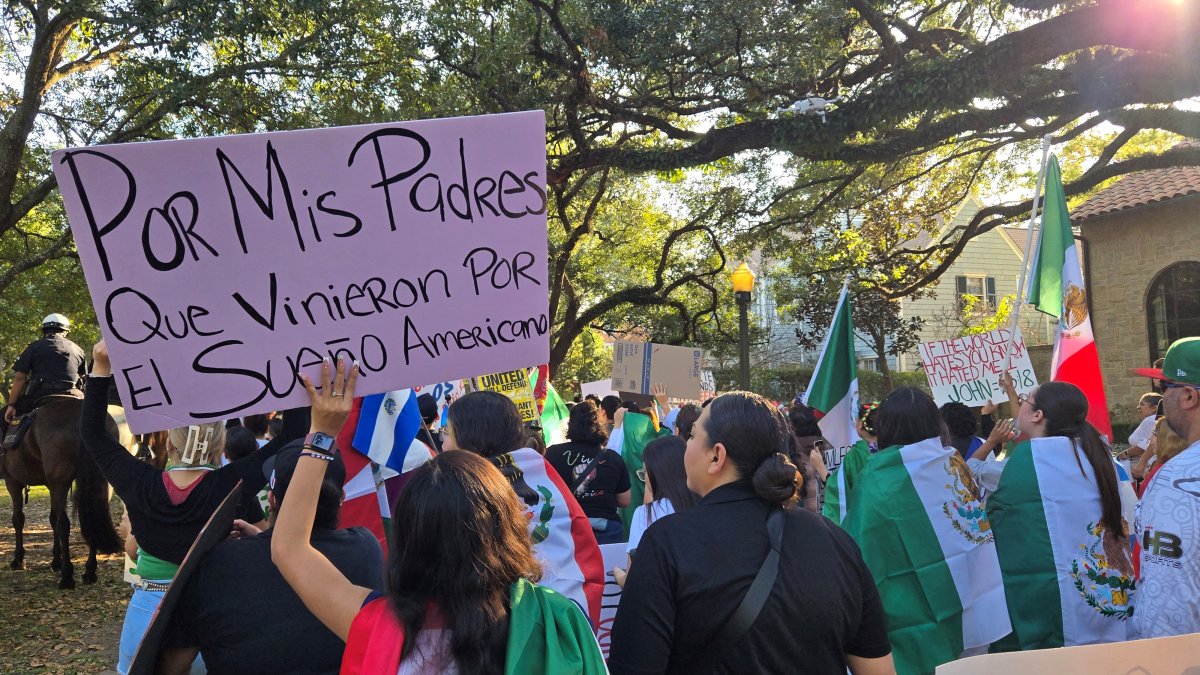
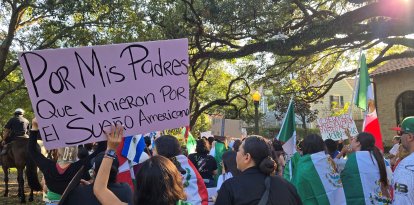
Immigrants march for the "American Dream" in the U.S.

Hispanics in the United States hold mixed views on the validity of the American Dream, although they express greater optimism when assessing their own economic progress and their children's prospects, according to a new report from the Pew Research Center published this month.
One in five Latinos, or 20% say, they have already achieved the American Dream, while another 33% believe they are on track to achieve it. In contrast, 18% believe that goal is out of their reach, and 27% say the American Dream simply does not exist.
The study, conducted by Luis Noé-Bustamante, Ziyao Tian, Carolyne Im and Sahana Mukherjee, also identifies a shift in Hispanics' perceptions compared to previous generations: they are now more likely to believe that achieving the American Dream has become more difficult than it was for their parents.
Pew notes that this perception marks a shift from a decade ago, when Hispanics tended to believe that achieving it was easier for them than it was for the previous generation.

Most say they live better than their parents
The picture changes when Hispanics are asked directly about their standard of living.
Fifty-seven percent say they live better than their parents, compared to 23% who say they are worse off. In addition, 53% are confident that their children will have a higher standard of living than they do, while only 14% anticipate that their children will be worse off.
Latinos also show greater optimism about intergenerational progress than other Americans.
Among non-Hispanic American adults, 44% believe their standard of living is better than their parents', and only 29% expect their children to be better off financially than they are.
When it comes to the American Dream, the differences are smaller. Among non-Hispanic Americans, 28% say they have achieved it, 29% believe they are on their way to achieving it, 19% see it as out of reach and 23% say it does not exist.
Latino immigrants are the most optimistic
Place of birth makes a significant difference.
Hispanic immigrants have a considerably more favorable perception of their economic progress than those born in the United States.
Seventy percent of Latino immigrants say they have a better standard of living than their parents, compared with 59% among other immigrants living in the United States.
Furthermore, 63% of Hispanic immigrants believe their children will live better lives than they do. Among other immigrants in the United States, that proportion drops to 35%.
There are also differences regarding the difficulty of achieving the American Dream. Forty-eight percent of U.S.-born Latinos believe it is harder to achieve today than it was for their parents, compared with 35% of Latino immigrants.
Among those in the third generation or later, that perception rises to 52%.

Hard work and opportunities
The study also asked Latinos what they consider necessary to achieve the American Dream.
Among those who believe that the American Dream exists, including those who say they have achieved it, are on their way to achieving it, or see it as out of their reach, 81% identify hard work and motivation as key factors.
Another 76% mention access to the right opportunities, while only 35% believe that luck or chance plays an important role.
This perspective varies depending on personal experiences.
Among those who believe they have achieved the American Dream or are on their way to achieving it, 85% attribute an important role to hard work and motivation. Among those who believe it is out of their reach, the percentage drops to 69%.
In turn, those who consider the American Dream unattainable are considerably more likely to attribute importance to luck: 43% compared to 25% among those who say they have achieved it.
What does the American Dream mean to Hispanics?
Nearly 6 in 10 associate the American Dream with financial matters. Thirty-six percent specifically mention financial security, 31% cite economic opportunities and 14% mention the possibility of homeownership. Responses could include more than one category.
About 4 in 10 also associate it with having a good life for themselves, their families, or their communities.
Other elements mentioned include freedom, cited by 18%; achieving success through hard work, at 13%; and equal treatment or acceptance by others, at 11%.
A national survey of nearly 5,000 Latinos
The results come from the Pew Research Center's National Survey of Latinos, conducted between Oct. 6 to 16, 2025.
The overall study included 8,046 U.S. adults, including 4,923 Hispanics, and was conducted in both English and Spanish via online and telephone interviews.
Participants were selected through a national random address sample, and the results were weighted to represent the U.S. adult population based on factors such as gender, race, ethnicity, educational attainment, political affiliation and presidential vote.
The analysis comes at a time when Latinos account for approximately 1 in 5 Americans and constitute the second-largest racial or ethnic group in the country.
The results thus reveal a paradox: while a significant portion of Hispanics question whether the American Dream remains attainable, or even whether it still exists, the majority believe they have already experienced an improvement compared to their parents' generation and are confident that their children will be able to advance even further.
LATEST