Transgender dolls with removable genitalia to arrive in Minnesota schools this fall
MyGender Dolls are paper dolls with gender-neutral names—such as Sam, Rory, Avery and Parker—and feature removable internal and external genitalia, as well as more than 100 interchangeable clothing items, hairstyles and accessories.
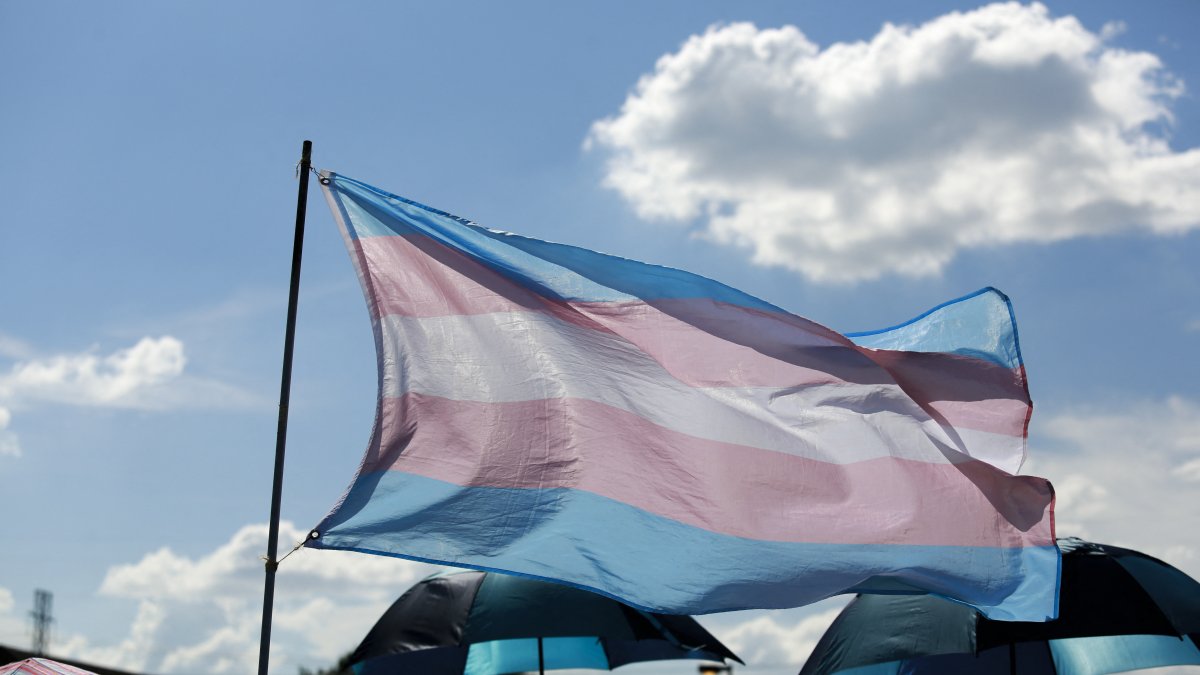
Image of the transgender flag

A project developed by researchers at the University of Minnesota and later turned into a commercial venture has sparked controversy over the launch of gender-identity dolls aimed at children ages 4 to 10, which will be available this fall to teachers, school counselors, pediatricians and mental health professionals.
As reported by The New York Post, MyGender Dolls are paper dolls with gender-neutral names, such as Sam, Rory, Avery, and Parker, and feature removable internal and external genitalia, as well as more than 100 interchangeable clothing items, hairstyles, and accessories.
According to the company's website, the dolls aim to "make gender fun" and serve as a tool for discussing gender identity with children. The project began as a research initiative at the University of Minnesota School of Medicine and was later commercialized by professors Dianne Berg and G. Nic Rider.

Opinion
The Supreme Court ruled in favor of biology, but ideology has not been defeated
Karina Mariani
For approximately six years, the research included sessions with children who identified as transgender or gender-diverse and their families, who received between $20 and $60 for participating in activities in which they played with the dolls and talked about gender and the body, according to The New York Post.
$15 million annually in state funding to strengthen its research capacity
When the newspaper asked how much taxpayer money was specifically allocated to the research, the development of the dolls, and the salaries of the professors involved, the university did not respond and recommended filing a formal request for public records.
The governor's office did not respond to The New York Post's questions on the matter.
LATEST