Trump takes mail-in voting to Supreme Court: Seeks to reinstate executive order following judicial block
The executive order in question, signed by Trump in late March, directs the Department of Homeland Security to compile state-by-state lists of citizens to determine voter eligibility, and instructs the Postal Service to use those lists to decide who is eligible to vote by mail.
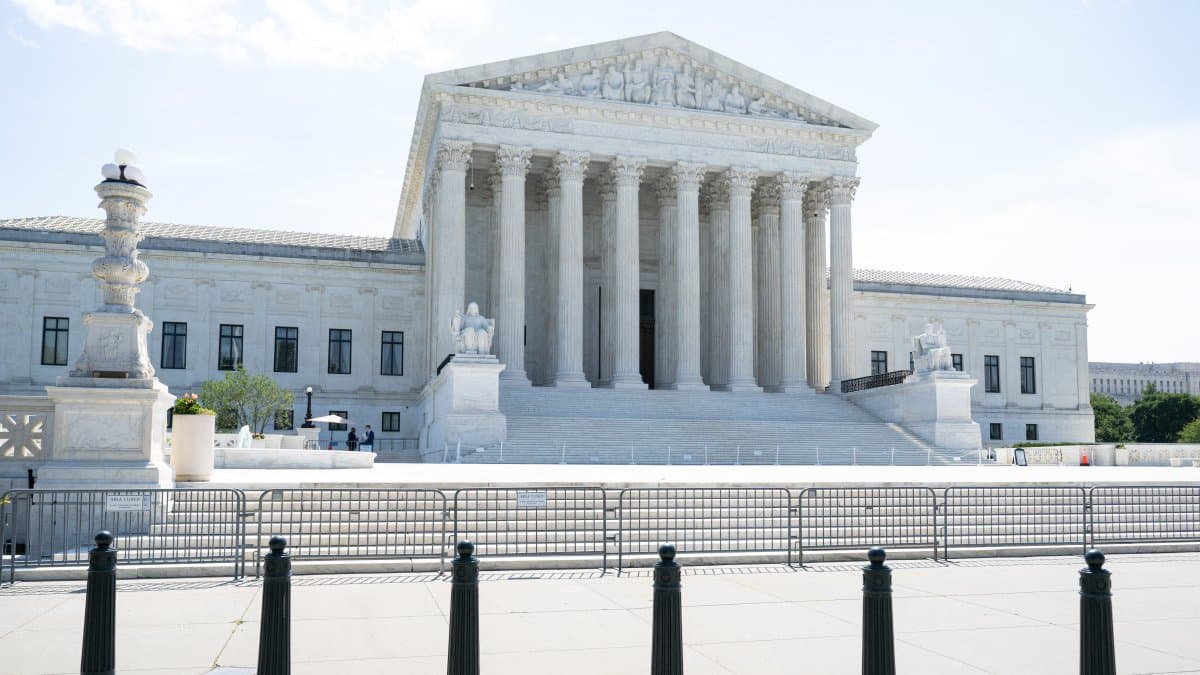

The Trump administration turned to the Supreme Court on Monday to ask it to enforce a presidential executive order restricting mail-in voting, after a federal appeals court blocked key parts of that measure over the weekend. The legal battle comes just a few months before the midterms in November, in which the president is seeking greater control over the electoral process.
The executive order in question, signed by Trump in late March, directs the Department of Homeland Security to compile state-by-state lists of citizens to determine voter eligibility, and instructs the U.S. Postal Service to use those lists to decide who is eligible to vote by mail. More than 20 Democratic attorneys general challenged the measure in court, arguing that it violates the separation of powers by having the executive branch assume functions that the Constitution reserves for Congress and the states.
That argument has already been upheld twice by the judiciary. In June, Federal Judge Indira Talwani of Massachusetts, blocked key parts of the executive order, arguing that "the Constitution does not grant the President any specific powers over elections." This weekend, a three-judge panel of the U.S. Court of Appeals for the First Circuit upheld that decision, warning that allowing the executive order to take effect ahead of November "would sow confusion and threaten disenfranchisement of many eligible voters."
Politics
An appeals court keeps Trump's measures to strengthen voter verification on hold
Joaquín Núñez
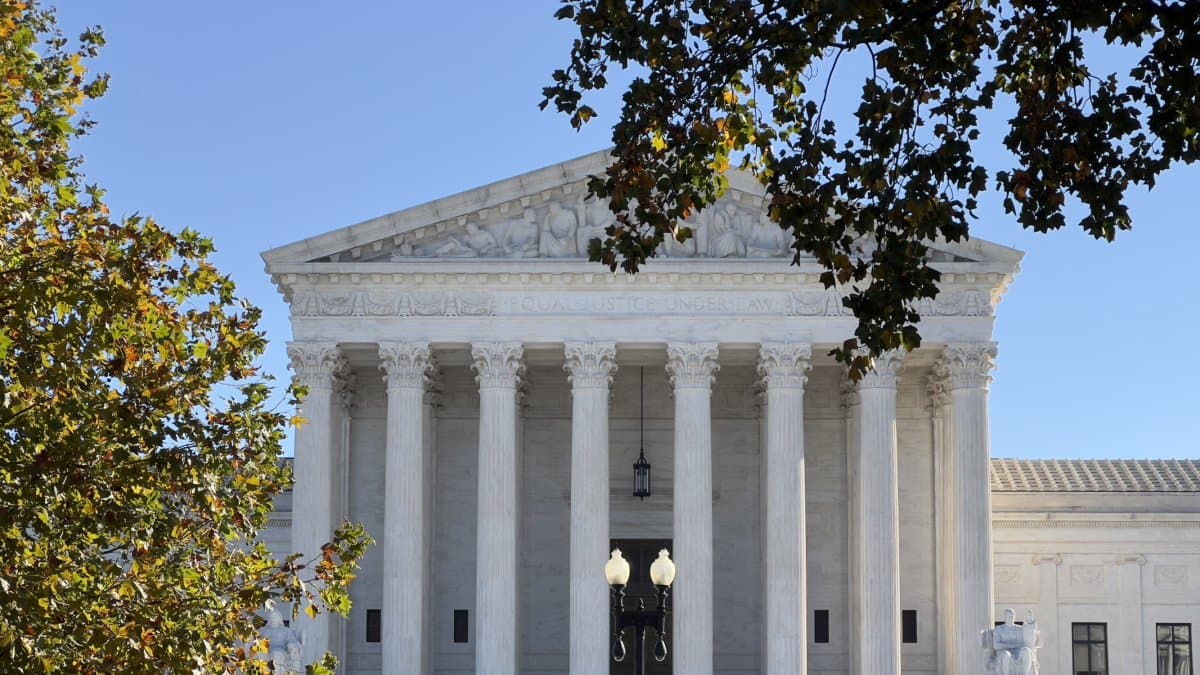
Faced with this new setback, Attorney General D. John Sauer filed an emergency petition with the Supreme Court on Monday, in which he called the lower court's ruling "indefensible" and argued that it inflicts "serious irreparable harm on the federal government," by preventing federal agencies from implementing a measure aimed at "promoting election integrity" in the November election. The Supreme Court gave the plaintiffs until next Monday, August 3, to respond to that petition.
The dispute adds to a long list of attempts by the president to restrict mail-in voting, a method he has repeatedly questioned with allegations of widespread fraud that, so far, he has failed to substantiate with evidence. To date, federal courts have blocked many of these initiatives.
The Supreme Court itself had already expressed reservations about this agenda. In late June, the Supreme Court upheld a Mississippi law allowing mail-in ballots postmarked on Election Day to be counted, even if received up to five business days later, in a ruling that rejected the administration's attempts to overturn that law. On that occasion, Chief Justice John Roberts and Justice Amy Coney Barrett sided with the three justices on the court's more progressive wing. The decision, centered on the Mississippi law, also upheld similar rules in effect in at least 18 other states and territories, including Nevada and California, both of which have key congressional districts for the midterm elections.
After the ruling was announced, Trump had called the decision "a tremendous loss" on social media, and called on Congress to pass a law imposing restrictions on mail-in voting and adding new voter ID requirements.
🛠 Do you think there is an error in this article?
Recommendations





LATEST