Nation's busiest commuter rail system halts operations due to workers' strike
The suspension of service affects hundreds of thousands of passengers in the New York area following the failure of labor negotiations. The dispute revolves around wages, benefits and cost of living.
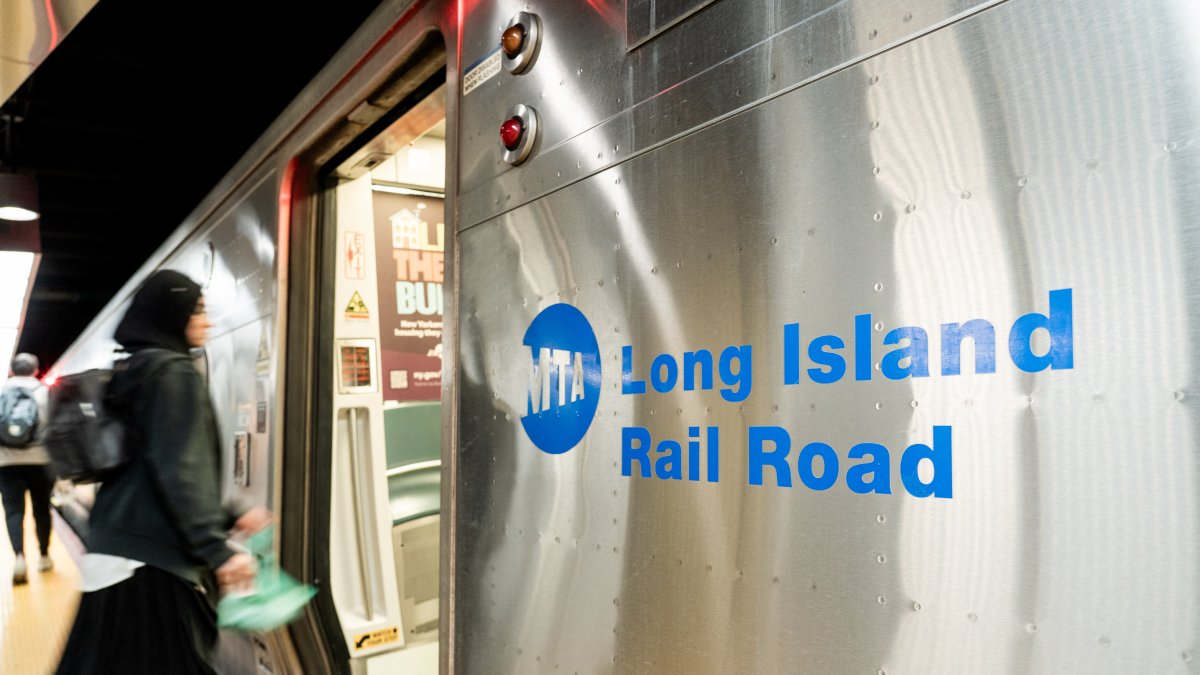
The Long Island Railroad system at the New York terminal (File).

North America's largest and busiest commuter rail system suspended operations Saturday after thousands of workers went on strike following months of failed negotiations with transportation authorities. The stoppage affects the Long Island Rail Road (LIRR), a key network that connects the Long Island suburbs to New York City and carries hundreds of thousands of people each day.
The strike began after five unions announced a work stoppage after failing to reach an agreement with the regional transit authority. The dispute involves approximately 3,500 workers, including engineers, machinists, electricians and rail technicians.
Why did the strike break out?
The main dispute revolves around wage increases and job benefits. The unions argue that workers have been without sufficient adjustments for years in the face of the rising cost of living and inflation. Labor representatives are demanding increases to compensate for the accumulated backlog and question the conditions proposed by the railroad authority.
On the other side, the Metropolitan Transportation Authority (MTA), the agency that manages the system, claims to have presented reasonable wage proposals and warns that accepting all union demands could generate strong financial impacts, including possible fare increases or budget cuts.
More than 250,000 passengers affected
The suspension directly hits approximately 250,000 to 300,000 daily riders, many of whom rely on the service to commute between Long Island and Manhattan. Local authorities have asked those who can work from home to do so and have enabled limited bus services as a temporary measure.
The disruption could also generate a sharp increase in traffic and affect sporting events and mass activities planned in the New York region over the weekend.
A conflict with historical and political weight
The strike represents the first such disruption in more than three decades. The last major LIRR stoppage occurred in 1994. Previous attempts to avert a new crisis had included federal mediation processes and even government intervention to extend negotiations.
The conflict also increases political pressure on state leaders and transportation officials, who face questions about the system's funding and handling of labor negotiations.
What is the Long Island Rail Road and why does it matter?
A total disruption has effects far beyond transportation. It impacts the regional economy, businesses and the daily lives of hundreds of thousands of people.
LATEST