The short-lived effect of obesity drugs: When stopped, weight regain is four times faster
In recent years, the new generation of treatments for diabetes and obesity, which increase the action of a hormone to act on insulin secretion (GLP-1, glucagon-like peptide type 1) and the sensation of satiety, has been causing a furor in several countries, including the United States.


A systematic review by researchers at Oxford University's Biomedical Research Center found that people tend to regain weight quickly after stopping weight-loss drugs, and much faster than after finishing behavioral weight-loss programs.
In recent years, the new generation of diabetes and obesity treatments, which enhance the action of a hormone to act on insulin secretion (GLP-1, glucagon-like peptide type 1) and the feeling of satiety, is making waves in several countries, including the United States.
According to the report published in The BMJ, in 37 studies involving 9341 adults, an average weight gain of 0.4 kg (0.9 lb) per month after stopping weight-control drugs was observed.
The researchers estimate that, at this rate, people would regain their starting weight within 1.5 to 2 years. With newer medications, such as semaglutide and tirzepide, regain averaged 0.8 kg (~1.8 lb) per month, and return to baseline weight is expected to occur in about 1.5 years.
Most Americans want to lose weight
These percentages have remained relatively stable since 1996, when systematic tracking of this indicator began. However, early measurements taken between 1951 and 1957 showed a different picture, with the majority of Americans content to maintain their weight.
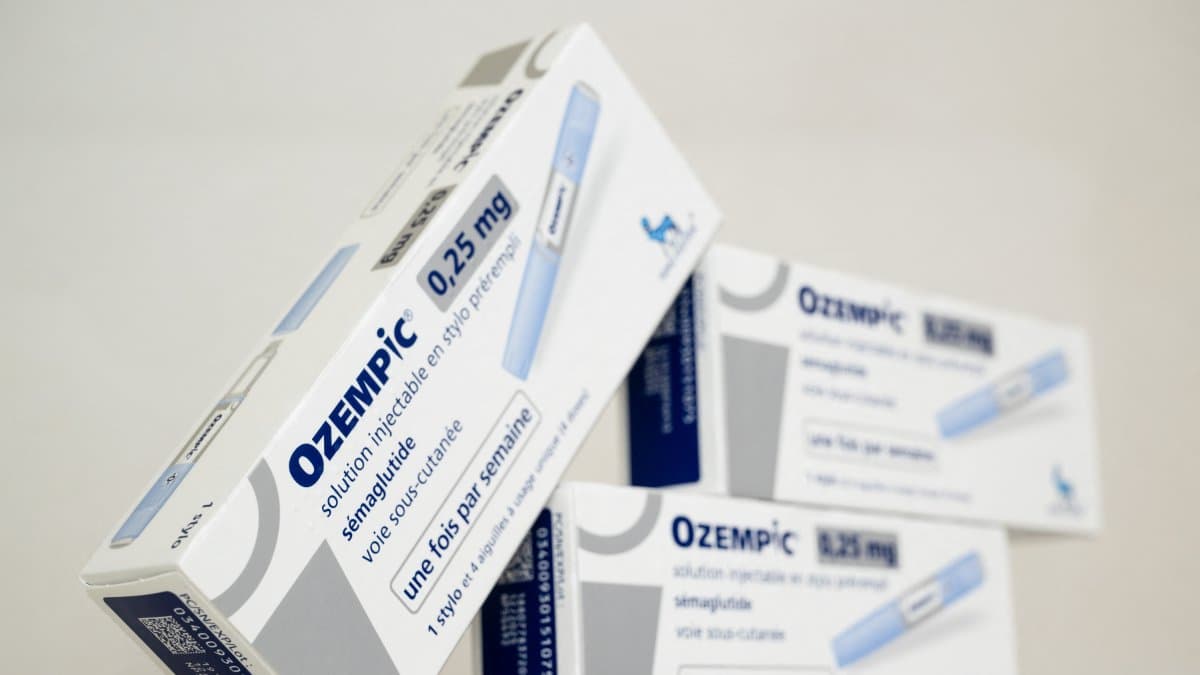
"These medicines are transforming obesity treatment and can achieve important weight loss. However, our analysis shows that people tend to regain weight rapidly after stopping – faster than we see with behavioural programmes," says lead author Sam West, PhD, a postdoctoral researcher in the Nuffield Department of Primary Care Health Sciences at the University of Oxford.
The data was shared after a Gallup poll that revealed that with the arrival of the new year and the start of New Year's resolutions for Americans, 41% of Americans describe themselves as somewhat overweight and 52% say they would like to lose weight. However, only half (26%) actively try to do so. Women are still more likely than men to say they are overweight and would like to lose weight.
"While the recent rise in use of GLP-1 drugs is linked to a notable decrease in obesity in the U.S., a steady four in 10 Americans report being at least somewhat overweight, and more than half continue to say they would like to lose weight. Yet only half of those who want to lose weight are actively trying to do so," the study highlighted.
🛠 Do you think there is an error in this article?
Recommendations








LATEST