Jared Kushner defends his handling of the Middle East following leaks about his negotiation channels
The former presidential adviser's legal team dismissed allegations of financial impropriety, reaffirming that all of his diplomatic conversations adhered to the legal framework and were in the national interest of the United States.
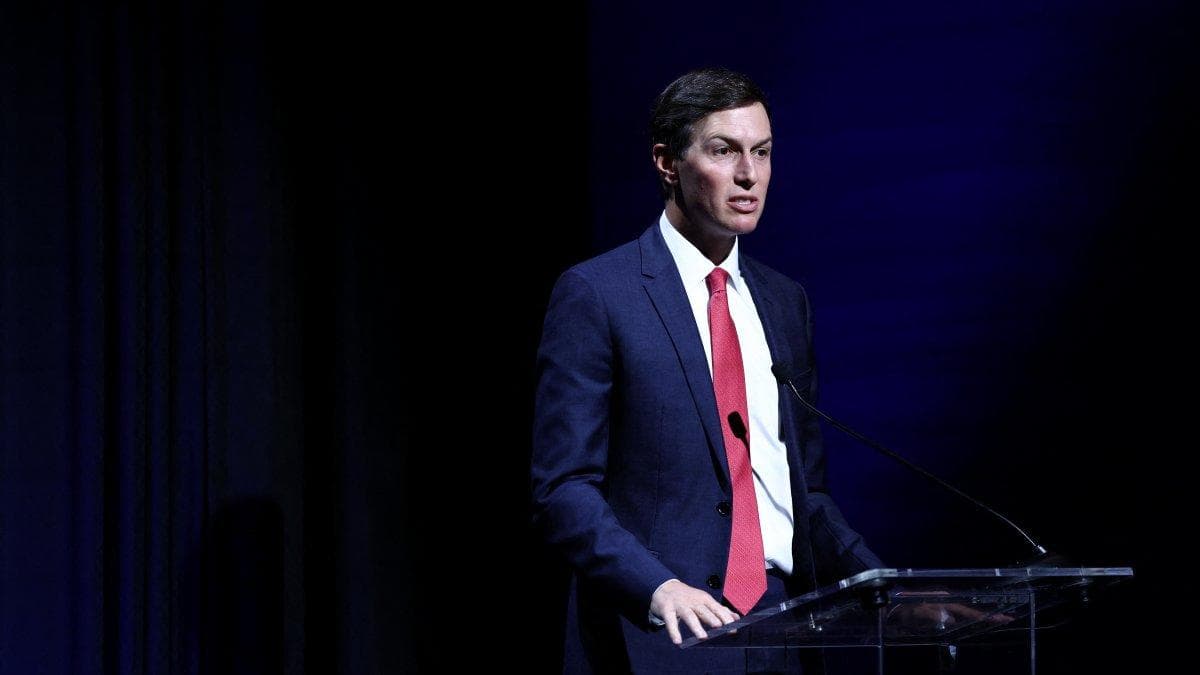

Jared Kushner's legal team strongly defended the former senior White House adviser's conduct during his international negotiations in the Middle East, categorically denying any violation of federal laws or the use of undeclared financial structures during his time in the federal government.
The defense's clarifications follow the publication of a Vanity Fair report detailing monitoring by European intelligence agencies of the communication channels and strategic discussions Kushner maintained with senior leaders from the United Arab Emirates, Saudi Arabia, and Israel.
In response to the allegations, Kushner's legal team emphasized that all of his actions were strictly aligned with the Executive Branch's guidelines.
His defense attorney formally maintained that Kushner had not reached any agreement, understanding, or arrangement with foreign authorities or officials that had not been previously approved by the president of the United States or that was not in the country's best interests.
The former administration adviser's defense team also denied any connection to or knowledge of unregistered bank accounts or opaque financial dealings abroad. His legal team emphasized that Kushner fully complied with all federal ethical regulations and financial disclosure requirements for high-level officials.
Regarding references to alleged handling of funds through entities in the Persian Gulf or deposits in the Central Bank of Israel to finance regional objectives, the legal representation insisted that "there are no such accounts, nor have there ever been" in a personal capacity or outside of institutional channels.
A pragmatic approach to geopolitical change in the region
During his tenure, Kushner prioritized building direct channels with key regional figures, including Emirati leader Mohamed bin Zayed and Saudi Crown Prince Mohammed bin Salman.
This pragmatic approach sought to create economic incentives and security infrastructure to facilitate historic rapprochement with Israel, a strategy that ultimately led to the signing of the Abraham Accords.
Sources close to Kushner maintain that his diplomatic efforts were part of a deliberate strategy to break the decades-long deadlock in the Middle East, while maintaining the necessary oversight and commitment to U.S. foreign policy at all times.
Politics
Identity crisis: A court document refers to Ilhan Omar by her ex-husband's last name, whom authorities accuse of being her brother
Emmanuel Alejandro Rondón
🛠 Do you think there is an error in this article?
Recommendations


LATEST