Democrats in Congress want documentation from the oil deal with Venezuela and are asking what happened to the democratic transition promised by Trump
The letter is signed by Gregory W. Meeks, a representative from New York and the ranking member of the House Foreign Affairs Committee, and Robert Garcia, the ranking member of the Committee on Oversight and Government Reform.
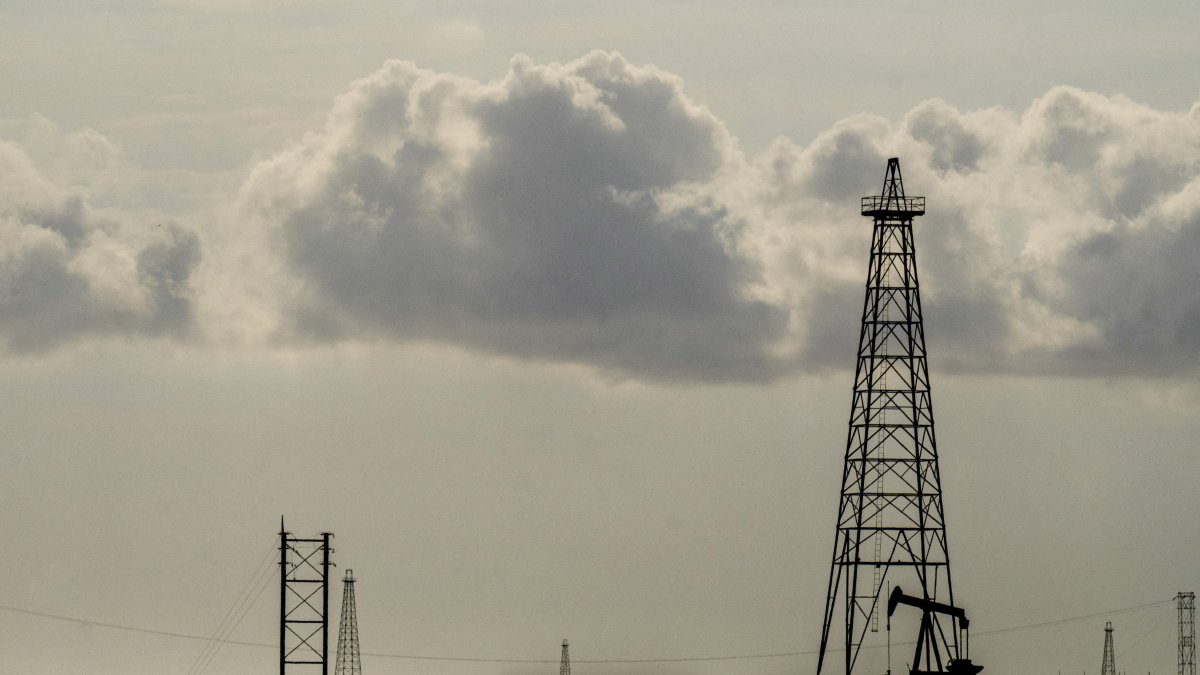
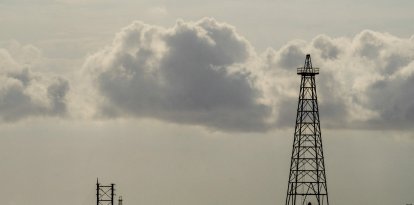
Oil rigs in Cabimas, south of Lake Maracaibo, Zulia state, Venezuela

Two of the highest-ranking Democrats in the House of Representatives sent a letter addressed to Secretary of State Marco Rubio and to Secretary of Defense Pete Hegseth, demanding full documentation regarding the oil agreement that gave the U.S. government a stake in North American Blue Energy Partners (NABEP), the company led by the controversial Venezuelan businessman Alejandro Betancourt, which now operates 17 oil fields in Venezuela under a 100-year concession.
The letter is signed by Gregory W. Meeks, a New York representative and the ranking member of the House Foreign Affairs Committee, and by Robert García, the ranking member of the Committee on Oversight and Government Reform. Meeks chaired that same committee from 2021 to 2023, before Republicans regained the House majority. The midterms are on November 3, so the Democrats could, if they regain control of Congress, once again lead the committees for the final years of President Donald Trump's term.
Lawmakers, speaking in a confrontational tone, described the White House's move to acquire a stake in NABEP as "a remarkable imitation of the Maduro regime's economic playbook." The central complaint is that Washington ended up partnering with businessman Betancourt, who is facing money laundering investigations in the United States, Spain, and Switzerland and has a long history of benefiting from the Chavista regime, managing to amass a vast fortune thanks to multiple multimillion-dollar contracts with the Venezuelan government during the era of the late dictator Hugo Chávez.
According to the letter, high-ranking U.S. officials reportedly intervened in the Swiss criminal investigation against Betancourt while the Trump administration was finalizing this oil deal with him. As reported by The Washington Post, federal government officials, including then-Attorney General Pam Bondi, pressured Swiss authorities to close the case against the businessman without criminal convictions or jail time.
Meeks and Garcia also pointed to a closed-door meeting that Trump administration officials held on September 14 with members of the Foreign Relations Committee, where, according to the letter, they did not commit to providing the text of the agreements, nor did they answer key questions, including: what exactly did NABEP receive in exchange for a stake that could be worth billions of dollars, and how will Washington prevent those proceeds from ending up in the hands of Betancourt or corrupt Chavista officials.

The document includes a list of 17 questions addressed to Rubio and Hegseth. Some focus directly on the business's financial structure: who owned NABEP's shares before the agreement was signed, or what financial exposure U.S. taxpayers might assume if the company fails to meet its production targets. Others touch on a more sensitive issue, regarding the armed forces and on-the-ground guarantees: "Will the United States military be tasked with protecting NABEP assets in Venezuela?" the lawmakers asked.
Another central point of the letter is the democratic transition that Trump and senior White House officials promised for Venezuela. The Democrats asked Rubio and Hegseth directly what political or democratic concessions, if any, the administration obtained from Venezuelan authorities in exchange for this agreement, specifically citing commitments regarding election dates, reforms to the National Electoral Council, political prisoners—of whom more than 300 reportedly remain behind bars in the country—and human rights. They also want to know how Washington plans to ensure that oil profits "benefit the Venezuelan people," rather than enriching "private investors, politically connected businessmen, or unelected Venezuelan officials."
This demand comes amid growing social unrest within Venezuela. The country still has no set date for the elections that the interim regime of Delcy Rodríguez promised before the UN General Assembly just a few days ago. Adding to this are daily power outages affecting much of the country, lingering discontent over the slow official response after the earthquakes that shook the nation, and the failure to fulfill promises to release all political prisoners. This combination has already driven thousands of Venezuelans into the streets in protests that, according to firsthand accounts obtained by VOZ, have been ongoing for more than a week in various regions of the country.
Meeks and Garcia concluded the letter by demanding responses to pending inquiries from previous oversight letters, including one Meeks sent in February about the U.S. administration of Venezuela's oil reserves, to which the Department of State responded, according to the lawmakers, insufficiently.
The signatories gave both secretaries until October 14 to submit the requested documentation and respond to the full questionnaire.
LATEST