Up to $450: The Trump administration raises pay for service members in hazardous areas for the first time in more than 20 years
Under the new policy, the monthly Hostile Fire Pay (HFP) will increase to $450, while the Imminent Danger Pay (IDP) will rise to $275.
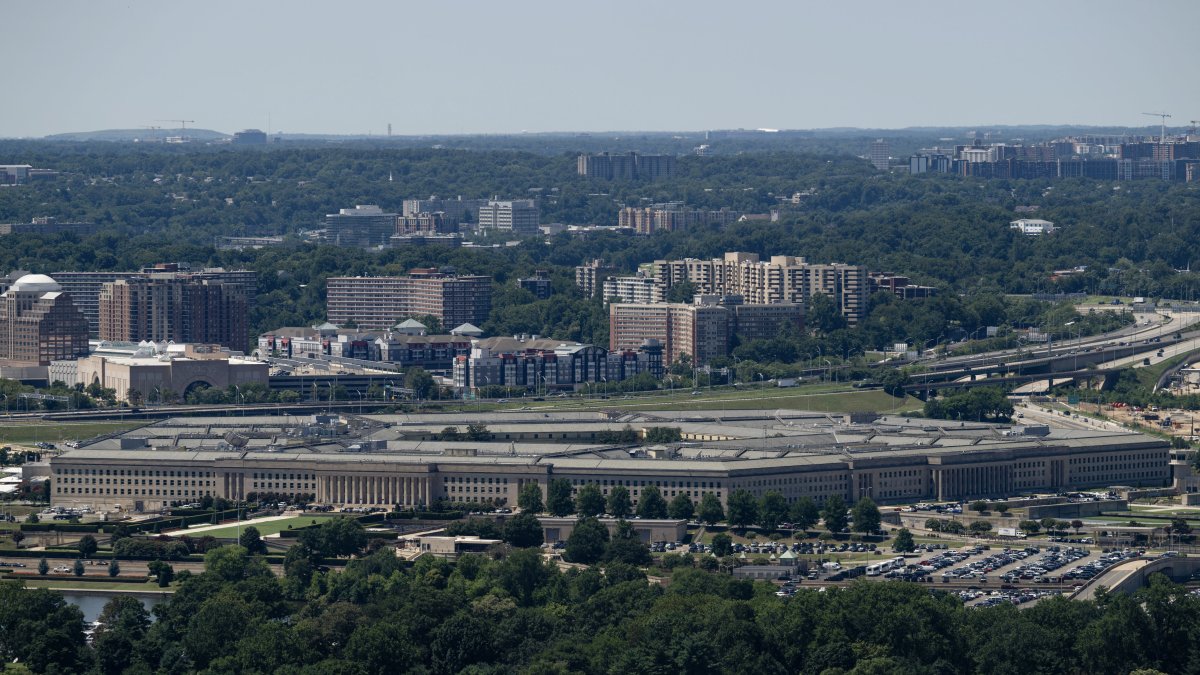
A panoramic view of the Pentagon on July 23, 2026.
The Pentagon approved on Thursday the first increase in more than two decades in the additional compensation received by members of the U.S. Armed Forces when deployed to areas where they face hostile fire or imminent danger. Under the new policy, the monthly Hostile Fire Pay (HFP) will increase to $450, while the Imminent Danger Pay (IDP) will rise to $275, according to a July memo signed by Timothy Dill, under secretary of Defense for Personnel and Reserve Affairs.
"Our troops who are in danger deserve compensation that reflects the risk they face," Pentagon Chief Spokesperson Sean Parnell said, who also explained that "If an area designated to receive IDP becomes an active combat zone, commanders can immediately transition IDP personnel to HFP. This provides a clear and timely mechanism to recognize elevated levels of risk."

Politics
Hegseth announces drastic reduction in number of generals and admirals in the Armed Forces
Alejandro Baños
Both special pay categories had remained at $225 per month since October 2002. The Department of Defense noted that the new structure introduces a "tiered model" designed to differentiate between missions with potential danger and situations where troops are actually exposed to hostile fire.
The Pentagon's announcement came a day after President Donald Trump's administration decided to increase its naval presence in the Middle East, deploying more than 4,000 marines and sailors aboard three warships to the region as military activity intensifies in the area of operations for U.S. Central Command (CENTCOM).
"The Makin Island Amphibious Ready Group and the 13th Marine Expeditionary Unit are conducting routine operations in the U.S. 3rd Fleet's area of operations. U.S. 3rd Fleet leads naval forces in the region and provides the realistic and relevant training necessary to fulfill our Navy's role across the full spectrum of military operations, from combat operations to humanitarian assistance and disaster response," a spokesperson for the U.S. Pacific Fleet said on Wednesday.
LATEST