Federal judge orders Trump to hand over memo explaining the legal basis for his attacks on drug-smuggling vessels
Engelmayer rejected two of the administration's three arguments for keeping the document confidential.
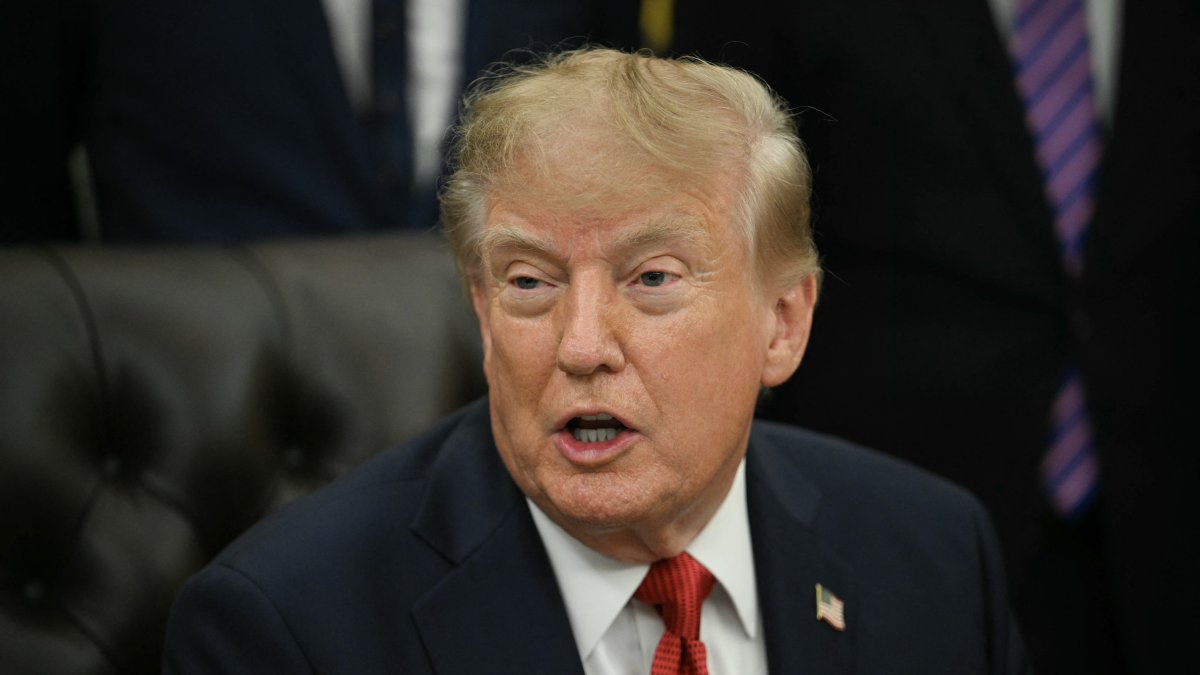
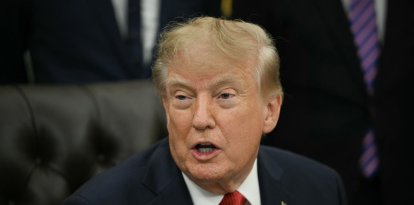
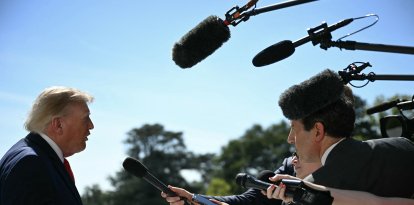
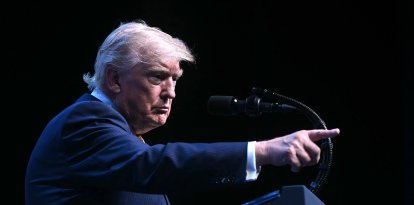
President Donald Trump addressing the media from the Oval Office on September 18.
Federal Judge Paul Engelmayer ordered the administration of President Donald Trump to turn over to the court a Department of Justice memorandum setting out the legal justification for the Pentagon's lethal strikes against vessels in the Caribbean and the Pacific as part of its offensive against narco-terrorism. The case stems from a lawsuit filed last year under the Freedom of Information Act (FOIA) by the American Civil Liberties Union (ACLU), the New York Civil Liberties Union (NYCLU), and the Center for Constitutional Rights.
Engelmayer rejected two of the administration's three arguments for keeping the document confidential, ordering the government, in a 66-page ruling, to submit the memorandum within two weeks for private review before any decision is made on its possible disclosure.
In his ruling, the district judge rejected the Trump administration's arguments that the deliberative process privilege and the attorney-client privilege protected the memo. Engelmayer noted that presidential privilege is distinct from the other two arguments because it is rooted in the Constitution and protects confidential communications involving the president, the commander-in-chief, and his top advisors.
Over the past few months, Trump has defended offensive operations against vessels as necessary to protect the United States from illicit drug trafficking and to dismantle "narco-terrorist" networks operating throughout the Western Hemisphere, primarily in countries such as Venezuela, Mexico, and Colombia. However, several Democratic lawmakers have questioned that justification and accused Trump and Defense Secretary Pete Hegseth of issuing illegal orders.
At least 70 attacks have been carried out in the Caribbean and the eastern Pacific since the military campaign began on September 2, 2025, leaving more than 230 dead. Despite this, the Republican administration has sought to expand its scope of action to weaken narco-terrorist organizations through cooperation with Colombian, Mexican, and Venezuelan authorities.
LATEST