‘Tell Trump that this is how we Venezuelans dance’: Protests in Venezuela intensify after several days of uninterrupted street demonstrations against Delcy Rodríguez's regime
Public discontent has been growing in intensity over the past few days in the capital and in strategic states such as Zulia, Bolívar, Monagas, Anzoátegui, Lara, Yaracuy, Aragua, Trujillo and Carabobo.
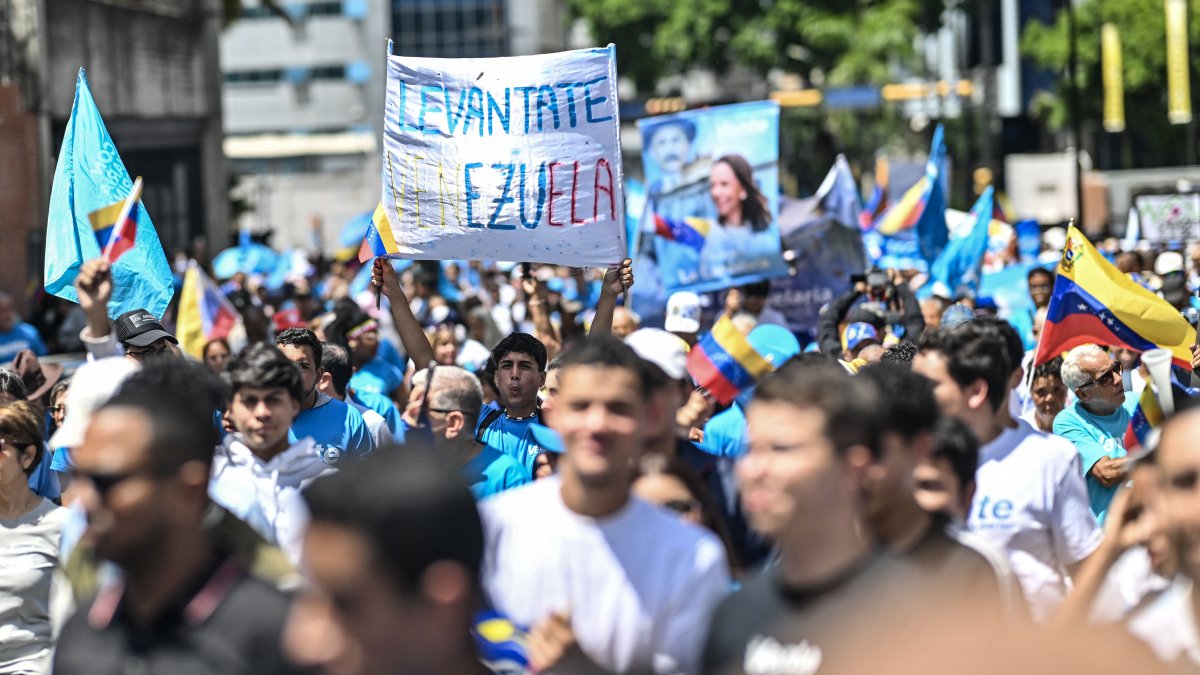
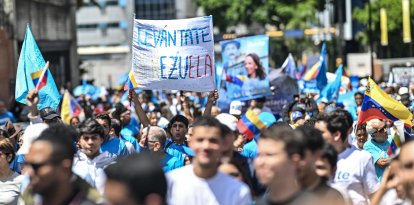
Venezuelans protesting in the streets of Caracas.

A wave of protests that is constantly growing has begun to gain strength and intensity throughout Venezuela, marking nearly a full week of daily demonstrations that categorically refute the atmosphere of supposed calm and festivity that authorities have sought to project.
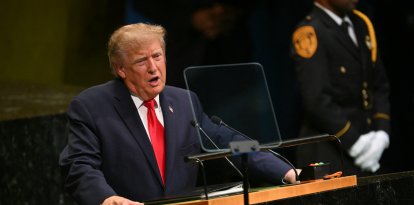
With a clear and ironic message directed at the White House: "Tell Trump that this is how we Venezuelans dance," thousands of citizens have taken to the roads and avenues to respond to the repeated claims by the U.S. president, who has asserted that the population "is dancing in the streets" following the capture of Nicolás Maduro.
The demonstrations, which began with demands from labor groups, lawyers and relatives of political prisoners, have been escalating day by day in both turnout and intensity.
The inability of the regime led by the "interim" Delcy Rodríguez to offer solutions to institutional paralysis and the collapse of basic services has ultimately sparked protests in virtually every region of the country.
Nearly a week of daily standoffs in the streets
Popular discontent has been expressed with increasing intensity in recent days in the capital and in strategic states such as Zulia, Bolívar, Monagas, Anzoátegui, Lara, Yaracuy, Aragua, Trujillo and Carabobo.
At key locations such as the Rafael Urdaneta Bridge over Lake Maracaibo, vehicular traffic was blocked by university students and laborers who are facing an official minimum wage frozen at just 130 bolivars per month since 2022 — a figure that amounts to barely a few cents at the official exchange rate.
"Delcy, we're going to get rid of you sooner or later because you're just more of the same," protesters warned in the capital of Zulia during moments of high tension with security forces, according to the EFE news agency.
In Caracas, the marches proceeded along major thoroughfares to the headquarters of the judiciary, where representatives of the Alliance for the Freedom of Political Prisoners submitted formal demands to investigate judges involved in abuses of authority, procedural delays and injustices against those detained for political reasons.
THE CLASH BETWEEN WASHINGTON'S NARRATIVE AND THE REALITY IN VENEZUELA
- The source of the statements: Donald Trump has repeatedly claimed that the population "is dancing in the streets" with joy following Nicolás Maduro's arrest on Jan. 3, projecting a rapid return to normalcy in the country.
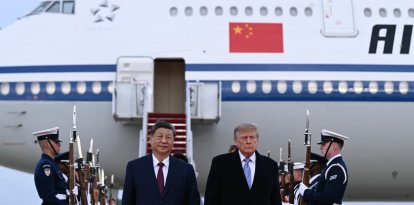
- Rapprochement with the Chavista leadership: The president described acting President Delcy Rodríguez as "fantastic" following their meeting in New York, which took place within the framework of energy agreements under which the U.S. would come to control one-fifth of Venezuela's oil reserves.
- The root of popular discontent: unlike the festive atmosphere reported by the White House, Venezuelans are facing electricity rationing of more than 10 hours a day and a minimum wage set at 130 bolivars per month (cents) since 2022.
- Democratic uncertainty: daily protests demand the immediate scheduling of presidential elections and the release of all political prisoners, rejecting any attempt to maintain the status quo through economic pacts.
Prolonged power outages trigger nighttime protests
In addition to the daytime demonstrations, there has been a surge in nighttime protests characterized by roadblocks and tire burnings in residential areas across several states.
The trigger has been severe electricity rationing imposed in the interior of the country, where uninterrupted outages consistently exceed 10 and 11 hours a day without the authorities providing an official schedule that would allow the population to plan their daily activities.
In Portuguesa, residents of the city of Guanare blocked traffic on the José Antonio Páez highway after spending more than half a day in the dark, a situation that was replicated in communities in Aragua, Monagas, Barinas, and Carabobo.
"Portuguesa is once again in the dark; municipalities like Santa Rosalía and Guanare are taking to the streets fed up with so much malfeasance from a system that has destroyed public services," denounced María Oropeza, regional coordinator of Vente Venezuela.
Demands for Elections and Democratic Uncertainty
As the protests intensify, the demonstrators' central demand has focused on the immediate setting of a date for the presidential elections.
Union leaders such as Carlos Salazar of the National Union Coalition emphasized that the country cannot remain in political limbo while the regime's leadership negotiates oil deals to stay in power.
At the same time, legal experts and members of civil society have denounced the agreements reached among political sectors to create alternative screening processes for the constitutional selection of Supreme Court justices.
Amid this situation, María Corina Machado continues to face constant obstacles to her return to the country, while the street protests continue to gain momentum, driven by citizens who demand freedom, living wages, and the definitive end to the repressive structures of Chavismo.
Politics
Federal court ruling in Washington confirms role of AI in military operation that captured Maduro
Andrés Ignacio Henríquez
LATEST