ANALYSIS
Mamdani and James sue Trump administration to block rule that can deny green cards over use of public benefits
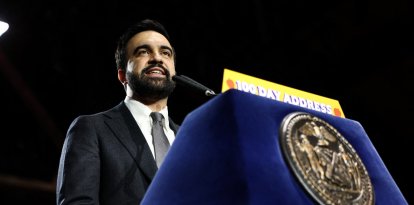
New York City Mayor Zohran Mamdani is leading the lawsuit filed by several cities, including Chicago, San Francisco, Seattle, Santa Clara County, and King County. Attorney General Letitia James is leading another lawsuit, joined by 21 states and the District of Columbia, also filed in the U.S. District Court for the Southern District of New York.
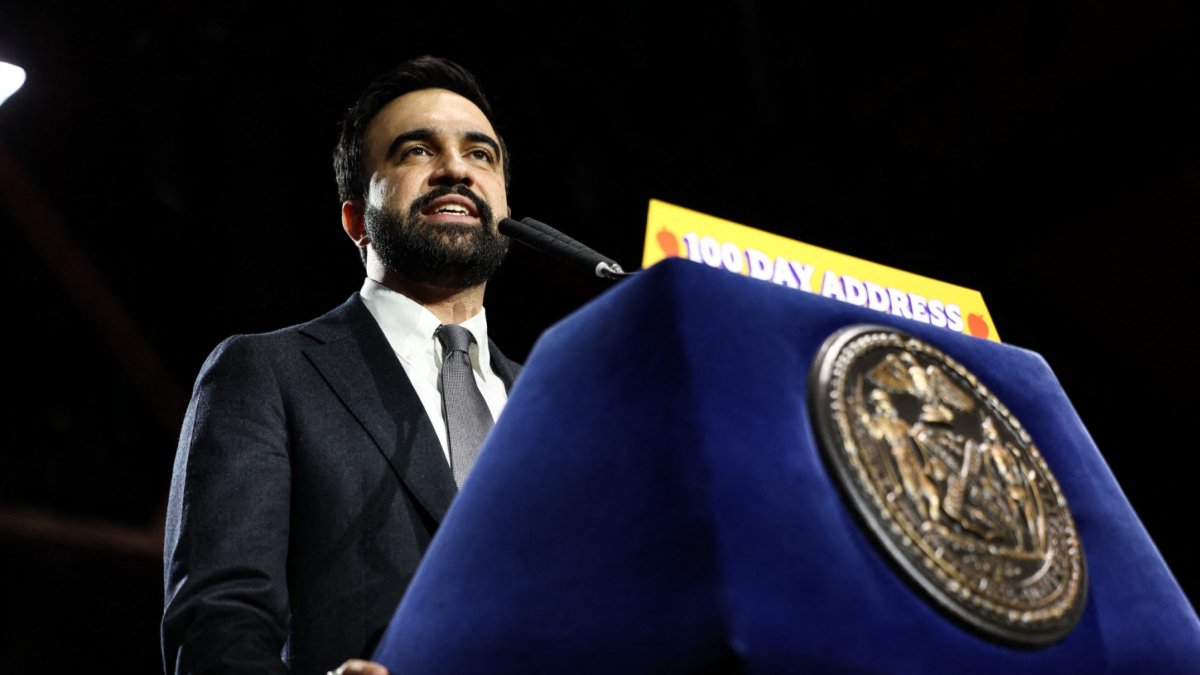
New York City Mayor Zohran Mamdani

New York and a coalition of states and cities asked a federal court on Monday to block the expansion of the Department of Homeland Security's (DHS) "public charge" rule, which is scheduled to take effect this week.
The rule would allow immigration officials to deny visas and green cards if they determine that the applicant—and in some cases, a U.S. citizen family member—uses or is likely to use benefits such as Medicaid, SNAP, housing, or school meals. The administration argues that the rule restores the legal standard that applicants for permanent residence must not be dependent on public assistance.
Politics
PayPal co-founder contribute $40 million to Republican campaign against 'Democratic Socialists'
Williams Perdomo
A disputed definition
There are two sides to this issue. New York City Mayor Zohran Mamdani is leading the lawsuit filed by several cities, including Chicago, San Francisco, Seattle, Santa Clara County, and King County. Attorney General Letitia James leads another lawsuit, with 21 states and the District of Columbia, also before the U.S. District Court for the Southern District of New York.
The plaintiffs argue that DHS is straying from what Congress has historically defined as a "public charge"—that is, primary reliance on cash assistance or long-term institutionalization—and that it now counts temporary or non-cash assistance, including that provided to citizen children.
A potential exodus from Medicaid
At a press conference, Mamdani said the measure does not affect U.S. citizens or those seeking humanitarian protection, such as asylum. "The new public charge rule not only sweeps aside more than a century of established law; it is intentionally vague as a means of creating uncertainty and fear to isolate immigrant New Yorkers."
The socialist added: "Make no mistake, this is an undisguised effort to strip New Yorkers of the services they rely on, the public benefits they are entitled to." According to his estimates, up to 4 million people could be forced to drop their health insurance plans for fear that their immigration status will be jeopardized.
James, in an official statement, criticized the chilling effect: "Hardworking families should not be forced to go without the support they need because they fear asking for assistance will get them deported." The attorney general added: "This rule preys on that fear and counts on families forfeiting the food assistance, health care coverage, and other public benefits to which they are legally entitled."
Updates
Families of 9/11 victims and first responders call Zohran Mamdani's presence at Ground Zero 'disrespectful'
Andrés Ignacio Henríquez
Billions at stake and a 2019 precedent
The lawsuits cite estimates from the federal government itself: the "chilling effect" could cut approximately $4.05 billion per year in Medicaid and CHIP transfers to the states and about $1 billion in SNAP funding. A similar version from 2019, during Trump's first term, was ultimately blocked in court and later reversed in 2022.
The White House did not immediately respond to requests for comment. Barring a court order, the rule takes effect on Friday.
Opinion
Thanks to Mamdani and Piker, the 9/11 anniversary remains especially relevant
Jonathan S. Tobin
LATEST