'We'll take care of it': Trump toughens his rhetoric following reports of Iranian drones in Cuba
The president's remarks come just hours after Washington announced a new package of sanctions against the Cuban regime, furthering a policy that in recent months has sought to increase Havana's economic and political isolation.
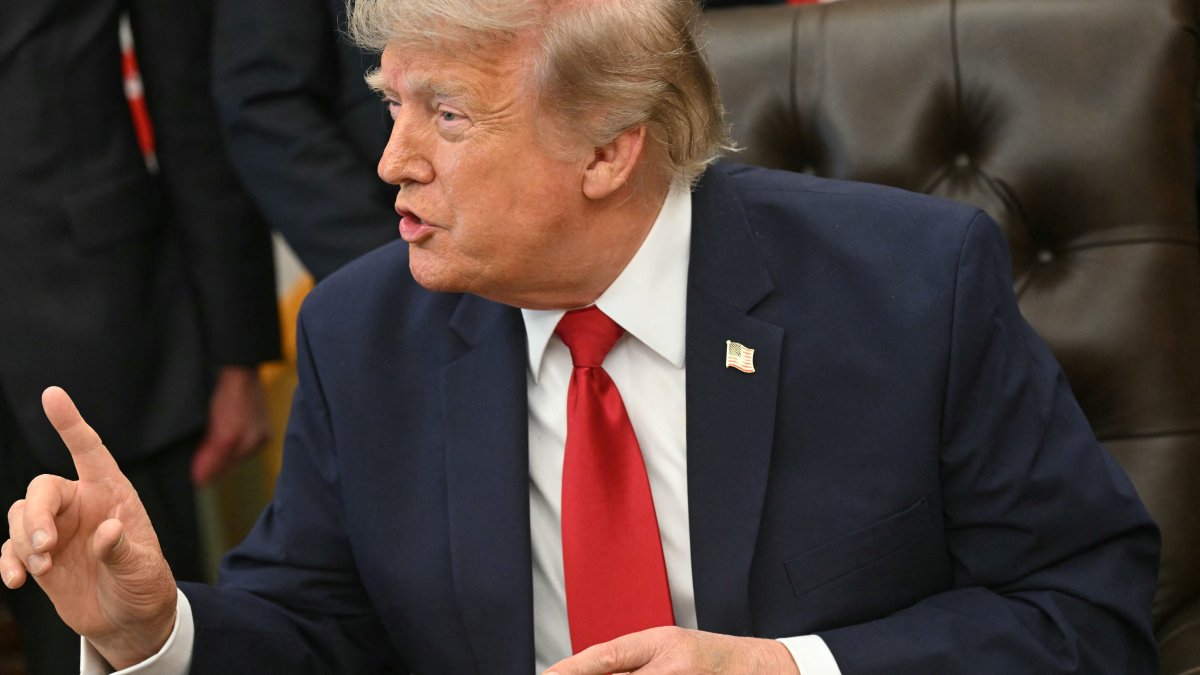
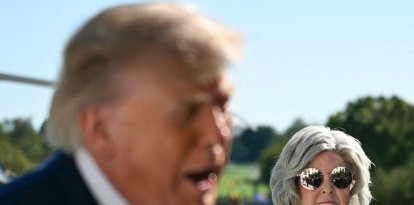
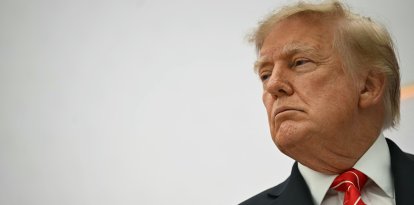
President Trump in the Oval Office on July 13, 2026.

The Trump administration has opened a new front of pressure against the Cuban regime by confirming that it is investigating intelligence reports regarding the alleged stockpiling of drones and, possibly, Iranian missiles in Cuba. Although the president did not present evidence to support this hypothesis, he made it clear that, if confirmed, the United States will respond.
"If they have them, and it's very possible they do, we'll take care of it," Trump said Monday from the Oval Office, when asked by reporters about an alleged intelligence report that has not been made public. In addition to the drones, the president said his administration is also analyzing the possible presence of Iranian missiles on the island.
Trump did not provide photographs, intelligence documents or details about the alleged arsenal.
During his statement, the president also mentioned that Secretary of State Marco Rubio, was in an adjacent room, suggesting that the matter is already a priority for U.S. diplomacy.
">"There are reports about Iranian drones in Cuba..."@POTUS: "Well, if they do have that, and they might very well have that, we'll take care of it... we'll take care of it in short order. We're not going to have a problem. We're not going to allow that to happen." pic.twitter.com/whF0fCOrhF
— Rapid Response 47 (@RapidResponse47) July 13, 2026
So far, the only confirmed fact is that Washington has launched an investigation. There is no public evidence that Iran has deployed weapons in Cuba or that an immediate threat exists. For its part, the Cuban regime has not yet officially responded to Trump's statements.
Politics
'America will never become home for foreign communists': Marco Rubio steps up offensive against ICAP
Diane Hernández
A new chapter in the strategy of maximum pressure against Havana
Trump's statements come just hours after Washington announced a new package of sanctions against the Cuban regime, furthering a policy that in recent months has sought to increase Havana's economic and political isolation.
On Monday, the State Department sanctioned Cuba's Ministry of Tourism and nine other state entities linked to foreign trade, maritime transport, fuel imports and financial services. According to the U.S. administration, these organizations generate resources that ultimately strengthen the regime's repressive apparatus.
The new measures are part of an escalation of actions launched since the beginning of the year, including sanctions against dictator Miguel Díaz-Canel and members of the regime's leadership; additional restrictions on state-owned companies linked to the Cuban military conglomerate; an expansion of the economic embargo; greater restrictions on fuel supplies to the island; and legal proceedings against senior Castro regime leaders, including former President Raúl Castro in connection with the shooting down of Brothers to the Rescue planes in 1996.

Regional security returns to the forefront of the discourse
In recent months, the Trump administration has hardened its narrative on Cuba, arguing that the regime poses a threat to hemispheric security due to its ties to governments hostile to the United States and its alleged cooperation with actors such as Russia, China and Iran.
Monday's statements raise the stakes of that strategy by introducing, for the first time, the possibility that Iranian weapons could be stored just over 93 miles from the U.S. coast.
A scenario that remains unconfirmed
For now, the investigation continues, and there is no public evidence to confirm the presence of Iranian drones or missiles in Cuba.
However, Trump's remarks reflect that the White House is prepared to respond to any indication that calls the country's security into question.
If these suspicions are confirmed, the episode could usher in a new phase of tension in relations between Washington and Havana, at a time when economic sanctions have already reached one of their highest levels since Donald Trump returned to the presidency.
LATEST