






ANALYSIS
SCOTUS strips away limit on coordinated campaign spending between political parties and candidates
In his opinion, Brett Kavanaugh stated that restrictions on campaign spending constituted a “severe infringement on First Amendment-protected political speech.”
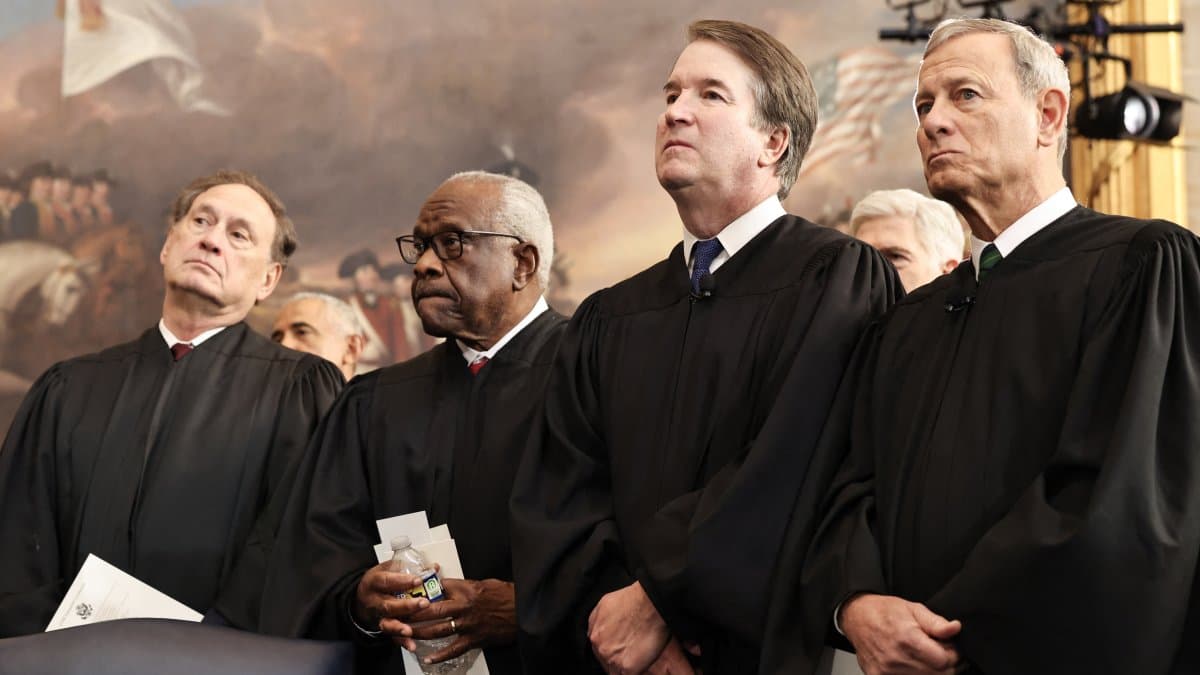

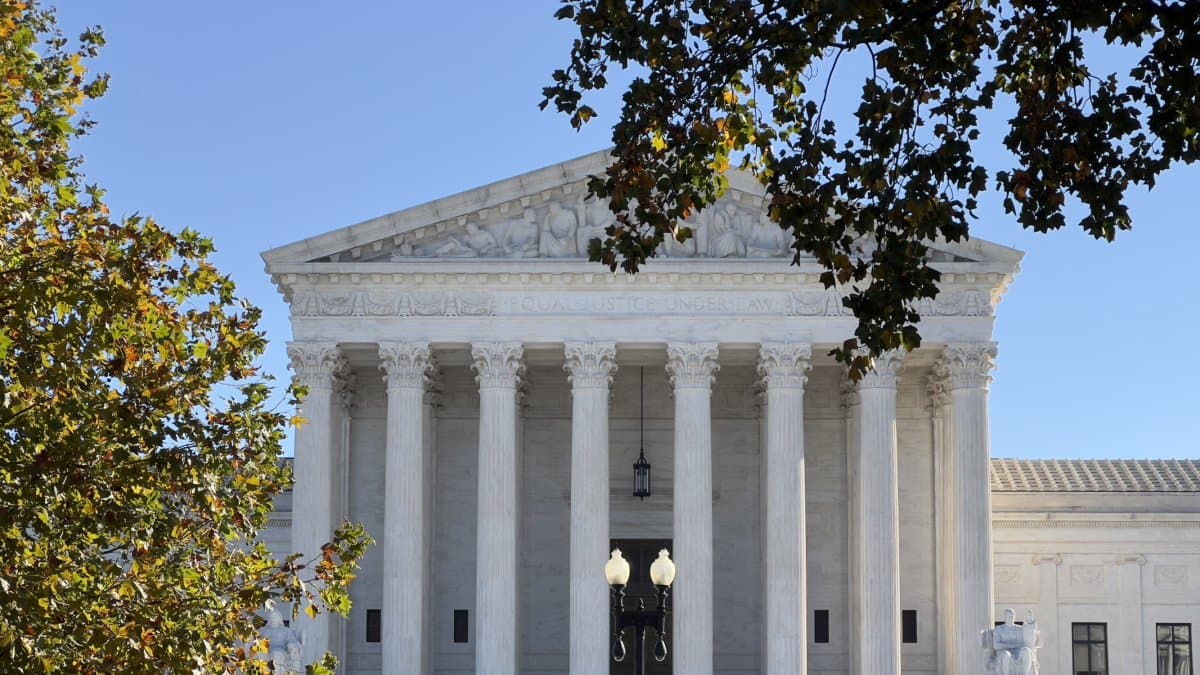
The Supreme Court (SCOTUS) lifted on Tuesday the restrictions on the amount of money that political parties can spend in coordination with individual candidates, in a decision that could have a significant impact on the November midterms.
In a 6-3 split decision, the conservative-majority court ruled that these limits violate the First Amendment of the Constitution, which protects freedom of speech.
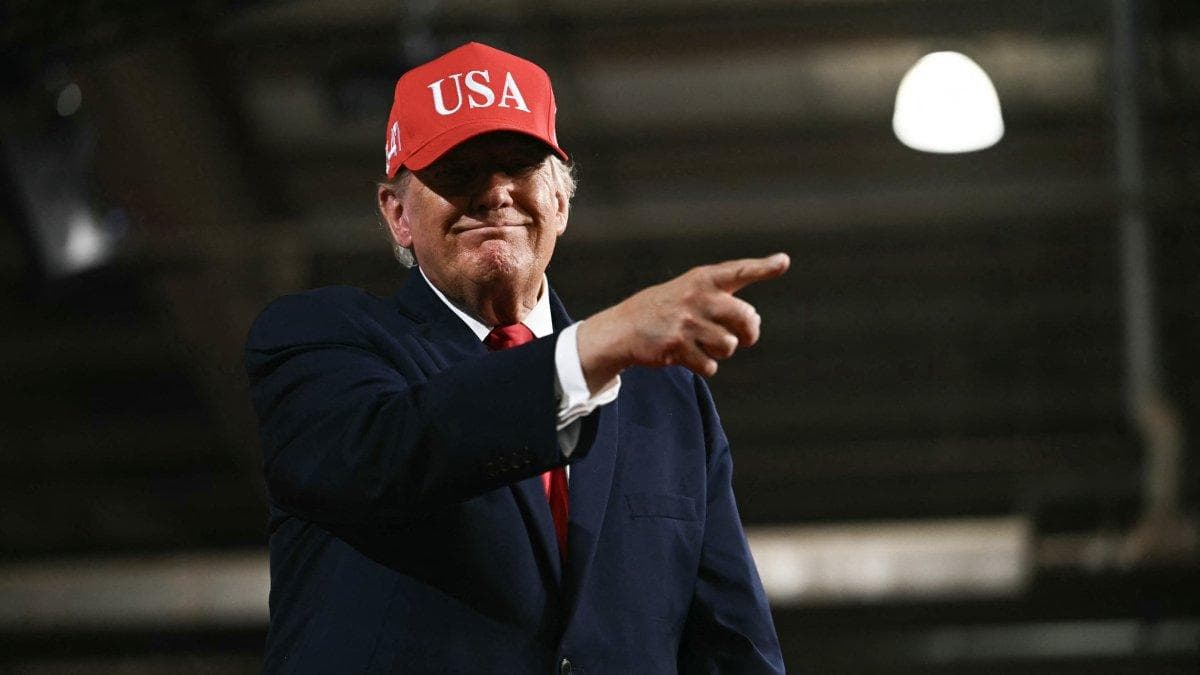
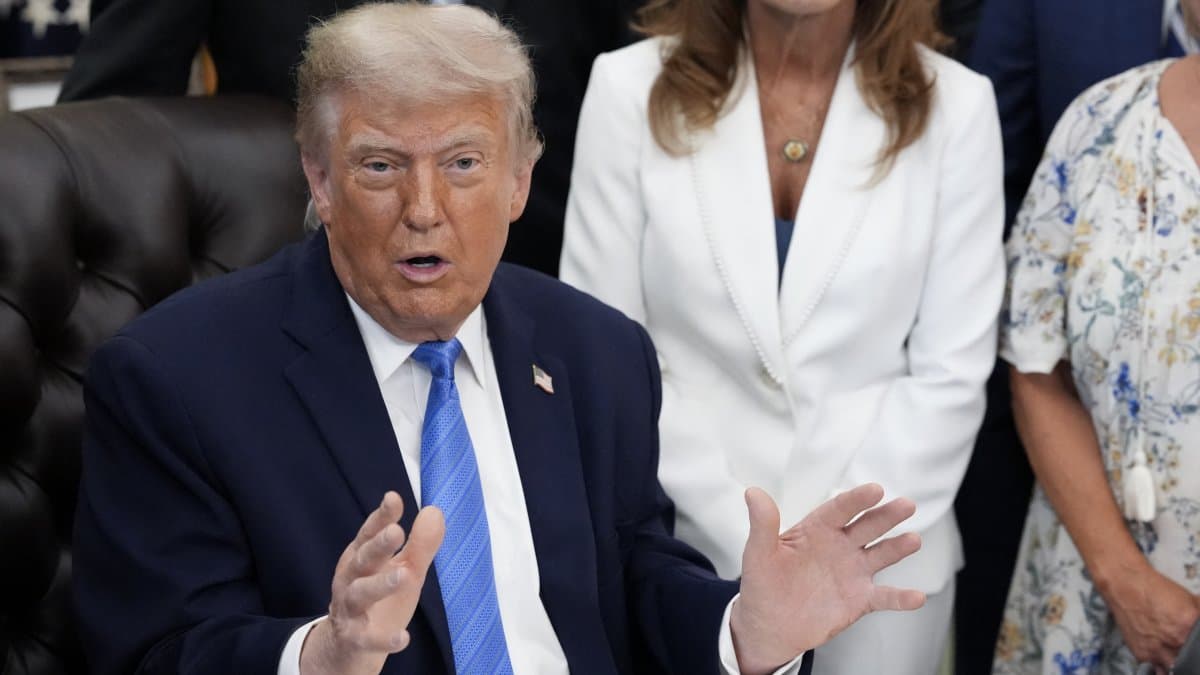
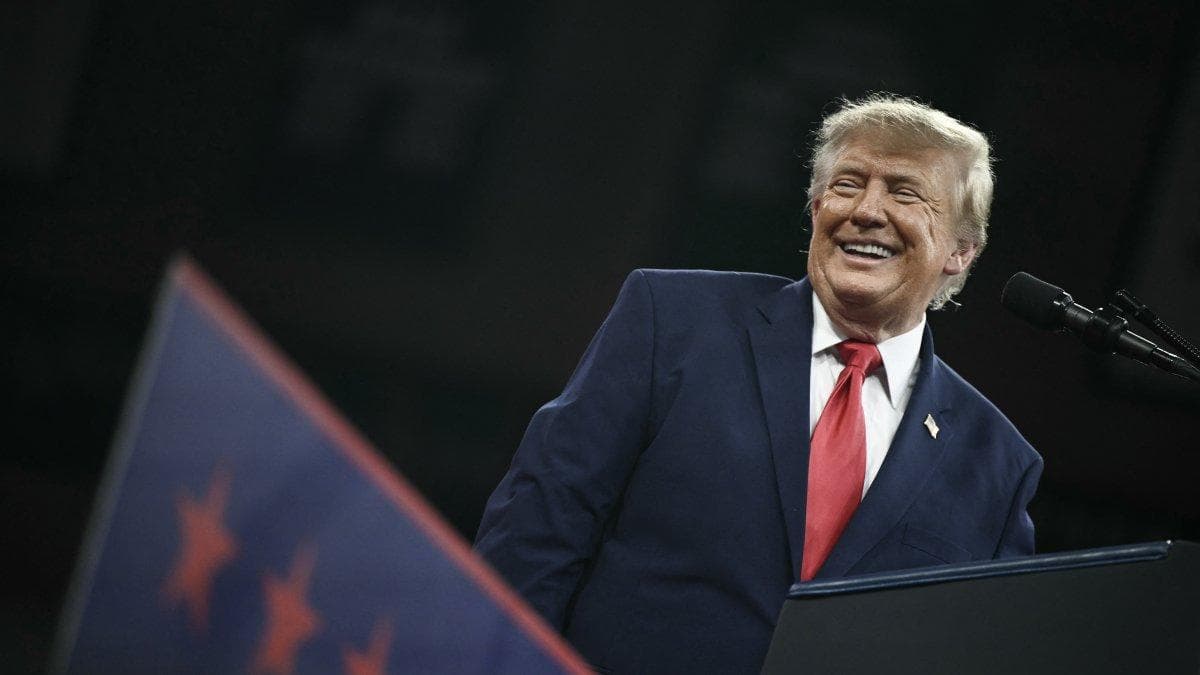
The case was brought forward by the Republican Party. Following the ruling, President Donald Trump celebrated the decision on his social media platform Truth Social. "The Supreme Court just took restrictions off political spending! A big win for Republicans and, more importantly, The First Amendment!," the president wrote.
"The same rules" for all parties
The majority opinion was written by Justice Brett Kavanaugh and supported by the six conservative justices, including the three nominated by Trump during his first term. The three liberal justices voted against it.

In his opinion, Kavanaugh stated that restrictions on campaign spending constituted a "severe infringement on First Amendment-protected political speech."
"Whether the Democratic party, the Republican party, or other parties, all political parties and candidates going forward can compete equally under the same rules regarding coordinated expenditures," Kavanaugh stated.
End of political spending limits
This ruling expands on the precedent set in 2010 by the Citizens United case, which had already eliminated restrictions on spending by corporations and outside groups. Now, political parties will have greater freedom to coordinate spending on advertising and direct support for their candidates.
Supporters of the measure argue that it strengthens political free speech. However, its critics, such as Senate Democratic Leader Chuck Schumer, warned that the decision opens the door to greater influence from money from large donors and interest groups, turning elections into an “arms race” of unlimited spending.
Among those who championed the case is Vice President JD Vance, who is now seen as a potential contender for the Republican presidential nomination in 2028.
🛠 Do you think there is an error in this article?
Recommendations



LATEST