Warning issued over surge in drug use in Cuba: Over 200% increase in last five years
A toxicology expert warned that the highest levels of use are concentrated among people aged 14 to 25 and acknowledged weaknesses in the prevention strategy. An independent report also warned of the rise in drug-related crimes on the island.
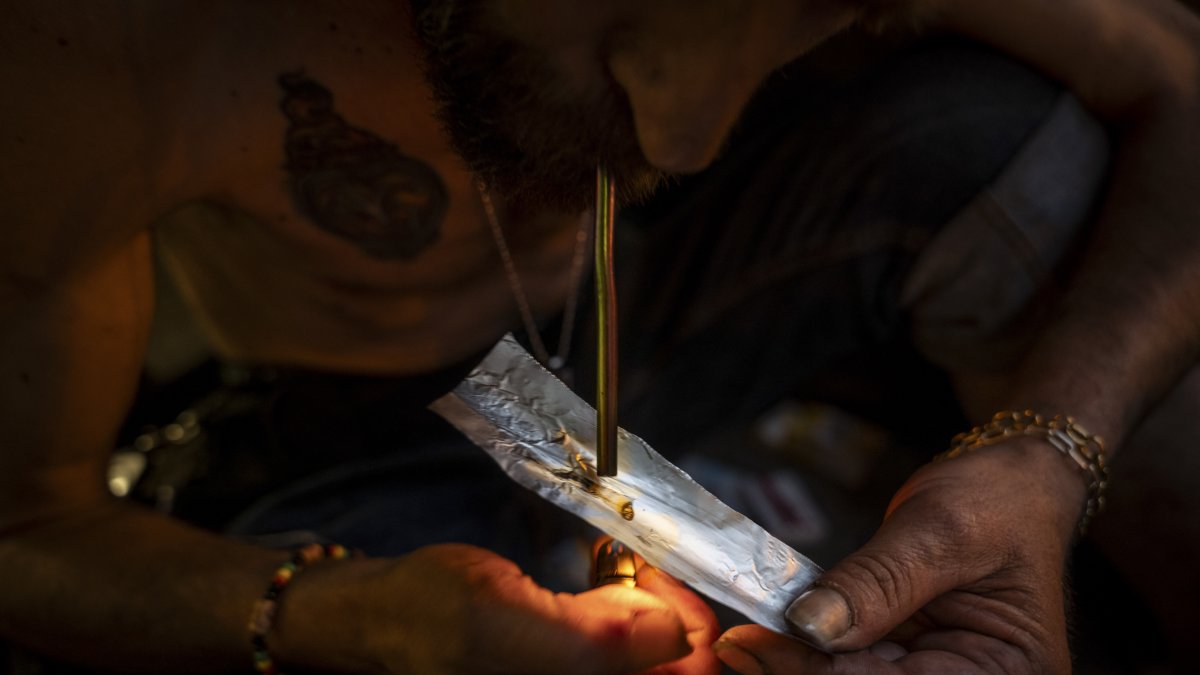
Person using synthetic drugs (File photo)

Drug use in Cuba has increased by more than 200% compared to the pre-pandemic period, according to data presented by toxicology specialist Alejandro Mestre Barroso during the inauguration of the Las Tunas Provincial Drug Observatory, the first of its kind in the country.
During the conference, Mestre Barroso stated that the increase in consumption has been “dramatic” since the pandemic and revealed that, in 2024, the National Toxicology Center treated 600 cases, of which more than 90% were related to synthetic drugs.
"That’s just the tip of the iceberg," warned the specialist, noting that official figures reflect only a part of the phenomenon.
Young people most affected
According to data presented by the toxicologist, the group with the highest rate of drug use is concentrated among those aged 14 to 25, although cases have also been documented of minors who began using drugs as early as age 8.
The specialist also indicated that, while men continue to be the predominant group among users, there has been a steady increase among women, including a rise in the number of pregnant women with addiction problems.
Another finding presented during the conference challenges one of the most widespread stereotypes about drug use. Mestre Barroso noted that nearly 50% of the families of the patients studied were considered functional, with defined family norms and parents who had a college education, demonstrating that the problem extends beyond contexts traditionally associated with marginalization.

Criticism of the prevention system
During his presentation, the specialist also acknowledged limitations in the functioning of the National Drug Observatory, created in 2025 under the regime’s Ministry of Justice with funding from the European Union.
In his view, the agency’s main weakness is the lack of a regional network that would allow for direct monitoring of the phenomenon within communities.
"It lacks a network at the local level, which is where the problem lies," stated Mestre Barroso, who advocated for the creation of provincial observatories precisely to bring epidemiological surveillance and prevention closer to the local communities.
More attempts to smuggle drugs into the country
Last week, authorities at José Martí International Airport detected a passenger who had ingested 25 capsules containing an undeclared substance. The case marked the second foiled narcotics operation in just two days at the country’s main airport.
A phenomenon also reflected in crime date
The rise in consumption is also reflected in independent studies on public safety.
The most recent report from the Cuban Observatory for Citizen Audit (OCAC), prepared by the think tank Cuba Siglo 21, identified an rapid increase in drug-related crimes during 2025.
According to that report, 437 incidents linked to the production, sale and consumption of narcotics were documented, establishing this as one of the fastest-growing types of crime in the country.

Society
Mexico hands over Zhi Dong Zhang, Chinese fentanyl kingpin arrested in Cuba, to US
Williams Perdomo
The report also points to a greater presence of synthetic substances, popularly known as “químico” ("chemical"), alongside marijuana, cocaine and other narcotics, which indicates a territorial expansion of the phenomenon and a growing impact among young people and vulnerable populations.
Experts and recent reports agree that the rise in drug use constitutes one of the main social challenges currently facing Cuba, in a context marked by economic decline, rising crime and the difficulties institutions face in preventing and containing the phenomenon.
LATEST