ANALYSIS
Todd Blanche defends subpoenas of journalists in Iran war leaks investigations
In a post on X Wednesday, Blanche wrote: "Prosecuting leakers who share our nation’s secrets with reporters, in turn risking our national security and the lives of our soldiers, is a priority for this administration."
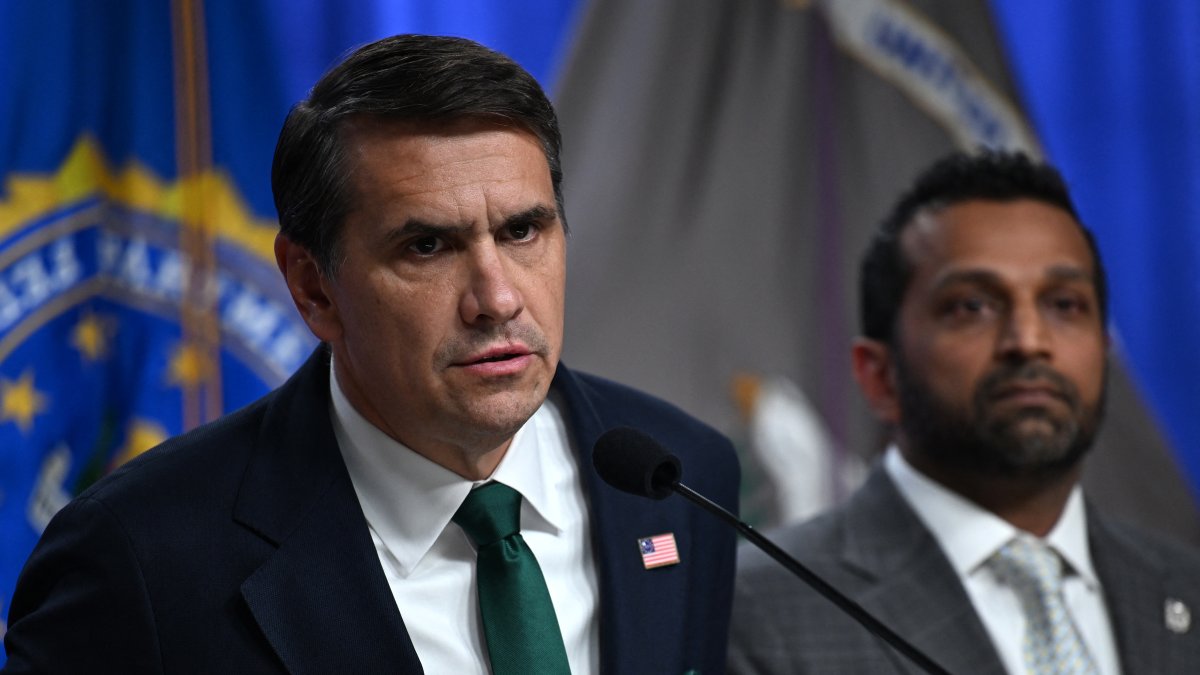
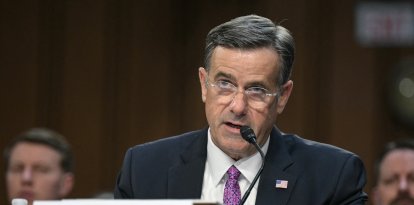
Todd Blanche, acting attorney general

Acting Attorney General Todd Blanche came out in defense of the Department of Justice's (DoJ) decision to issue subpoenas to journalists as part of investigations into leaks of classified information.
In a post on X Wednesday, Blanche wrote: "Prosecuting leakers who share our nation’s secrets with reporters, in turn risking our national security and the lives of our soldiers, is a priority for this administration."

Politics
Trump will ask Xi Jinping for greater openness for US business giants in China
Luis Francisco Orozco
"Any witness, whether a reporter or otherwise, who has information about these criminals should not be surprised if they receive a subpoena about the illegal leaking of classified material," he added.
On Monday The Wall Street Journal (WSJ) reported that it had received subpoenas from a grand jury to obtain its reporters' files. The media outlet also indicated that the DoJ launched a strong offensive against leaks to the media after President Trump complained directly to Todd Blanche about the published information about the war in Iran.
"Practically a betrayal": Trump lashes out at the press over the war in Iran
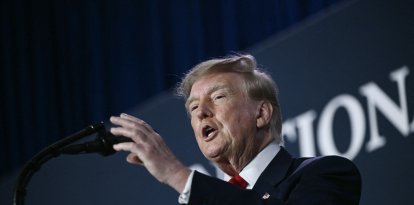
This Tuesday, President Trump harshly criticized the way the media is covering the conflict with Iran in a message posted on Truth Social, without singling out any specific media outlet.
"When the fake news says that the Iranian enemy is doing well, militarily, against us, it's virtual treason in that it is such a false, and even preposterous, statement," the president wrote.

"They are aiding and abetting the enemy! All it does is give Iran false hope when none should exist," he said. "These are American cowards that are rooting against our Country."
Earlier in April, during a press conference, President Trump publicly threatened to jail journalists if they did not reveal their sources on leaks related to a U.S. pilot shot down in Iran.
"We’re going to go to the media company that released it and we’re going to say, 'National security, give it up or go to jail.'"
DoJ returns to aggressive policy against leaks and media
During the Biden Administration, under Attorney General Merrick Garland, the department had imposed very strict rules: practically prohibited the use of subpoenas, raids or requests for phone records and e-mails to reporters. Only in exceptional cases and with direct approval from the attorney general could it proceed.
With the Bondi decision, the DoJ returned to a more aggressive posture, again permitting the use of subpoenas and other legal tools against journalists when investigating leaks that compromise national security.
LATEST