Trump rejects China's mediation on Iran and focuses his discussions with Xi Jinping on trade issues
Trump's comments come amid continued scrutiny over Iran's role in regional instability and speculation over whether major world powers, including China, could weigh in on the issue.
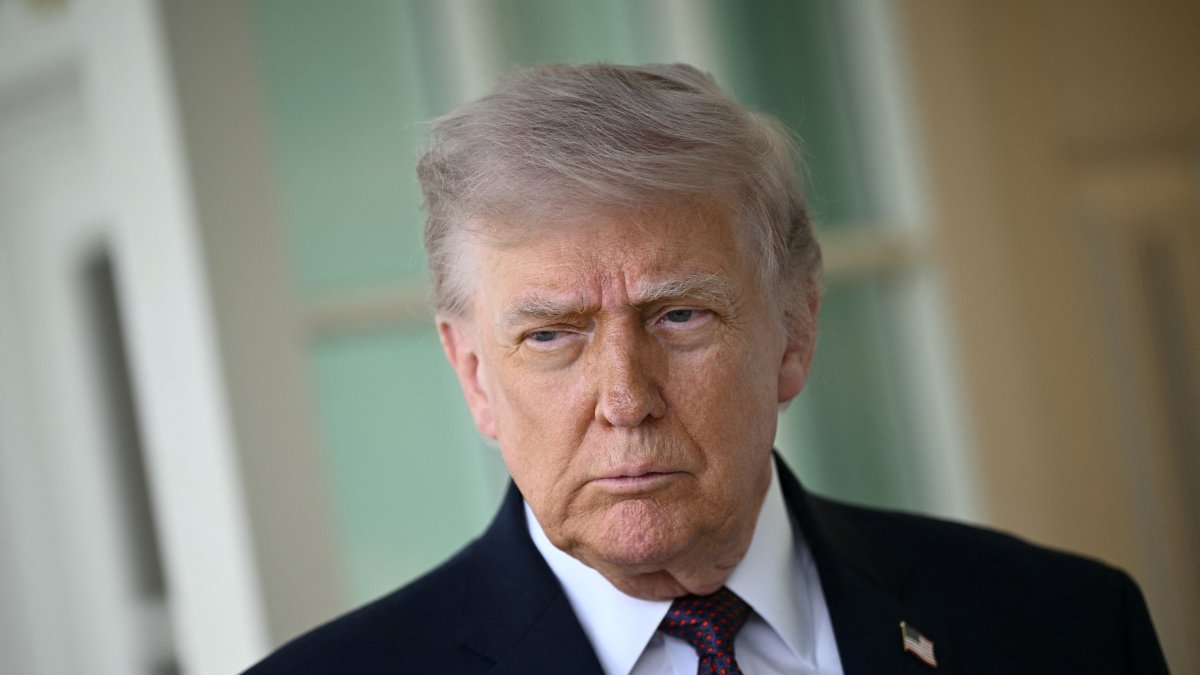
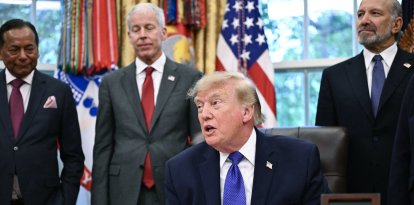
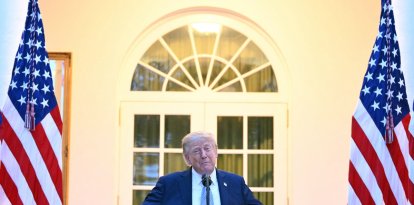
Donald Trump at the White House/ Brendan Smialowski
President Donald Trump said on Tuesday he saw no need for China's communist regime to intervene in Iran-related matters, dismissing suggestions that Beijing could play a significant role in negotiations currently taking place between Washington and Tehran. "I don't think he does, no," Trump said when asked whether Chinese President Xi Jinping should get involved. The Republican leader made the remarks while speaking to reporters before leaving the White House, where he was asked about the conflict in Iran.
Trump's comments come amid continued scrutiny over Iran's role in regional instability and speculation about whether major world powers, including China, could weigh in on the issue. When asked whether China might provide any help, Trump replied, "Well, I don't think we need any help with Iran and we'll win it one way or the other. We'll win it peacefully or otherwise." Likewise, the conservative leader asserted that trade will dominate his upcoming talks with Xi during his planned trip to China, asserting, "We're gonna be talking with President Xi about a lot of different things. I would say more than anything else will be trade."

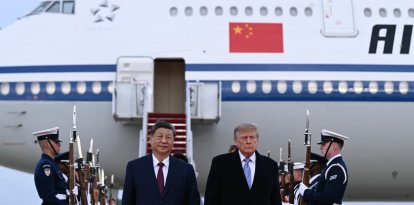
When asked about the agenda for the meeting with Xi, Trump said the two had a great relationship and downplayed Iran, indicating it would not be a central topic of discussion. "I have a great relationship with President Xi, and I think it's going to remain that way," he said, adding that the two leaders have "a lot of things to discuss."
The meeting comes as Washington and Beijing continue to clash over various issues, chief among them trade-related matters and the situation in Taiwan, making the talks a key opportunity to address long-standing disagreements and potentially reduce friction between the world's top two economies.
LATEST