Senate moves forward with Kevin Warsh's nomination, paving the way for him to chair the Fed before Powell's term expires
The procedural vote, which required only a simple majority, ended 49-44. Just two Democrats, John Fetterman of Pennsylvania and Chris Coons of Delaware, joined Republicans in advancing the nomination.
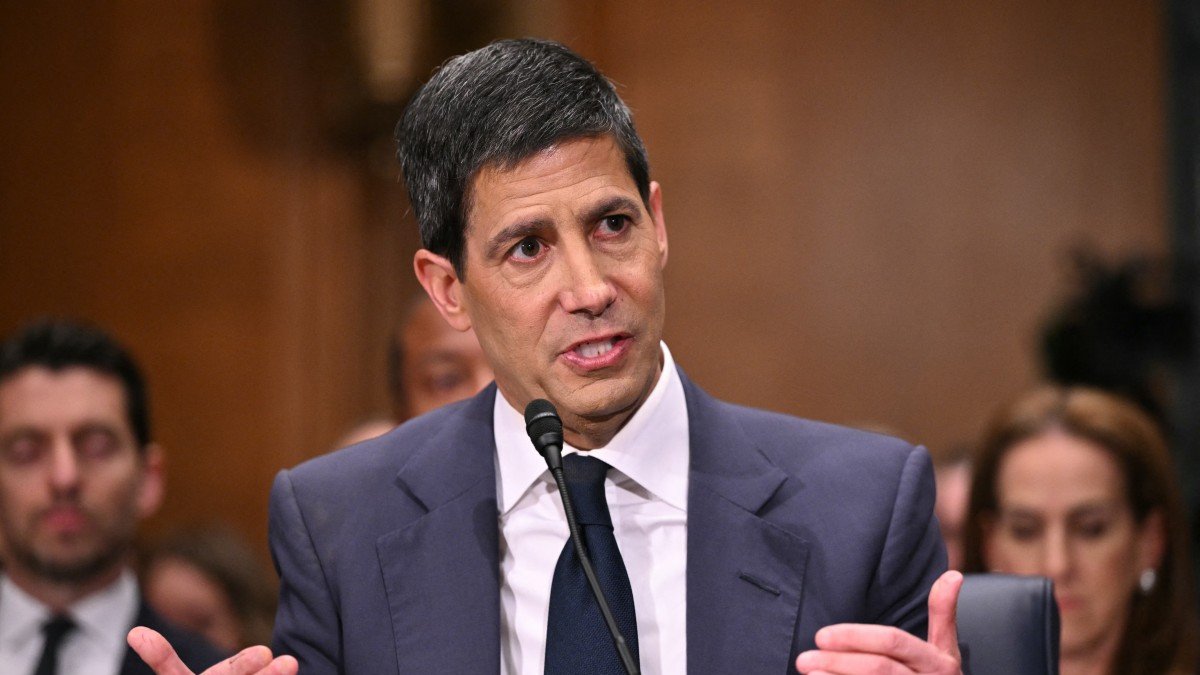
Kevin Warsh, nominee to chair the Federal Reserve, testifies during a hearing

The Senate on Monday advanced the nomination of Kevin Warsh as a member of the Federal Reserve Board of Governors, a key step in the Republican maneuver to have him confirmed as chairman of the nation's central bank before Jerome Powell leaves office this Friday.
The procedural vote, which required only a simple majority, ended 49 to 44. Just two Democrats, John Fetterman of Pennsylvania and Chris Coons of Delaware, joined Republicans in advancing with the nomination. The figure contrasts with the bipartisan backing Powell received in 2014, when the vote to add him to the board for fourteen years passed 58 to 36.
According to Politico, the calendar for the week in the upper chamber is loaded. According to a source privy to the process who requested anonymity cited by the media outlet, there will be two votes on Tuesday. First, the confirmation of Warsh as Fed governor and, subsequently, the first procedural vote to install him as chairman. The final confirmation at the helm is scheduled for Wednesday, two days before Powell's term expires.
The nomination had remained stuck in the Senate Banking Committee. It made it through after Sen. Thom Tillis (R-North Carolina) reversed his position and the Justice Department shelved the investigation targeting Powell for alleged inaccuracies before Congress about the costs of renovating the Fed's headquarters. Tillis, who will not seek re-election, had the vote that broke the deadlock in the committee, where Warsh passed without Democratic support, something predictable given the political climate but unusual in this type of vote for the Fed.

Economy
Despite pressure, Trump's nominee to head the Fed pledges independence before the Senate
Joaquín Núñez
Politics
Powell defies Trump: announces he will stay on as Fed governor despite his term as chairman expiring on May 15
Emmanuel Alejandro Rondón
Warsh will not be a new face at the Fed. In 2008 he was serving as governor during the financial crisis. In recent months he pushed for his nomination by showing support for cutting interest rates, though without formally committing himself. During his nomination hearing, he sought to allay suspicions about pressure from The White House: “The president never once asked me to commit to any particular interest rate decision, period,” he said, adding, “Nor would I agree to do so if he had.”
Reservations on the Democratic bench, however, remain. Chief among them is that Warsh will fail to shield the Fed from the influence of Trump, who has waged open warfare with Powell in recent months over the rate issue. This concern explains much of the partisan support the nomination received in the upper chamber.
Along with Warsh's nomination, it remains to be seen what Powell will do with his seat on the board, which expires only in January 2028. The Fed chairman himself added that he does not plan to leave until the investigation into the building renovation is, in his words, wrapped up, a decision that goes against the tradition of the chairman leaving his seat on the board at the end of his term.
LATEST