The federal trial against Nicolás Maduro in New York is postponed until June 30
The decision followed a joint request filed by the defense and the prosecution, in which both parties agreed to reschedule the hearing and suspend the procedural deadlines established by the Speedy Trial Act.
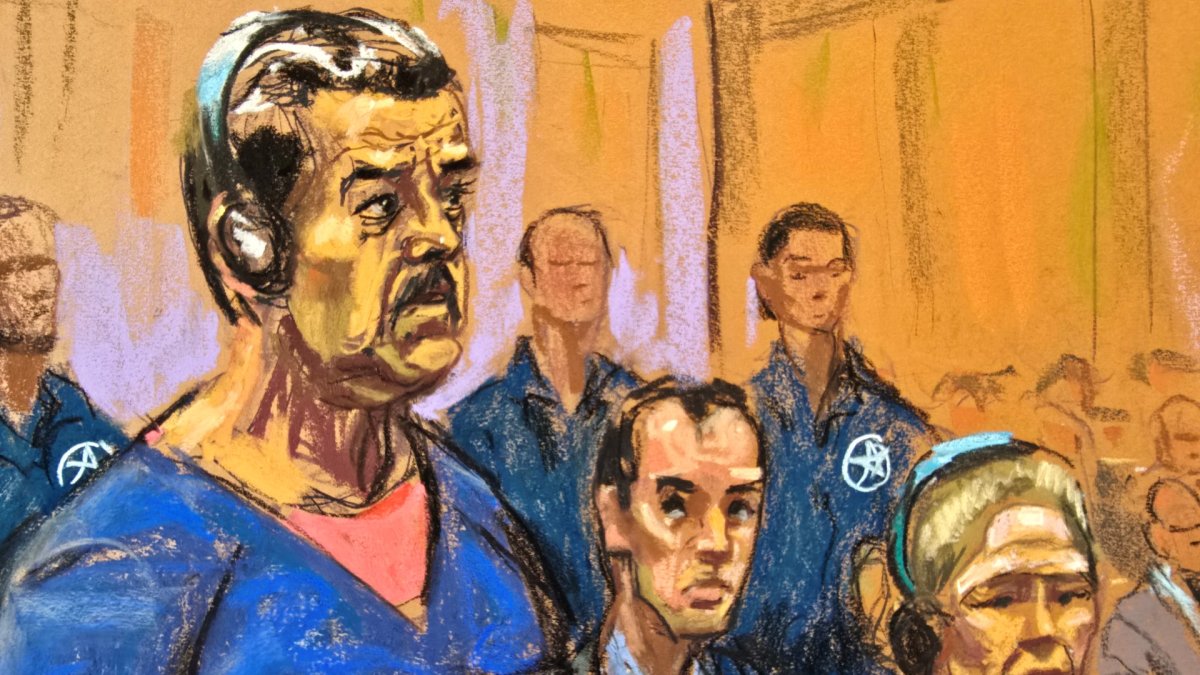
Image of a hearing of Maduro and Flores in New York.

The judicial process against the former Venezuelan dictator Nicolas Maduro and his wife, Cilia Flores added a new delay on Monday after U.S. District Judge Alvin Hellerstein set a third hearing for June 30 in the Southern District of New York.
The decision followed a joint request filed by the defense and the prosecution, in which both parties agreed to reschedule the hearing and suspend the procedural deadlines established by the Speedy Trial Act. This federal regulation sets a limit of 70 days to initiate a trial from the formal accusation, but the exclusion of this period will allow extending the process beyond that margin.
Maduro and Flores have remained in custody at a detention facility in Brooklyn since their capture in Caracas on January 3, 2026. Both pleaded "not guilty" during their first appearance, held on January 6.
Fees, the dispute and Venezuelan funds
In parallel, Judge Hellerstein accepted the dismissal—without prejudice—of motions filed by the defense to delete the charges. These legal actions argued that the U.S. sanctions prevented the defendants from funding their legal representation. However, that obstacle was resolved after the Office of Foreign Assets Control (OFAC) authorized a waiver that allows covering the attorneys' fees with Venezuelan funds.
Maduro faces four federal charges, including conspiracy to commit narcoterrorism, conspiracy to import cocaine into the United States and crimes related to the use of weapons of war. For her part, Flores is charged with conspiracy to traffic drugs and possession of weapons.
The case dates back to March 2020, when US prosecutors formally accused the chavista of leading the so-called Cartel of the Suns, a drug trafficking network allegedly made up of high-ranking Venezuelan military officials and linked to the Colombian guerrillas. According to the accusation, this structure would have facilitated the shipment of large quantities of cocaine to U.S. territory for years.
The capture and the position of the allied socialists
The trial, considered one of the most relevant in matters of international narcotics trafficking in recent years, is being held under supervision of Hellerstein, a magistrate with an extensive career who now faces a case without recent precedent in the U.S. federal judiciary.
LATEST