ANALYSIS
Culture war: Colorado suffers another Supreme Court setback for its anti-First Amendment policies
The high court concluded that the state law enacted in 2019 by Democratic Gov. Jared Polis, which bans so-called "conversion therapies" for LGBT+ minors, infringes on free speech by restricting the ability to express contrary views.
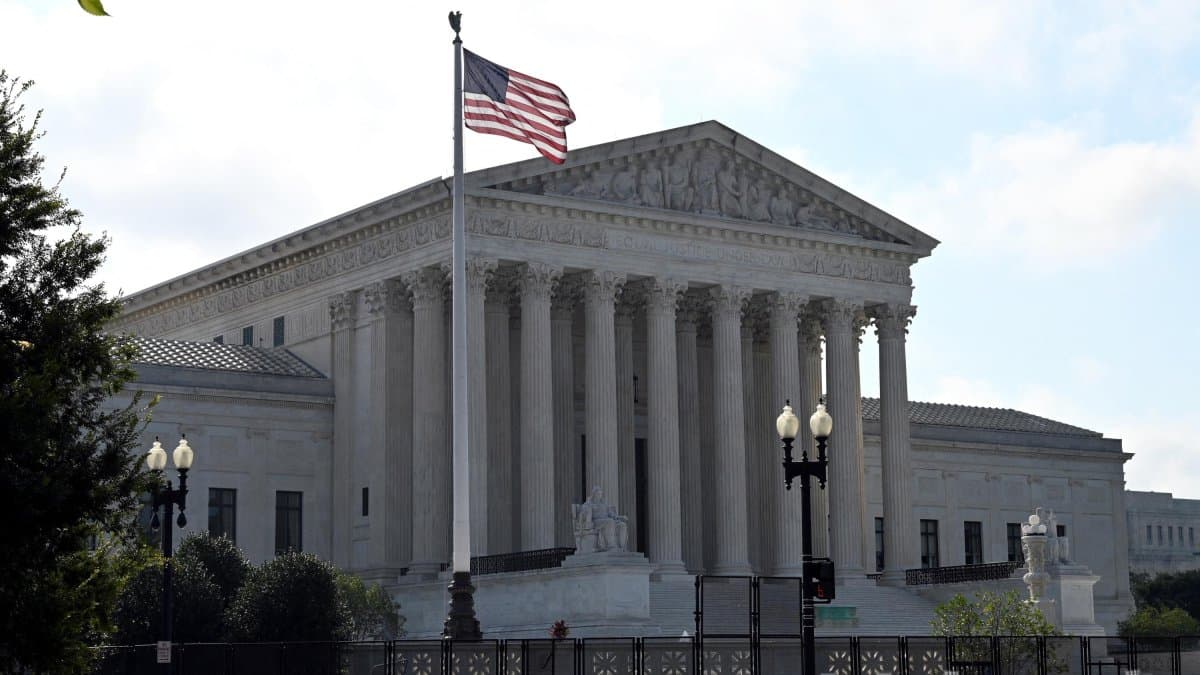

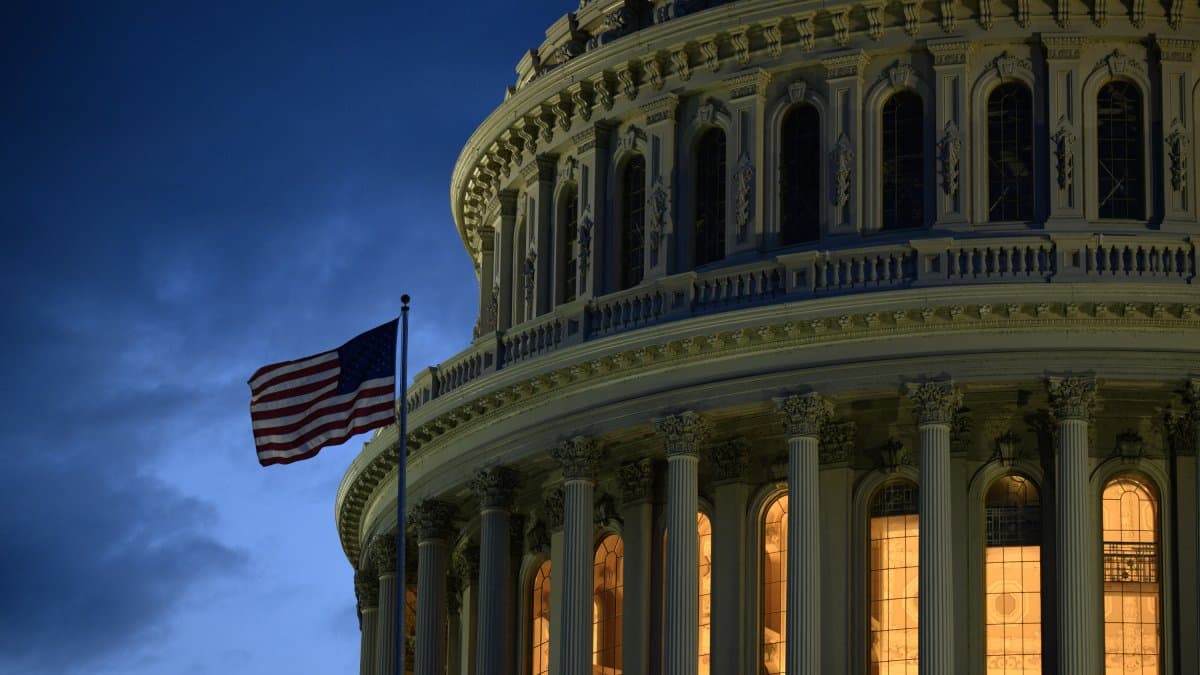
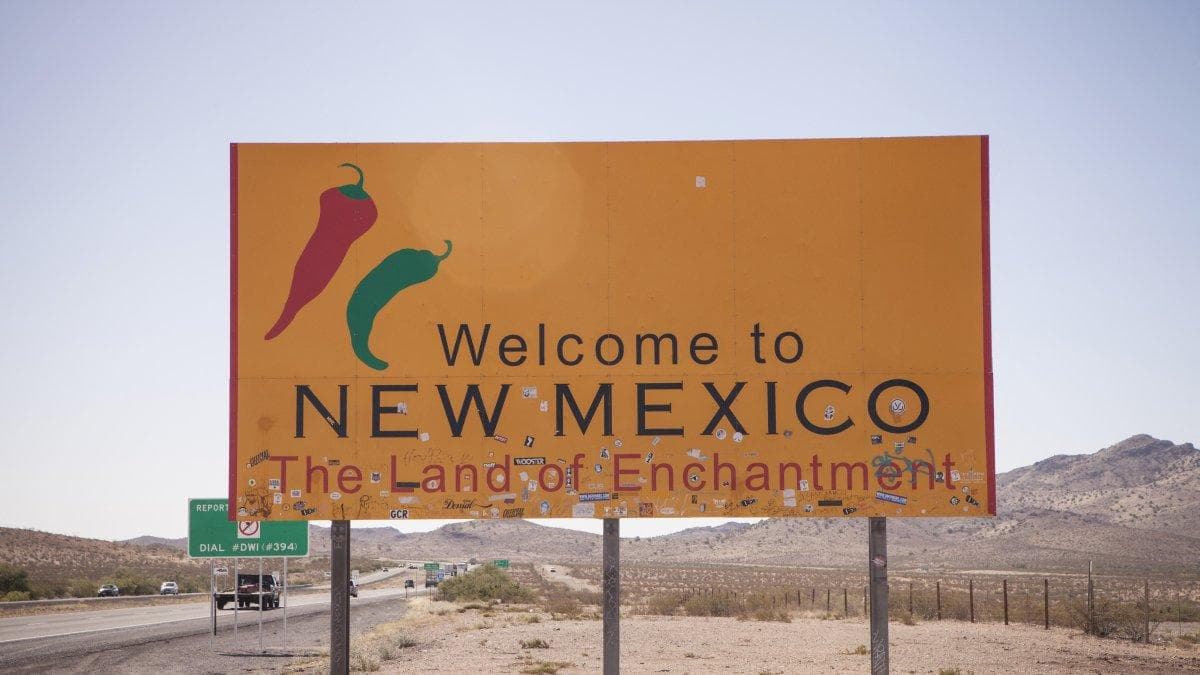
The Supreme Court has again put the brakes on Colorado in a case involving free speech and gender identity and sexual orientation policies.
In a decision last week, the justices ruled in favor of Kaley Chiles, a Christian-oriented licensed counselor in Colorado Springs who argued that such a law imposed restrictions on her therapy when she sought to prevent minors from assuming they were transgender or gay.
The plaintiff contended that the rule violated the First Amendment to the Constitution, which protects free speech.
It is the third time in recent years that the court rebuked the state in a key culture war dispute, cementing a trend of adverse rulings on issues of speech, religion and anti-discrimination rules.
Law's application to therapy unconstitutional
The high court concluded that the state law enacted in 2019 by Democratic Gov. Jared Polis, which bans so-called "conversion therapies" for LGBT+ minors, violates freedom of speech by restricting the ability to express contrary opinions.
By a 8-1 majority, the court agreed with Chiles, who challenged this state regulation, considering that the text restricted her from expressing her position on the subject.
The only dissenting voice was that of progressive Justice Ketanji Brown Jackson, who criticized her colleagues, say the ruling "opens a dangerous can of worms," and endangers the country’s "long and successful tradition of high-quality medical care."
Conservative Justice Neil Gorsuch argued, "Colorado's law addressing conversion therapy does not just ban physical interventions. In cases like this, it censors speech based on viewpoint."
"The First Amendment stands as a bulwark against any effort to prescribe an orthodoxy of views, reflecting a belief that each American enjoys an inalienable right to speak his mind and a faith in the free marketplace of ideas as the best means for finding truth," he concluded.
Kaley Chiles' attorney, James Campbell of the conservative group Alliance Defending Freedom (ADF), celebrated "a significant win for free speech, common sense, and families desperate to help their children."
A history of attacks on free speech
Colorado has been at the center of several attempts to force business owners to create products or services that celebrate same-sex marriages, even when it goes against their personal or religious convictions.
2018 saw the Masterpiece Cakeshop case, in which pastry chef Jack Phillips refused to make a custom cake for a same-sex wedding on faith-based grounds. Although the state insisted on charging him, The Supreme Court ruled in his favor, noting the hostility shown by the Colorado Civil Rights Commission toward his religious beliefs.
Even after losing the first round against Phillips, state authorities continued to pursue him with new lawsuits for years.
Then, in 2023, the 303 Creative case arose, involving a Christian web designer who did not want to create same-sex wedding pages. The high court again protected her right not to be compelled to express messages with which she disagreed.
Colorado’s legal clash over case linked to Trump
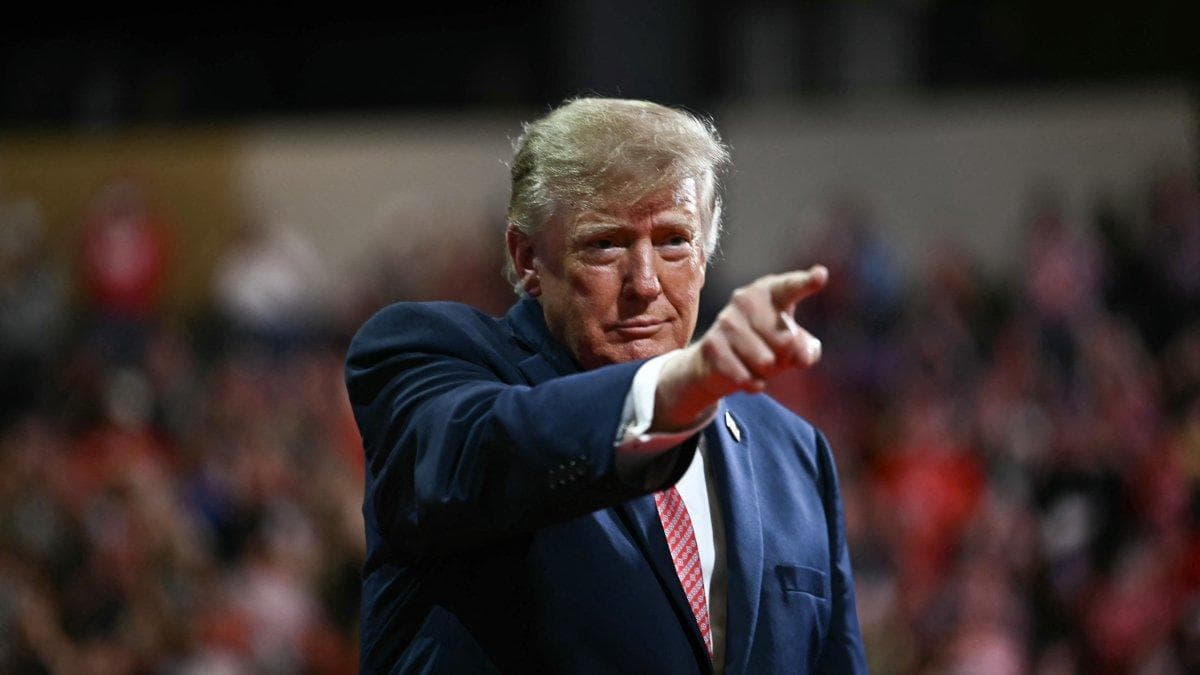
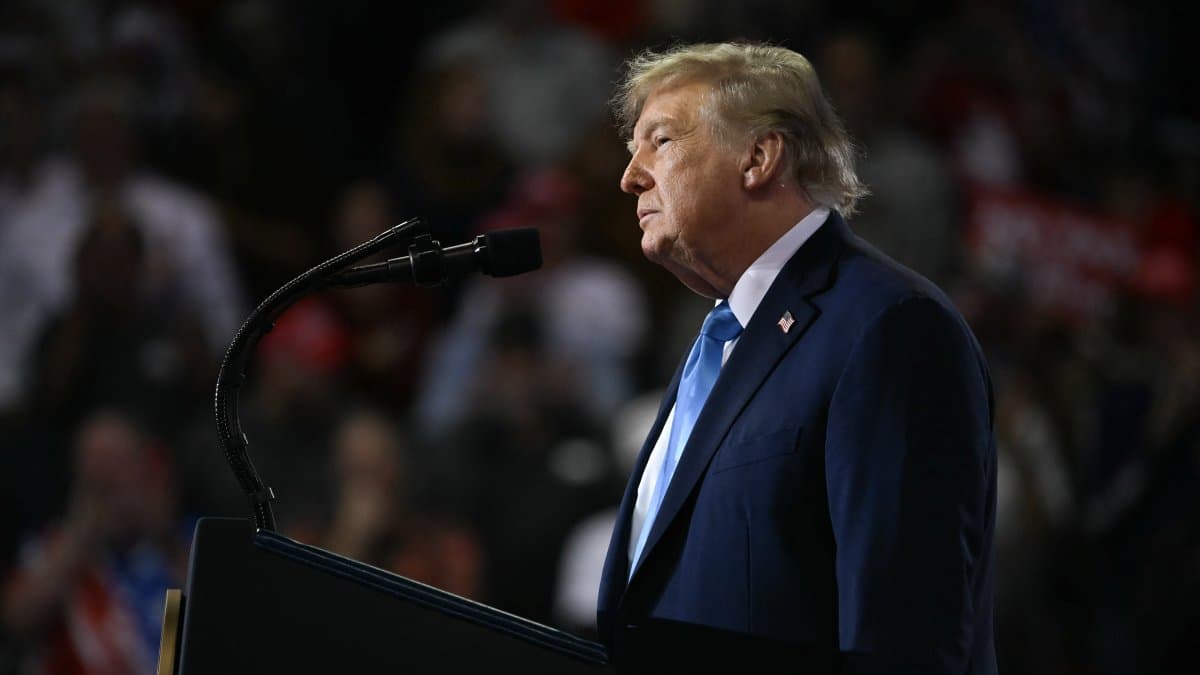
One of the most notorious cases occurred in the last presidential election, when the state tried to exclude Donald Trump from the electoral primary.
This initiative had the backing of a majority of the justices of the state's Democratic-controlled Supreme Court. However, the U.S. Supreme Court unanimously reversed that decision, declaring it unconstitutional. Even justices considered progressive did not rule in favor.
🛠 Do you think there is an error in this article?
Recommendations



LATEST