Trump: War with Iran 'pretty much complete'
According to CBS News' Weijia Jiang, the White House believes it is "way ahead" of its four- to five-week timeline they had initially estimated.
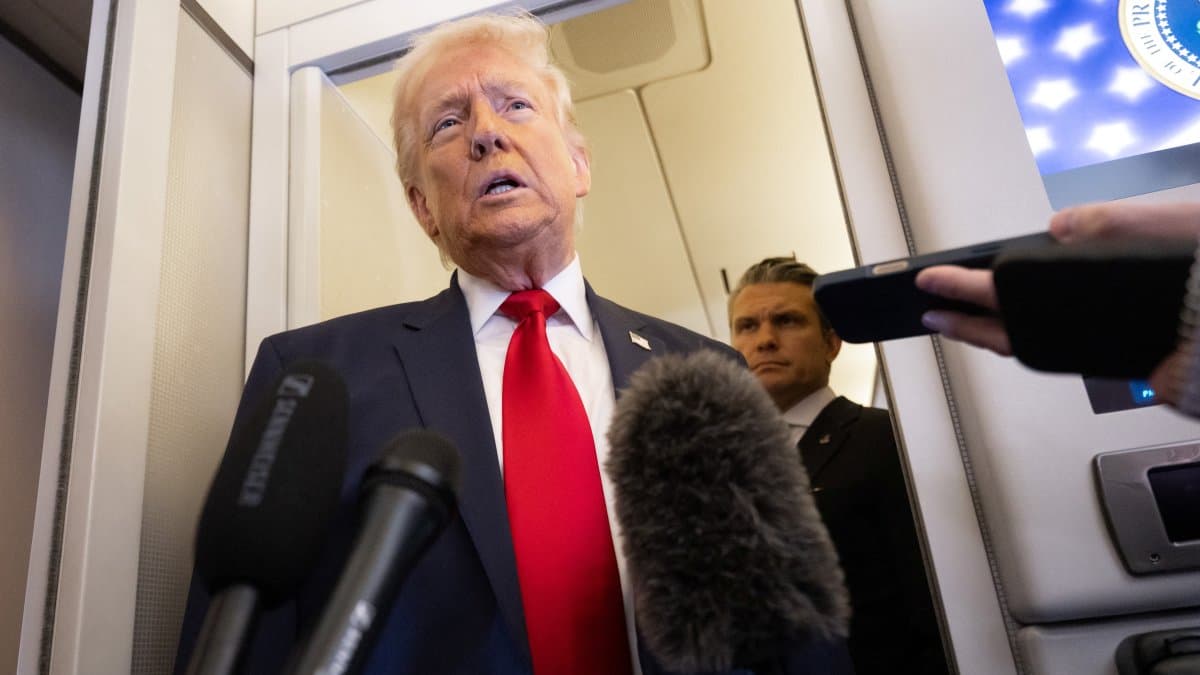

Donald Trump believes the war with Iran may end sooner than expected. According to CBS News, the president believes that the conflict with the Persian country is "practically over," due to the fact that the United States and Israel succeeded in weakening Iranian defense systems.
According to the aforementioned media, the White House believes it is "well ahead" of its four to five week deadline they had initially estimated.
"I think the war is very complete, pretty much. They have no navy, no communications, they’ve got no Air Force." the president said according to CBS News White House correspondent Weijia Jiang, who posted these details on her X account.
In turn, Jiang asked the president if he had any message for Iran's new supreme leader, Mojtaba Khamenei, to which he replied as follows, "I have no message for him. None, whatsoever." At the same time, he remarked that he already has a viable option to replace Ali Khamenei, without giving further details.

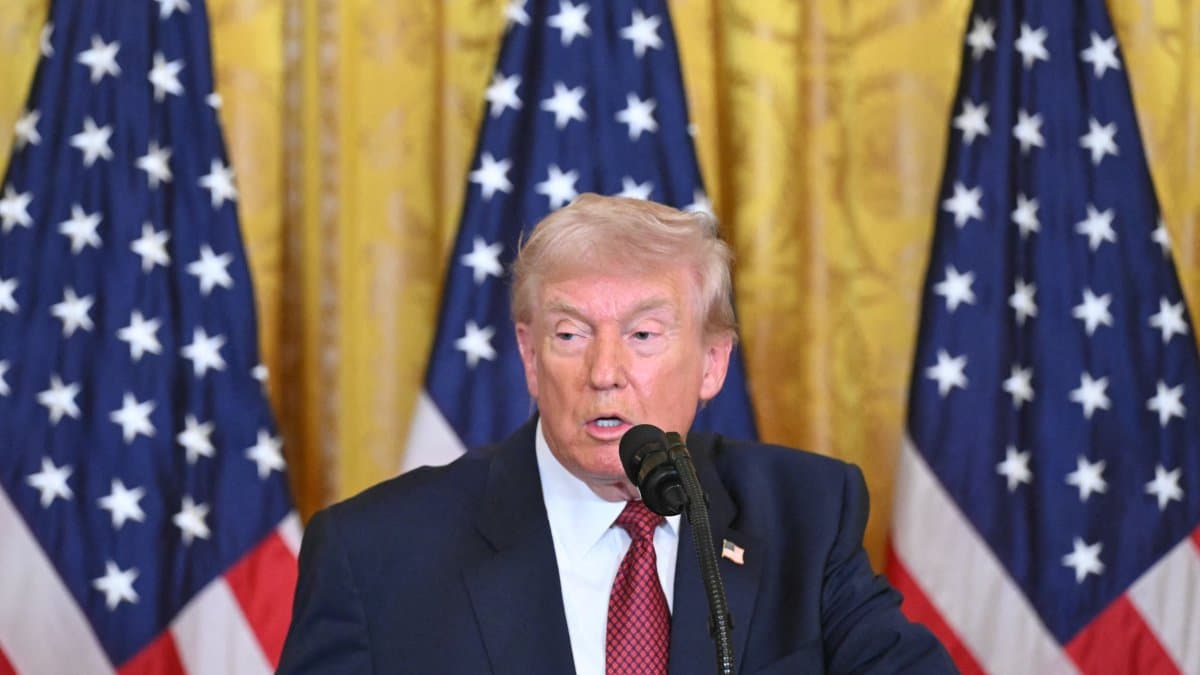
How damaged are Iran's defenses?
In the statements quoted by the CBS News correspondent, the president relies on an almost total destruction of its "navy and Air Force." Since the beginning of the conflict, U.S. and Israeli forces have prioritized neutralizing Iran's air defense systems to allow deeper strikes inside the country.
According to military and intelligence estimates reported in the international media, a significant part of Iran's air defense systems have reportedly been destroyed or rendered useless during the early stages of the conflict.
For example, according to a recent statement by the Chief of Staff of the Israel Defense Forces (IDF), Eyal Zamir, "80% of Iran's air defense systems" have been destroyed. In this way, "almost total air superiority over Iran's skies" was achieved.
For example, during the first days of the conflict, the United States only used B-2 Spirit bombers, aircraft very difficult to detect by radars. Later, they began using less technologically advanced aircraft, such as the B-52 Stratofortress, which began to be used in 1955. This is evidence that the United States and Israel are confident of their air supremacy in Iran.
"Thanks to this and to the high-quality intelligence, we are striking the ballistic missiles that pose a direct threat to the citizens of the State of Israel. We have neutralized and destroyed more than 60% of the ballistic missile launchers, a very significant achievement that reduces the damage to the home front and saves many lives. Every missile is lethal, I emphasize that the threat has not yet been removed and still poses a danger," Zamir added.
In addition, the campaign also included strikes against broader military infrastructure, such as Revolutionary Guard facilities, logistics depots and naval assets.
🛠 Do you think there is an error in this article?
Recommendations









LATEST