Senate Republicans block a resolution intended to halt Trump's military actions in Venezuela
The vote ended in a 50-50 tie after Republican Senators Josh Hawley of Missouri and Todd Young of Indiana changed their positions.
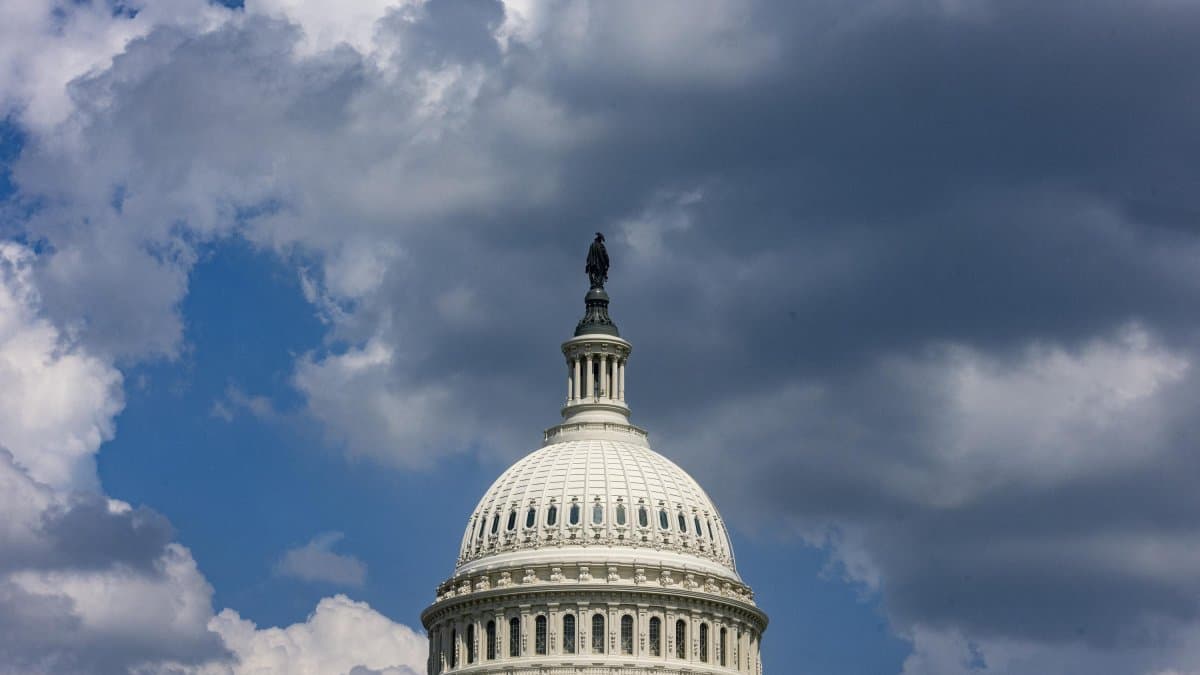

The Senate blocked a resolution Wednesday that would have forced President Donald Trump to seek congressional approval before any U.S. military action related to Venezuela. The deadlock came about through a procedural maneuver pushed by the Republican leadership, which prevented the initiative from coming to a final vote on the floor.
The vote ended in a 50-50 tie after Republican senators Josh Hawley, of Missouri, and Todd Young, of Indiana, changed their positions and joined the effort to prevent the measure from advancing. The tie was resolved by Vice President JD Vance, in his constitutional role as Senate president, tipping the outcome in favor of the Republican position.
Change of position after internal pressures
Hawley and Young had been part, the previous week, of a group of five Republicans who joined all Democrats in allowing the resolution, which sought to limit the president's war powers, to move forward. That vote prompted a public backlash from President Trump, who sharply criticized his party's senators.
Following that episode, White House officials and Republican leaders stepped up efforts to reverse the votes. The central argument was that U.S. forces are no longer operating in Venezuela and that the military mission had ended, so the resolution lacked practical relevance.
Politics
Trump spoke by phone with Delcy Rodríguez: "We are making tremendous progress"
Virginia Martínez
Risch's letter and Rubio's response.
On Tuesday, Sen. James R. Risch, R-Idaho and chairman of the Foreign Relations Committee, formally asked the White House to confirm that Operation Absolute Resolve had ended and that U.S. military personnel were no longer engaged in hostilities in Venezuela.
The response came Wednesday morning. In a letter, Secretary of State Marco Rubio affirmed that the operation was limited in scope and assured that there are currently no U.S. armed forces on Venezuelan territory. Rubio also indicated that any future military action involving hostilities would be carried out in accordance with the Constitution and with the required notifications to Congress under the War Powers Resolution.
World
Poll finds majority of Americans support more military operations in Venezuela
Luis Francisco Orozco
Arguments for stopping the initiative
🛠 Do you think there is an error in this article?
Recommendations
LATEST