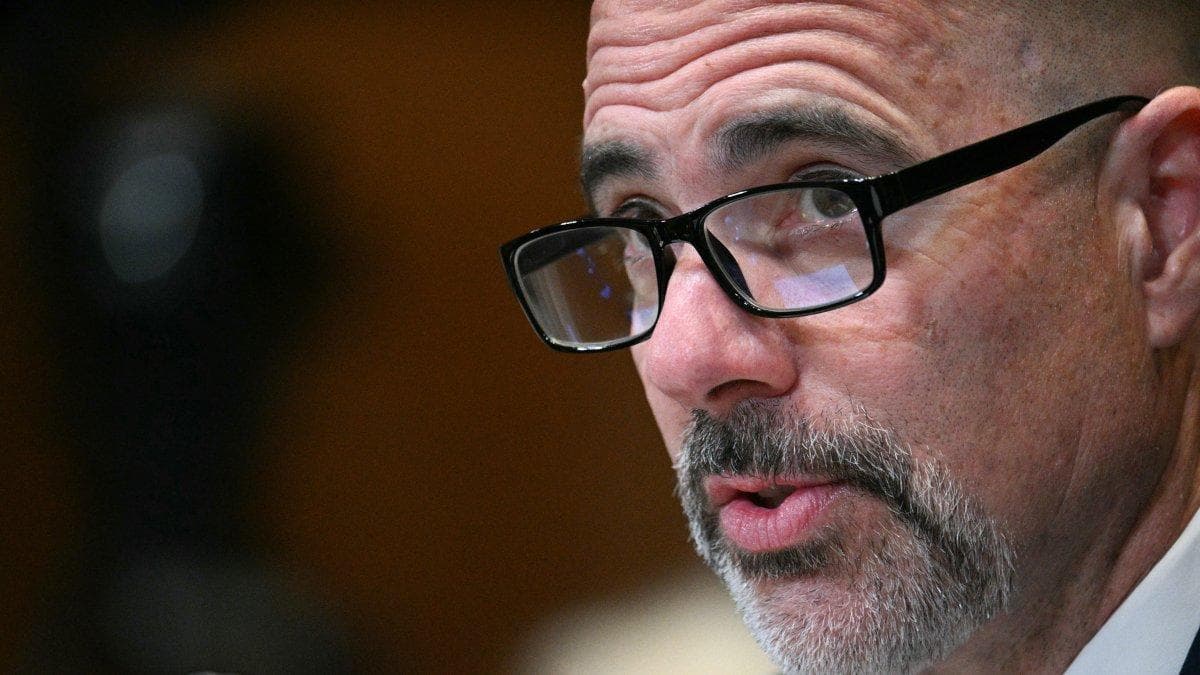







The Supreme Court extended the order allowing the Trump administration to withhold SNAP payments until Thursday
The new order will expire just before midnight on Thursday, giving Capitol Hill two days to finalize the approval of the deal and end the longest government shutdown in history.


The Supreme Court Justices extended the order allowing the Trump administration to withhold Supplemental Nutrition Assistance Program (SNAP). The emergency ruling extended the initial order from November 7 and included neither the outcome of the vote nor a rationale from the justices.
The only justice to speak out publicly was Ketanji Brown Jackson. The latest addition to the nation's highest court was nominated by Joe Biden in 2022. While she had ruled in favor of the initial order, she dissented with his colleagues and voted to resume payments.

Politics
The Senate approves the bill to end the government shutdown and sends it to the House
Emmanuel Alejandro Rondón

The new order will expire just before midnight on Thursday, giving Capitol Hill two days to finalize the approval of the deal and end the longest government shutdown in history. Against this backdrop, the House of Representatives is expected to vote on Wednesday.
Initially, federal judge John McConnell ordered the Trump administration to pay the full amount of outstanding funds for the SNAP program, commonly known as food stamps. The White House was quick to appeal and asked the Supreme Court to intervene in the case as soon as possible. The court initially paused McConnell's order and has now extended that pause for an additional 48 hours.
What is SNAP and how does it work?
The government delivers the money on an electronic card, called an EBT, which can only be used to purchase food at supermarkets, other markets and authorized businesses. The amount received by each household depends on several variables, including income and the number of members.
While all the money invested in the program comes from the federal government, it is the states that administer it locally, handling tasks such as processing applications, distributing cards, and determining eligibility, among other things.
Currently, an estimated 42 million Americans participate in the program.
🛠 Do you think there is an error in this article?
Recommendations




LATEST