





Analysis
Between protest and vandalism: how Trump's flag order fits into the First Amendment debate
The president's move on flag "desecration" revived a debate that the Supreme Court thought had been settled since 1990.

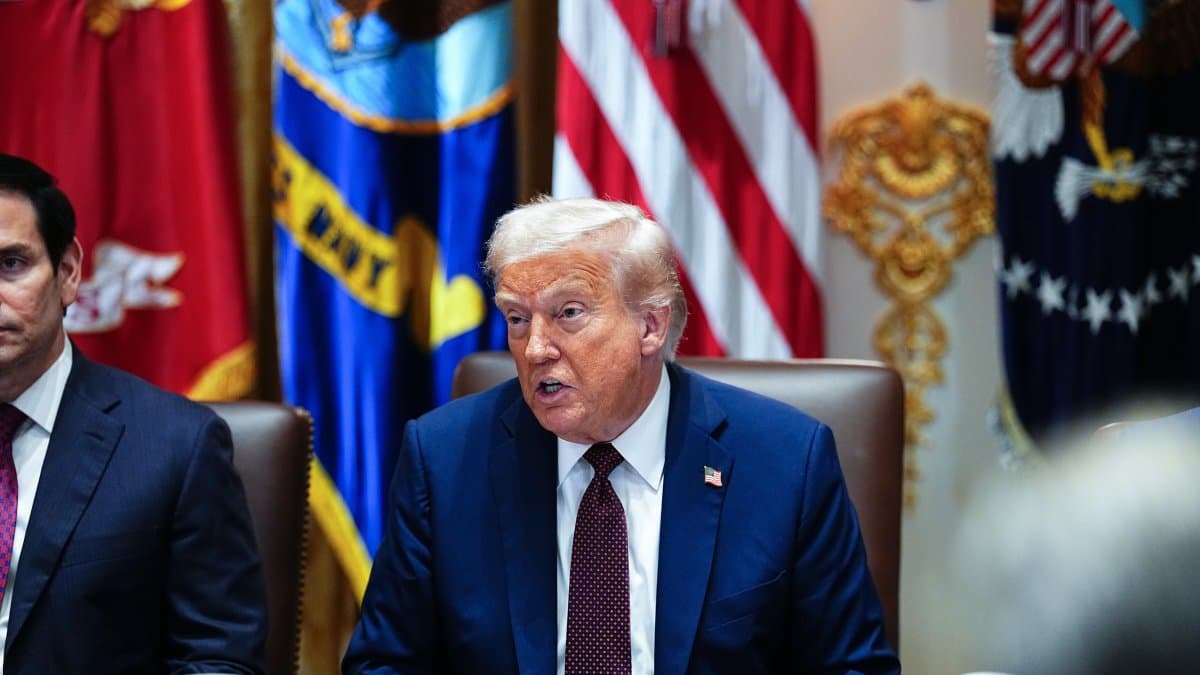
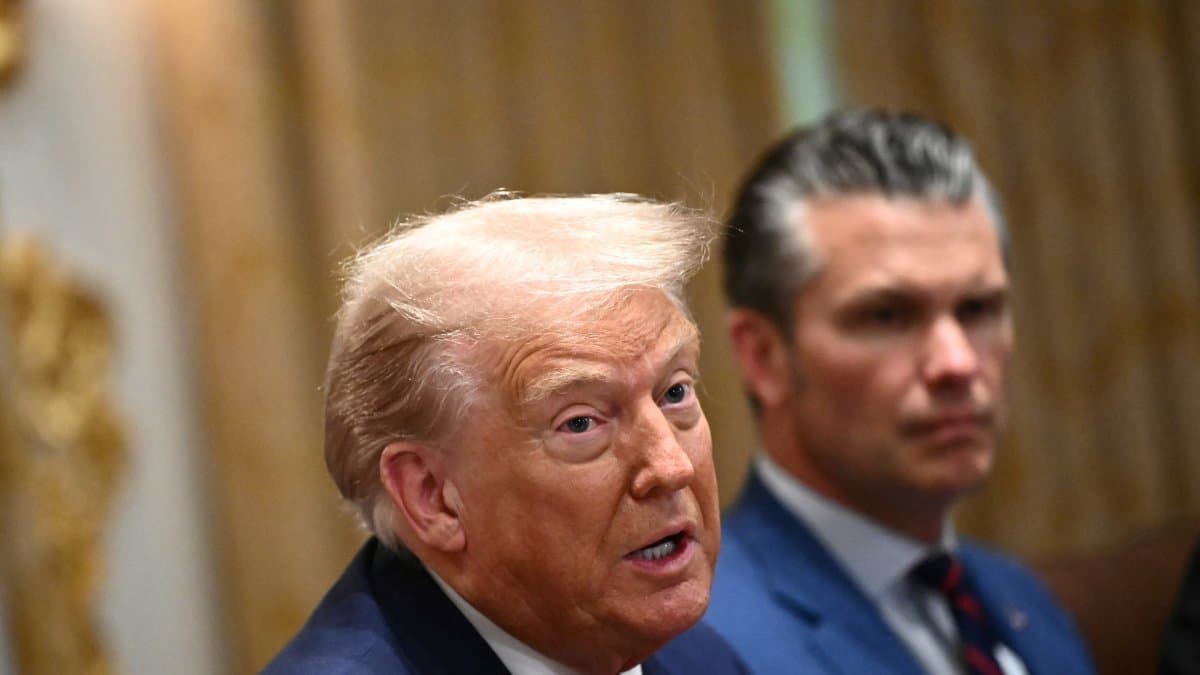
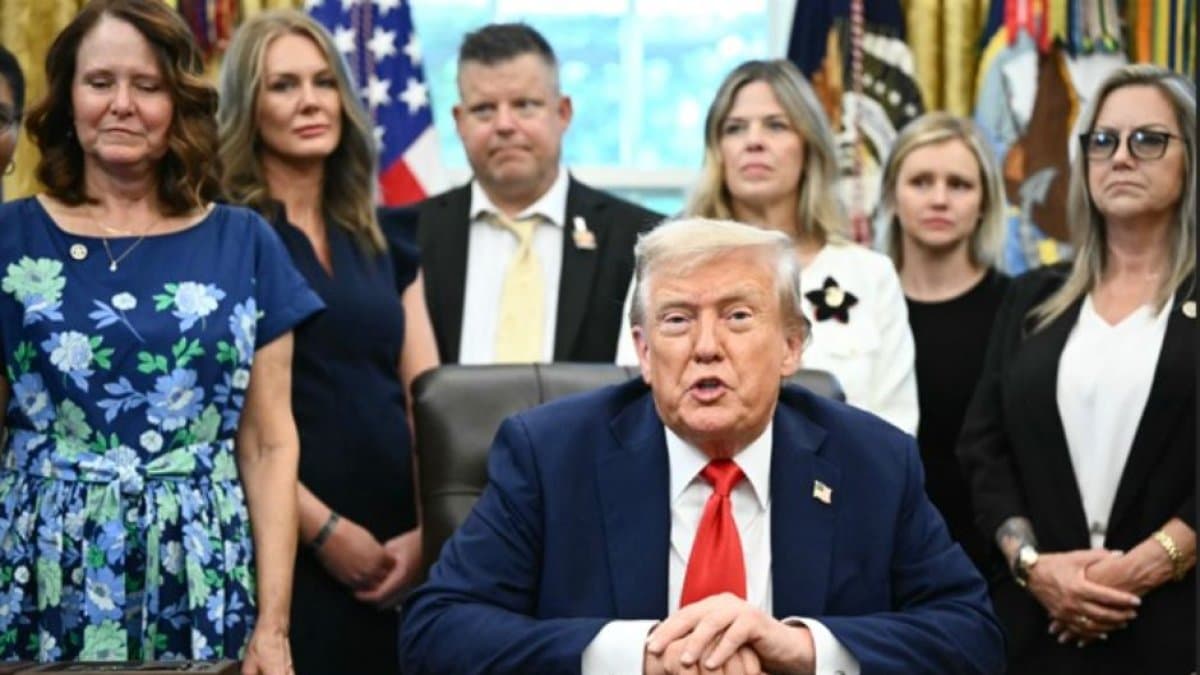
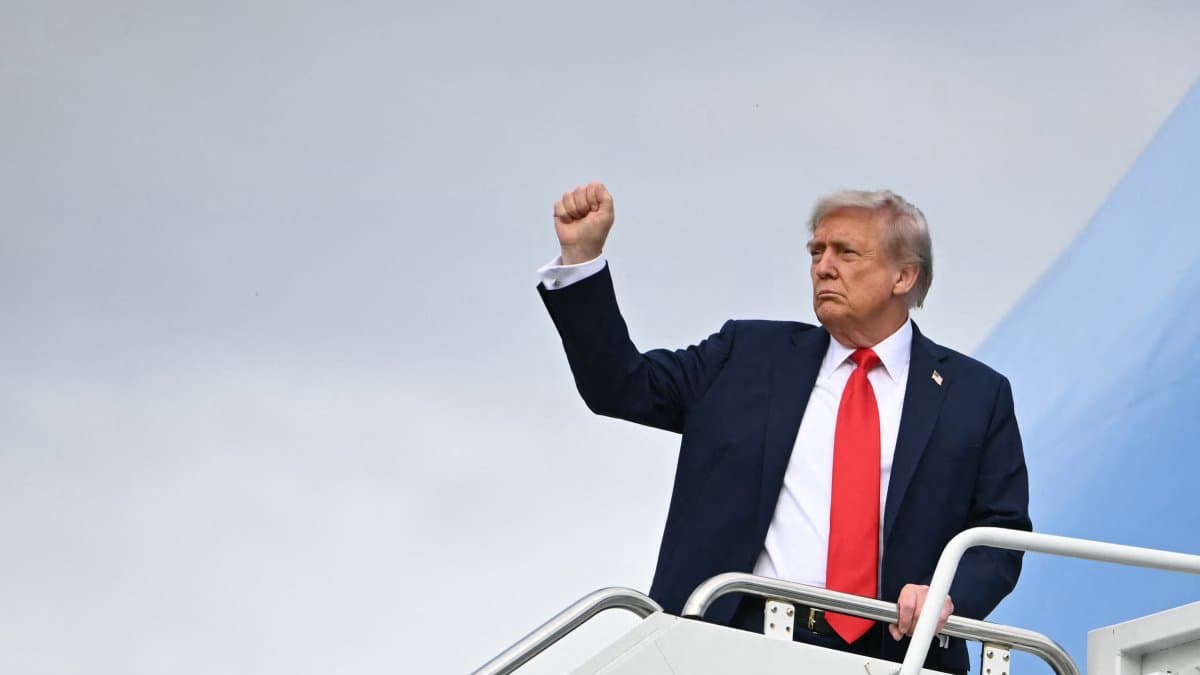
From the Oval Office, Donald Trump announced Monday his intentions to criminalize "flag desecration." As the president argued, the measure aims to "restore respect, pride and sanctity to the American flag." With these statements, Trump revived a debate that the Supreme Court believed to have settled in 1990.
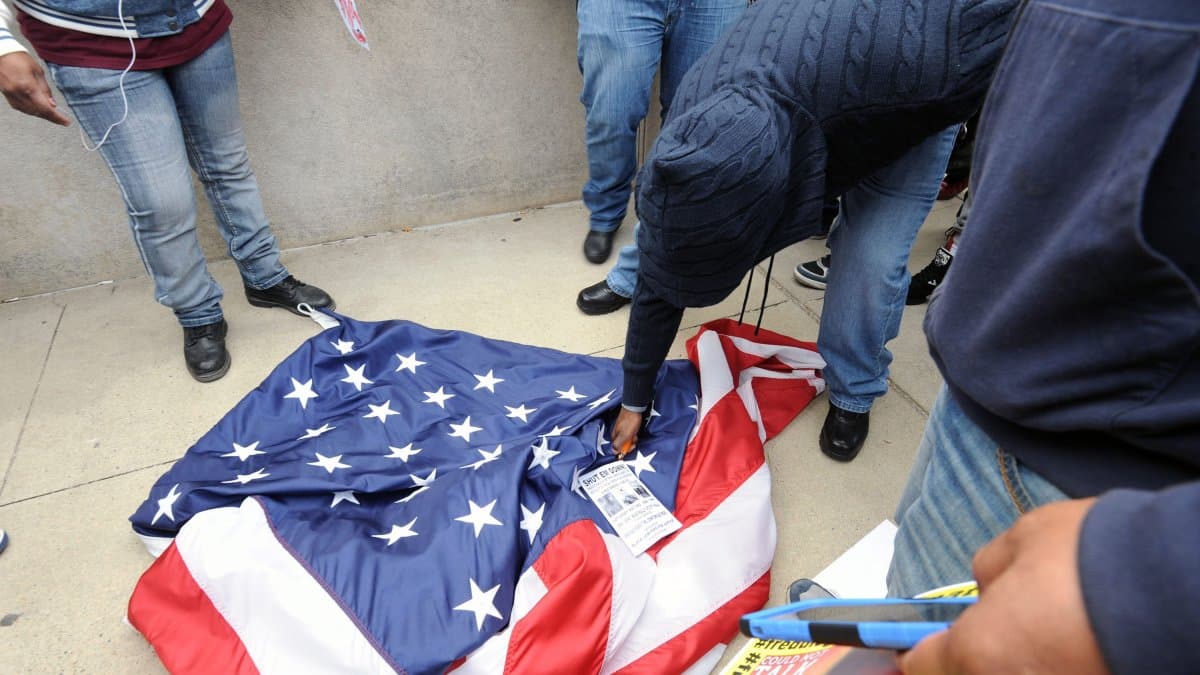
Seeking balance among the Court's precedents, the president is instructing federal agencies to rigorously enforce existing laws in cases where flag burning is associated with already illegal conduct, such as vandalism on federal property or direct incitement to violence.
Thus, the measure seeks to force a restrictive interpretation of flag "desecration" in cases not directly covered by precedent. For example, those that include burning on federal property, vandalism or damage to other people's property and when the action may incite imminent violence.
Politics
The administration seeks to prosecute 'flag desecration' with jail and other penalties
Santiago Ospital
"Notwithstanding the Supreme Court’s rulings on First Amendment protections, the Court has never held that American Flag desecration conducted in a manner that is likely to incite imminent lawless action or that is an action amounting to 'fighting words' is constitutionally protected," explained from the White House in a statement.
"My Administration will act to restore respect and sanctity to the American flag and prosecute those who incite violence or otherwise violate our laws while desecrating this symbol of our country, to the fullest extent permissible under any available authority," it added. It further states that the visas of foreigners who burn American flags will be revoked.
Thus, Trump's executive order does not challenge precedent, but rather attempt to frame sanctions in collateral situations that were not previously contemplated. Flag burning as a form of political protest remains protected by the First Amendment.
The president's initiative opened, however, a discussion that the Supreme Court seemed to have settled more than three decades ago in two landmark rulings: Texas v. Johnson (1989) and United States v. Eichman (1990).
Texas v. Johnson
As of 1989, 48 of the 50 states had laws prohibiting flag burning, mutilation, or desecration. The only ones that had not passed laws so far were Alaska and Wyoming.
At the federal level, Lyndon B. Johnson enacted the Flag Protection Act of 1968. In the context of the midst of the Vietnam War, this law prohibited flag mutilation or burning in offensive contexts.
The case that gave rise to the discussion occurred during the Republican National Convention of 1984, which took place in the city of Dallas. There, as a protest against the policies of Ronald Reagan, activist Gregory Lee Johnson burned an American flag in front of City Hall. The man was prosecuted under local law and sentenced to a year in jail and a $2,000 fine.
Johnson appealed his conviction, asserting that his actions were protected by the National Constitution, and specifically the First Amendment. Since the Texas Court of Criminal Appeals agreed with him, the state elevated the case to the highest court in the land.
Kathi Alyce Drew represented the Lone Star State, arguing that state law prohibited desecration of a venerated object, in this case the flag. For his part, the activist was represented by William M. Kunstler, an attorney with the Center for Constitutional Rights (CCR).
In 1989, the Supreme Court ruled 5-4 in favor of Johnson, arguing that protection of symbols does not trump freedom of speech, enshrined in the First Amendment.
The majority opinion succeeded in uniting two ideological extremes on the Court: William Brennan and Antonin Scalia.
"The First Amendment's protection does not end at the spoken or written word... conduct may be sufficiently imbued with elements of communication to fall within the scope of the First Amendment," Brennan wrote in the majority opinion.
"The government may not prohibit the expression of an idea simply because society finds the idea itself offensive or disagreeable," he added.
The ruling established that the act of burning or damaging the flag as a form of political protest is protected by the First Amendment. When would it cease to be protected as political protest? When the act goes beyond symbolic expression and violates other laws in the process, such as inciting violence or destroying property belonging to others.
Just the News
Bulldozing Crime: Trump plans to clean up Democrat-run cities over local objections
Just The News
Also in the majority were Thurgood Marshall, Harry Blackmun, John Paul Stevens and Anthony Kennedy. On the other side was then-Chief Justice William Rehnquist, accompanied by Byron White and Sandra Day O'Connor.
"The flag is not simply another ‘idea’ or ‘point of view’ competing for recognition in the marketplace of ideas. Millions and millions of Americans regard it with an almost mystical reverence regardless of what sort of social, political, or philosophical beliefs they may have. I cannot agree that the First Amendment invalidates the Act of Congress, and the laws of 48 of the 50 States, which make criminal the public burning of the flag," Rehnquist said in dissent.
This ruling only invalidated the law in Texas and did not automatically apply nationwide. Until here, each local law could be separately challengeable.
Senator Biden and the congressional response
In response to the Supreme Court's ruling, Congress acted quickly to amend the Flag Protection Act.
Senators Joe Biden (D-DE), William Roth (D-DE) and William Cohen (R-ME) attempted to strengthen federal flag protections in defiance of the court decision.
Biden, then chairman of the Senate Judiciary Committee, called for "constitutionally neutral" reform to protect the flag.
Society
Another blow to DEI: Trump requires colleges to report race data on admissions to the government
Emmanuel Alejandro Rondón
"The flag is ‘a national symbol of unity and we need unity in this country because we are so diverse. Symbols are important. We have a symbol, unlike the court’s inability to recognize it, a symbol that is needed to unite this nation, this diverse nation, a symbol is the flag," he delivered in a speech made on the Senate floor.
Specifically, the amendments extended the federal ban to any action that "destroys, burns or damages" the flag, not just at political rallies.
The amendments were approved in the Senate by 91-9 and also by a large majority in the House of Representatives.
United States v. Eichman
In 1990, shortly after the congressional action, Shawn Eichman and other activists burned flags in front of the Capitol in protest. When prosecuted under the new law, he challenged its constitutionality.
The Supreme Court took the case and reiterated that flag burning constitutes symbolic political expression, protected by the First Amendment.
Therefore, and unlike the previous case, the Flag Protection Act was declared unconstitutional. Not only was the Texas legislation struck down, but all the rest. In addition to setting a historic precedent, the ruling invalidated bans on desecrating the U.S. flag at the federal and state levels.
The ruling was 5-4, with the justices voting the same way, and this is the precedent that has ruled ever since.
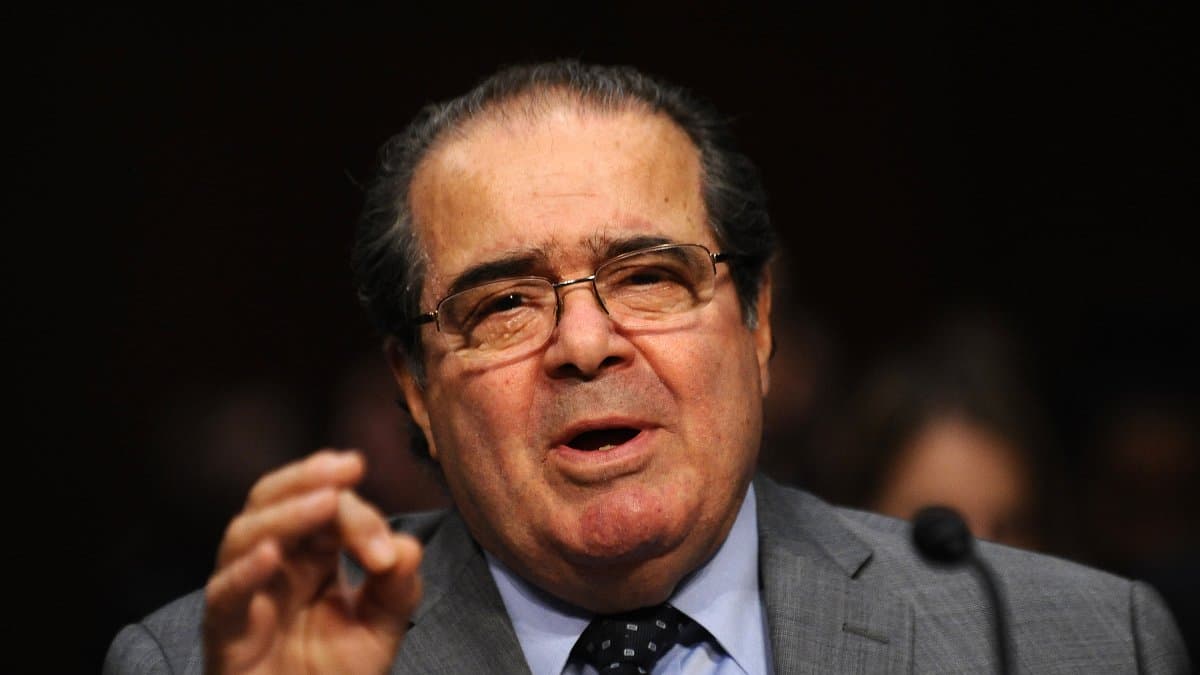
What did Scalia say about burning the flag?
22 years after the case, Scalia gave a talk at Wesleyan University, where he was asked about the initial ruling.
As compiled by the student newspaper, the judge had this to say, "If it were up to me, I would put in jail every sandal-wearing, scruffy-bearded weirdo who burns the American flag. But I'm not a king."
"It was a five to four decision, and I made the fifth vote. Patriotic conservative that I am, I detest the burning of the nation’s flag. If I were king, I would make it a crime. But as I understand the First Amendment, it guarantees the right to express contempt for the government, Congress, Supreme Court, even the nation or the nation’s flag," he said.
🛠 Do you think there is an error in this article?
Recommendations

LATEST