






Cowboy's last rodeo: Clint Eastwood steps away from film at 96 years of age
As a director he made some of the most influential films of the last decades. With "Unforgiven" he dismantled the classic myths of the western and won the Oscar for Best Director and Best Picture. Years later he would repeat the feat with "Million Dollar Baby," a devastating drama that crowned him again at the Academy Awards.
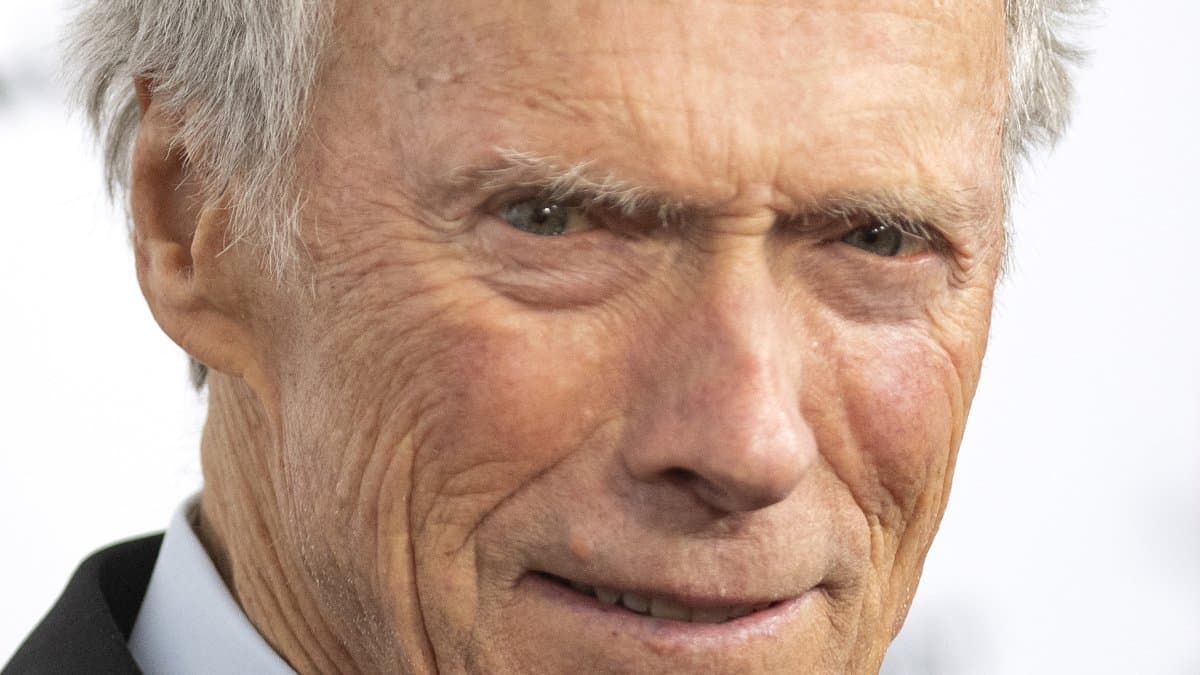

While celebrating his 96th birthday, news that shook Hollywood began to gain momentum: the historic actor and director has decided to retire permanently from cinema. The information did not come through an official statement or a farewell prepared for the cameras. It came from statements made by his son, Kyle Eastwood, who said in an interview in France that his father "is retired." Since then, several media outlets have interpreted that Eastwood's film career has come to an end.
And if that end has already occurred, it is difficult to imagine a more coherent farewell to the man who redefined the western, reinvented the police thriller and became one of the most respected filmmakers of the last seventy years.
Confirmado por su familia: Clint Eastwood se ha retirado del cine a los 96 años https://t.co/RzPZOSAhBx
His journey to the top
Eastwood began his rise in the television series "Rawhide," but achieved immortality thanks to Sergio Leone's "Buck" trilogy, where he built the figure of the silent gunfighter who would forever change the history of the western. Later would come iconic characters like Harry Callahan in "Dirty Harry," cementing him as one of the most recognizable faces of American cinema.
However, time would prove that his legacy would be even greater behind the camera.
As a director, he made some of the most influential films of recent decades. With "Unforgiven" he dismantled the classic myths of the western and won the Best Director and Best Picture Oscar. Years later he would repeat the feat with "Million Dollar Baby," a devastating drama that crowned him again at the Academy Awards.
His filmography also left fundamental titles such as "Mystic River," "Gran Torino," "American Sniper," "Sully: Miracle on the Hudson" and, more recently, "Juror No. 2," considered by many to be his possible farewell film.
Over the course of more than six decades he directed more than 40 films, won multiple Oscars and built a career unique for its longevity, creative independence and ability to continue filming when most of his contemporaries had already retired.
Perhaps that is why it is so fitting that his exit has no frills.
Complex characters, imperfect heroes, men confronted with their decisions...
Because Eastwood never seemed interested in big speeches. His cinema spoke for him: complex characters, imperfect heroes, men faced with the consequences of their decisions and endings that rarely offered easy answers.
Just a few weeks ago, the director once again defended an idea that runs through all his work: film should not explain everything. For him, the best stories are those that leave room for the viewer to fill in the rest.
If this retirement ends up being definitive, then he also seems to follow that philosophy.
There was no official announcement. There was no ceremony.
Just silence.
And in the case of Clint Eastwood, rarely has silence said so much.
🛠 Do you think there is an error in this article?
Recommendations


LATEST