DOGE cuts government spending by $25 billion
The government achieved another non-military spending cut as it faces pressure from rehiring and court restrictions.
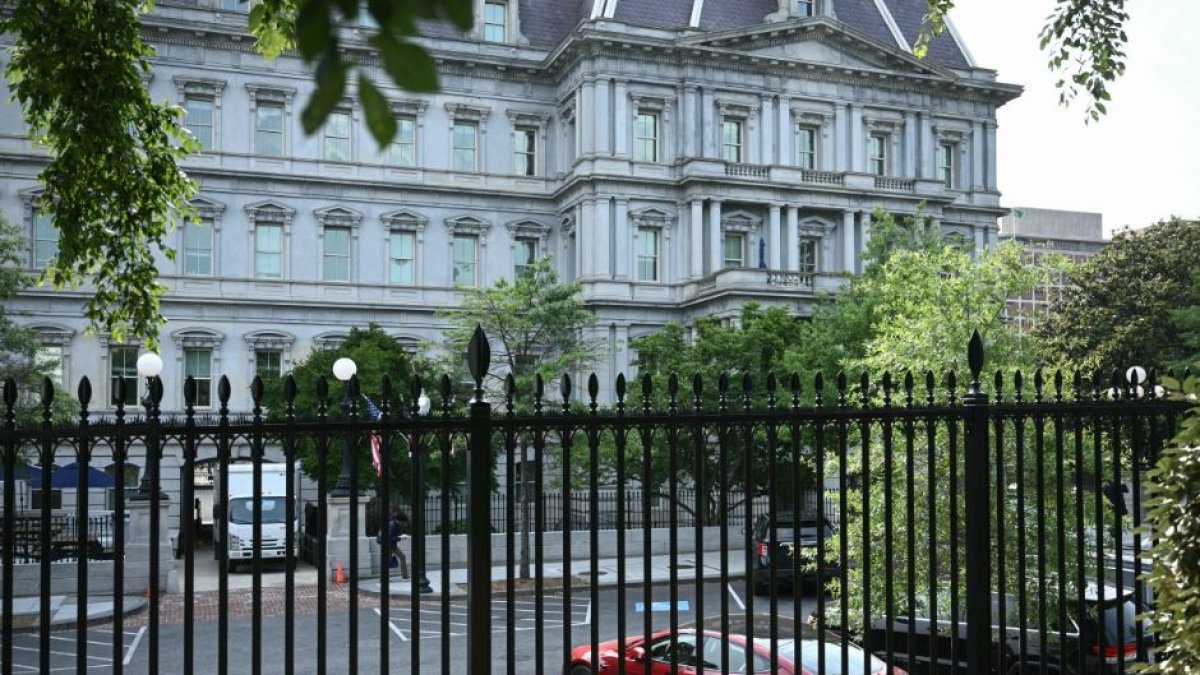
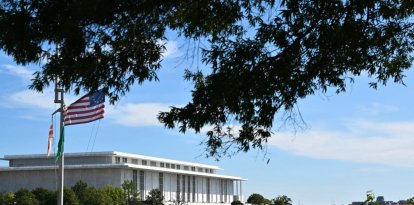
The Eisenhower Executive Office Building, home of the DOGE offices.

The Department of Government Efficiency (DOGE) announced Wednesday that it succeeded in further reducing non-defense federal spending. According to the data, obligations fell by an additional 1.9% since last month, for a total of 22.4% less compared to 2024. This reduction equates to about $25 billion.
In a social media post, DOGE explained that these savings are part of its plan to eliminate unnecessary spending, in compliance with an executive order seeking greater efficiency in using public money.
Re-hiring of laid-off employees
However, almost at the same time this good financial news was released, the Department of Health and Human Services (HHS) announced that it would rehire more than 450 employees laid off in previous months.
The rehired workers are from several important areas of the Centers for Disease Control and Prevention (CDC), such as HIV programs, environmental health and global health.
HHS Secretary Robert F. Kennedy Jr. explained that they knew from the start that some layoffs might be a mistake. "It was always part of the plan: cut 80%, but bring back 20% if necessary," he said.

Politics
Trump asks Congress to approve $9.4 billion in public media and foreign aid cuts
Emmanuel Alejandro Rondón
Other agencies also reverse layoffs
HHS is not the only institution bringing back laid-off employees. Other agencies such as the Internal Revenue Service, the Food and Drug Administration, the Department of State and the Housing Department, have also begun to reinstate staff.
These actions show that, although large spending cuts have been achieved, some government offices still need more staff to function well.
Judicial setback complicates the picture
In short, although the government has managed to save billions of dollars, it now faces new pressures from having to rehire and court decisions that could affect the functioning of its central spending watchdog agency.
LATEST