Legitimate spending or legal trick? The Medicaid Mechanism that could stall Trump's mega-bill in the Senate
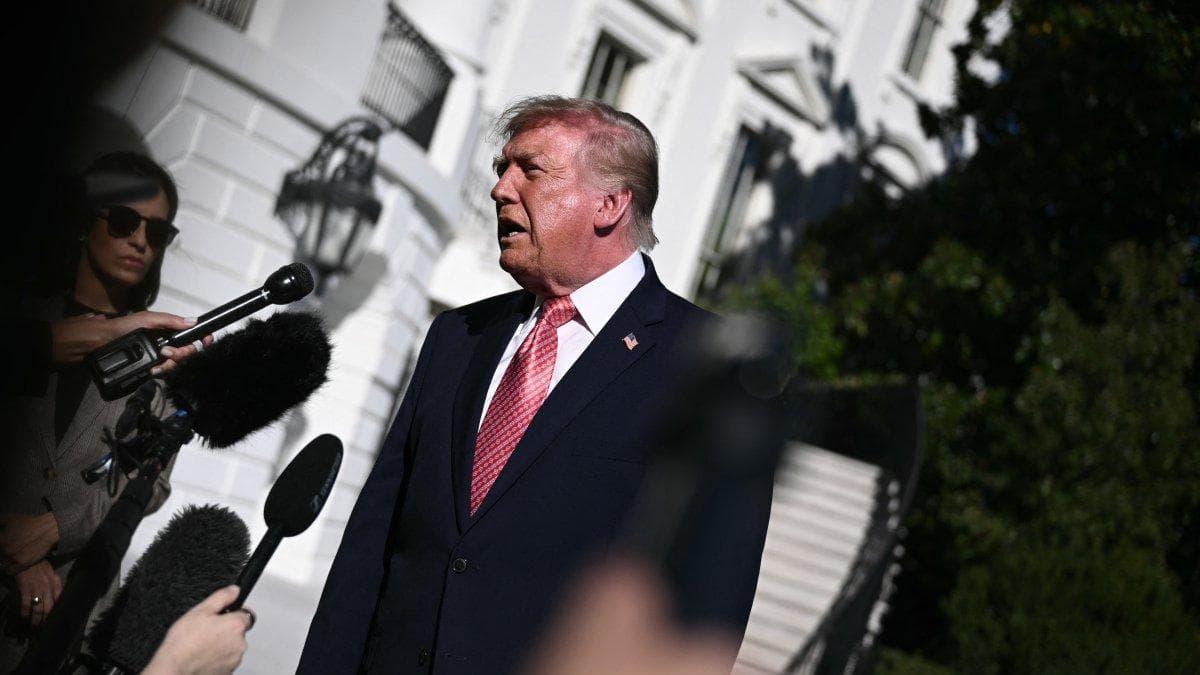
President Donald Trump assured that he wants to be able to sign his legislation close to July 4, to celebrate Independence Day.
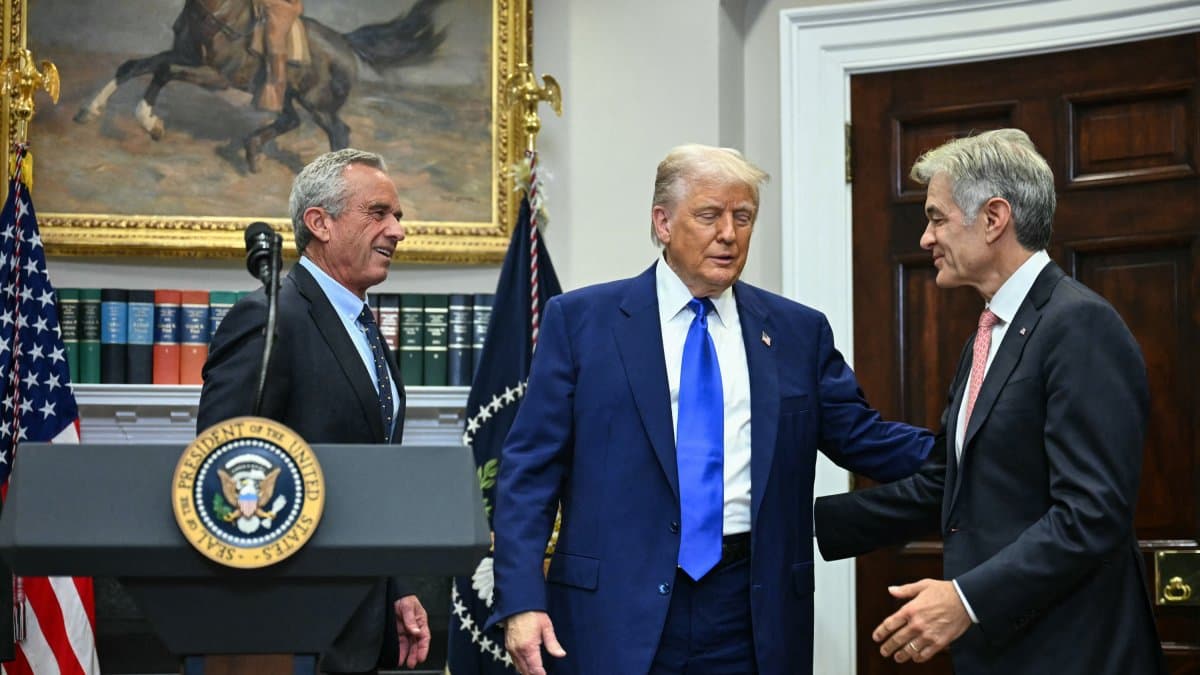

Donald Trump assured that he wants to be able to sign his mega-bill around July 4 to celebrate Independence Day. To meet this goal, the "One Big, Beautiful Bill" will have to pass through the Senate. There, two debates coexist in parallel: the extent of spending reductions and reforms to Medicaid. Within the public health option, the key appears to be in the medical provider taxes.
This discussion managed to unite an unlikely group of lawmakers. The coalition of senators concerned about the future of Medicaid spans different positions within the party itself. Within the group are Josh Hawley (R-MO), Susan Collins (R-ME), Lisa Murkowski (R-AK), Jerry Moran (R-KS), and Jim Justice (R-WV).
Politico dubbed this board the "Medicaid moderates," because the GOP can only afford three casualties when it comes time to vote; they have a decisive influence on the final product.
Politics
Trump asks Congressional Republicans to pass his "One Big Beautiful Bill Act" before the Fourth of July
Luis Francisco Orozco
Politics
Trump's Mega Bill would prohibit Medicaid from covering gender transition treatment
Joaquín Núñez
"I would hope that we would elect not to do anything that would endanger Medicaid benefits as a conference. I’ve made that clear to my leadership. I think others share that perspective," expressed Senator Hawley, who even published an op-ed defending his position.
Both John Thune (R-SD) and Mike Crapo (R-ID), chairman of the Senate Finance Committee, are negotiating over the extent of Medicaid reforms, particularly regarding taxes on medical providers. Current legislation proposes to restrict them or change the way they are calculated, which worries some senators.
The key debate among Senate Republicans: funding tool or abuse of the federal system?
While there is near consensus among Republicans on the workforce requirements that are in the House proposal, this is not the case with taxes on health care providers.
While some lawmakers see them as a mainstay to keep rural hospitals afloat, others see them as a legal gimmick that states found to financially abuse the system, generating unnecessary spending in Washington, DC.
The discussion is as follows:
Medicaid, a program that roughly covers the health of some 80 million low-income people across the country, has a mixed funding system. One part is paid for by the federal government and the other by the states, which administer the program individually with their rules, benefits, and requirements.
The federal government covers a percentage of total Medicaid spending in each state. This percentage is higher in poorer states and lower in wealthier states. The subsidy is called the Federal Medical Assistance Percentage (FMAP) and varies according to the state's median income. For example, it currently covers 78% of the cost in Mississippi and 50% in California.
Just had a great talk with President Trump about the Big, Beautiful Bill. He said again, NO MEDICAID BENEFIT CUTS
This subsidy is not a fixed amount but a percentage of the state's reported spending. The more the state spends on Medicaid, the more money it receives from the federal government in proportion to its FMAP. If the state succeeds in showing that it spent more, it automatically receives a larger transfer of federal funds.
To pay for their share of Medicaid, many states levy medical provider taxes, an excise tax on hospitals, clinics, or other health care providers.
This is where FMAP comes in, since it is levied on every dollar the state in question claims to have spent on Medicaid.
For example, if Alabama spent $1 million on Medicaid and has an FMAP of 70%, the state reports that spending, and the government proceeds to send it $700,000. So, for every $1 the state spends on Medicaid, the federal government returns $0.70 to the state. It is important to clarify that the government does not pay up front but reimburses later.
Ultimately, and based on this example, Alabama paid only $300,000 in Medicaid expenditures.
This is the point at which almost all states trigger medical provider taxes. Instead of appealing to the state treasury, they use this tax to cover all or part of their share of Medicaid.
Politics
GOP plan to hold the House in 2026: Capitalize on Hispanic vote in key districts
Joaquín Núñez
The health care provider tax debate
By funding its share of spending in whole or in part with these taxes, the state ends the circle by recouping more federal money than it actually put in.
Following the example above, if out of $1 million, the state acquired $100,000 for this tax, it actually invested $900,000. However, it reported a total expenditure of $1 million to the federal government.
Such a mechanism makes it appear that the state invested more money in Medicaid than it actually put in, thus receiving more federal funds than it would be entitled to. Critics argue that the system itself creates the incentives for this to occur.
Is this legal? In fact, federal law endorses the existence of these taxes, as long as they are not returned directly to hospitals in exact proportion. Therefore, states devise complex formulas to "redistribute" these funds and meet the requirements embodied in the rules.
This incentive within the system is what generates tensions within Republicans, as critics argue that this scheme distorts the actual funding of the system, "artificially" inflating state spending and abusing the FMAP resource.
Currently, at least 40 states use some form of health care provider taxes.
The House legislation worries some Republican senators, since their states would have to put more of their own money into Medicaid. This could complicate the finances of many hospitals that rely on this funding scheme to operate. In this group are Hawley, Justice, and Moran.
Many rural hospitals, especially in lower-income states, have very low profit margins. Without this financial engineering, they would not be able to sustain their operations because the state would not have sufficient resources to pay them.
On the other side are Republican hawks, including Rand Paul (R-KY) and Ron Johnson (R-WI), who seek to reduce the national debt. In their view, states are taking advantage of a legal mechanism to squeeze more money out of the government.
🛠 Do you think there is an error in this article?
Recommendations



LATEST