The History of Somaliland, the Least Globalist Country in the World (1)
Somaliland: Independence, war, and genocide
Unlike the elites in most African and Asian countries—which were, in one way or another, colonized or placed under European trusteeship—Somaliland's elites view their former European ruler with sympathy and even use its symbols in a positive light.
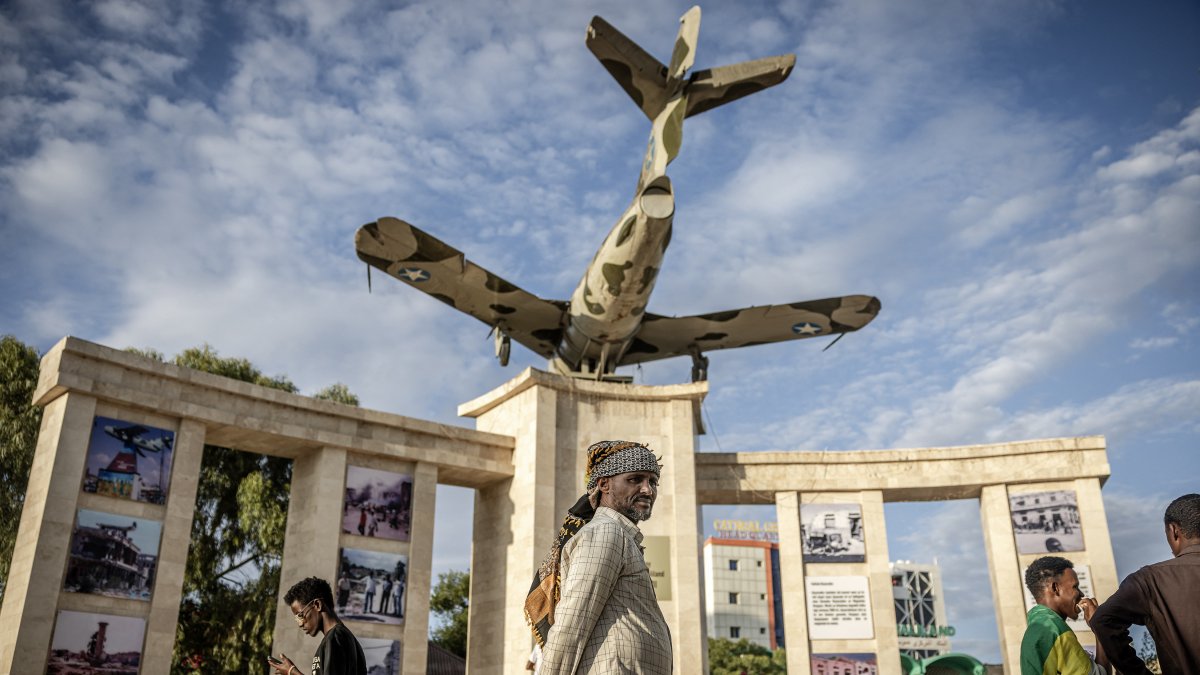
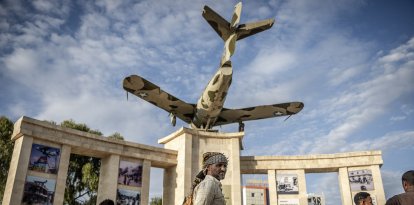
Memorial to the Hargeisa War in Hargeisa.

The great tragedy of the recent history of Somaliland was ignored by key institutions and major globalist actors. Only Israel, the country most hated by globalism, paid attention to the genocide of the Isaaq. Somaliland also defies globalist norms in its rejection of the victim narrative against the former European colonial power.
The word Somaliland probably means very little to Spanish-speaking readers. On first seeing it, they may imagine a fairy-tale kingdom because of the suffix -land, which evokes names such as Disneyland, before thinking of Somalia and the images associated with it: a downed American Black Hawk helicopter, ship-hijacking pirates and attacks by the Islamist terrorist group Al-Shabaab.
Somaliland does indeed mean "land of the Somalis," but it is far from being synonymous with Somalia. Unlike neighboring Somalia (which, as the ending of its name suggests, was an Italian colony), Somaliland was, between the late 19th century and the mid-20th century, a British protectorate, from which it likely took its name, with the suffix -land, meaning "land" in English.
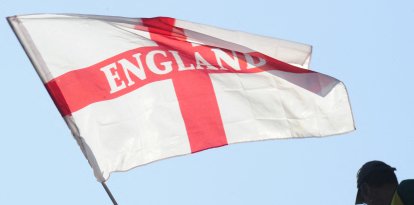
The Somalilanders declared their complete independence from the British in 1960, a few days before their Somali cousins gained independence from the Italians. Unlike the elites in most African and Asian countries that were colonized or placed under European tutelage in one way or another, the elites of Somaliland view their former European patron with sympathy and even use its symbols in a positive way. Take, for example, this activist campaigning for Somaliland's recognition, whose profile picture on X is the flag of the British protectorate.
Inspired by the wave of Africanist idealism sweeping the continent during the days of the declarations of independence, the leaderships of Somaliland and independent Somalia decided to merge in the name of unity among all Somalis to form a single republic with aspirations to one day also bring together the lands inhabited by other Somalis, in present-day Djibouti and within the current borders of Ethiopia and Kenya.
But although the union between the two pioneering territories eventually materialized de facto, the merger was not entirely legal, as the advocates of Somaliland's sovereign legitimacy continue to point out to this day. The fact is that, although Somalia and Somaliland signed unilateral declarations of union at the time, no formal document to that effect was ever signed between the parties.
"Israel was practically the only country that paid attention to what was happening in that region of the Horn of Africa and denounced it before the UN what is now known as the Isaaq Genocide".
Furthermore, in 1961, the first Constitution of the Unitary Somali Republic was put to a referendum; it was enthusiastically approved in the south (in former Italian Somalia) but overwhelmingly rejected in the northern territories, where the Isaaq clan is in the majority (in former British Somaliland).
This marriage, which was unhappy from the start, finally fell apart in the 1980s, when discontent with the dictatorship of General Mohamed Siad Barre led to the emergence in the former British protectorate of the Somali National Movement (SNM), one of the many armed groups that rose up against the dictator.
Barre responded to the uprising in the north with a brutal military campaign aimed at putting an end to the Isaaq problem once and for all. Up to 200,000 members of this majority clan in Somaliland lost their lives at the hands of Barre's forces between 1987 and 1989 alone, amid widespread international indifference.
Two fighter jets from the Mogadishu Army took turns indiscriminately bombing the capital of the rebel region, Hargeisa, for four hours a day, as recounted in this documentary on the country's history, as recounted by the then-SNM fighter Musa Bihi Abdi, who would later become president of Somaliland. On a hill near the city, the dictator's forces also set up Russian artillery pieces with which they shelled the city at will.
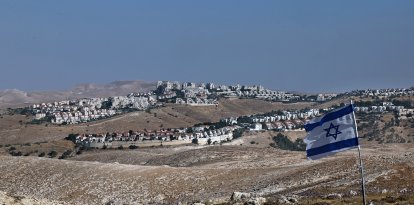
Just as it has done again now by taking the lead in formally recognizing Somaliland as a state (which we will discuss later), Israel was practically the only country that paid attention to what was happening in that region of the Horn of Africa and denounced it before the UN what is now known as the Isaaq Genocide.
Just as the Jews survived Hitler, the Isaaq were able to celebrate Barre's passing from this world; he died in 1991 while in exile in Lagos, Nigeria, with Mogadishu and former Italian Somalia plunged into the state of war and chaos in which they remain today.
LATEST