From Tiananmen to Tehran: When rogue regimes crush the unarmed
Do we reward regimes that deploy armored forces against their own people? Or do we finally admit that silence is complicity?
Published
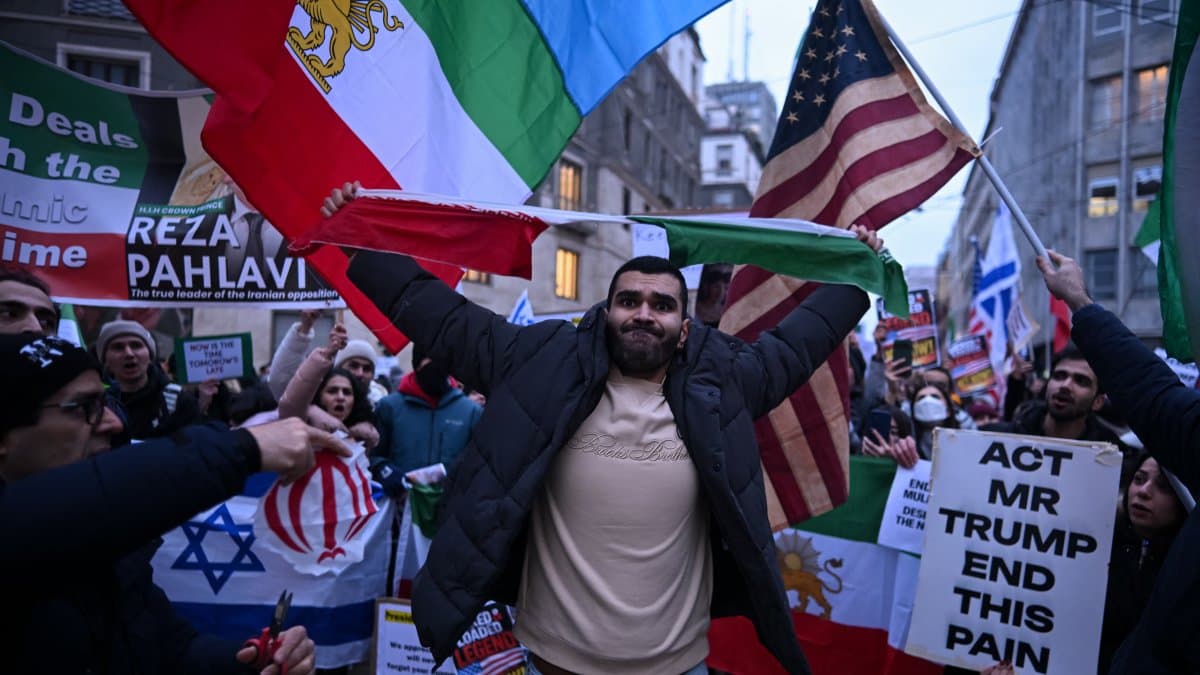
In Beijing in 1989, a lone man stood before a column of tanks after the Chinese Communist Party slaughtered unarmed students demanding freedom. In Tehran in December 2025, civilians stood before armed security forces after Iran’s regime deployed force against its own people, demanding dignity, food and basic rights.
Different flags. Same script.
Then and now, authoritarian regimes confronted peaceful protest not with reform, but with bullets, batons and armored vehicles.
The Tiananmen template
In June 1989, China’s Communist Party declared student demonstrators a threat to “social order.” Tanks rolled into Tiananmen Square. Machine guns followed. While the true death toll remains unknown, estimates range from several hundred to several thousand.
The world watched in horror. Then it moved on.
Western governments imposed brief sanctions. Corporations paused, then returned. Universities stayed largely silent. Business resumed.
China learned the lesson well: crush hard, blackout information, outlast outrage. That playbook has since been perfected.
Tehran, 2026
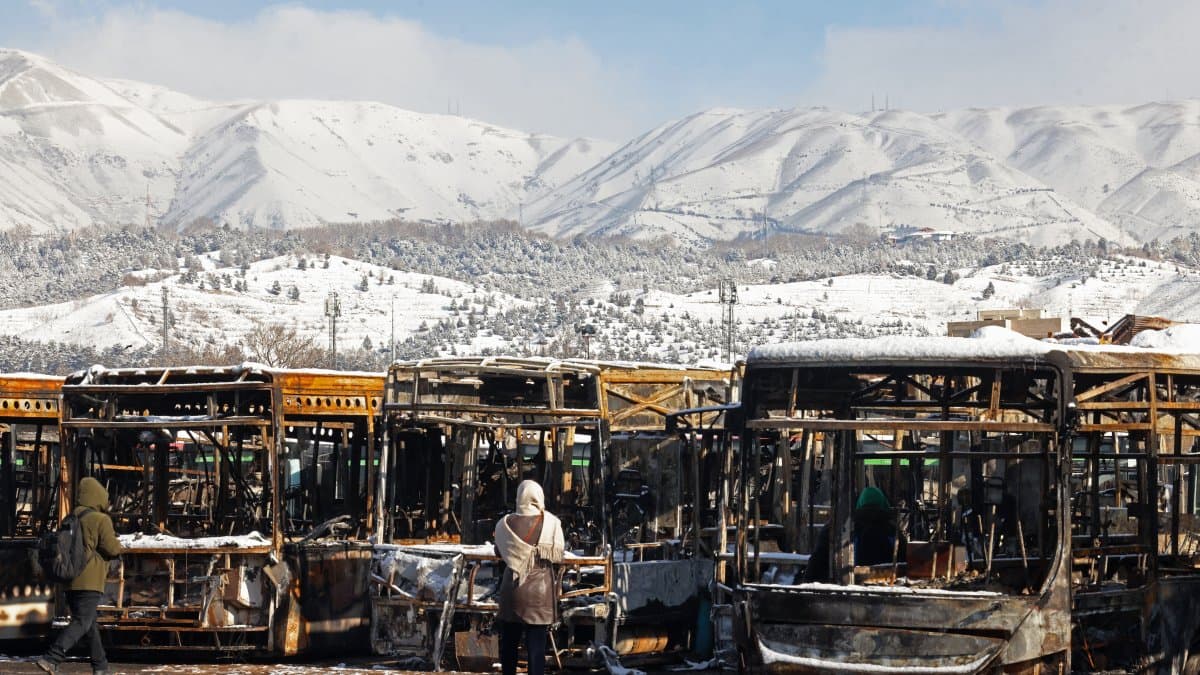
Beginning in December 2025 and continuing into 2026, Iranian citizens poured into the streets as inflation soared, food shortages worsened, and corruption became impossible to ignore.
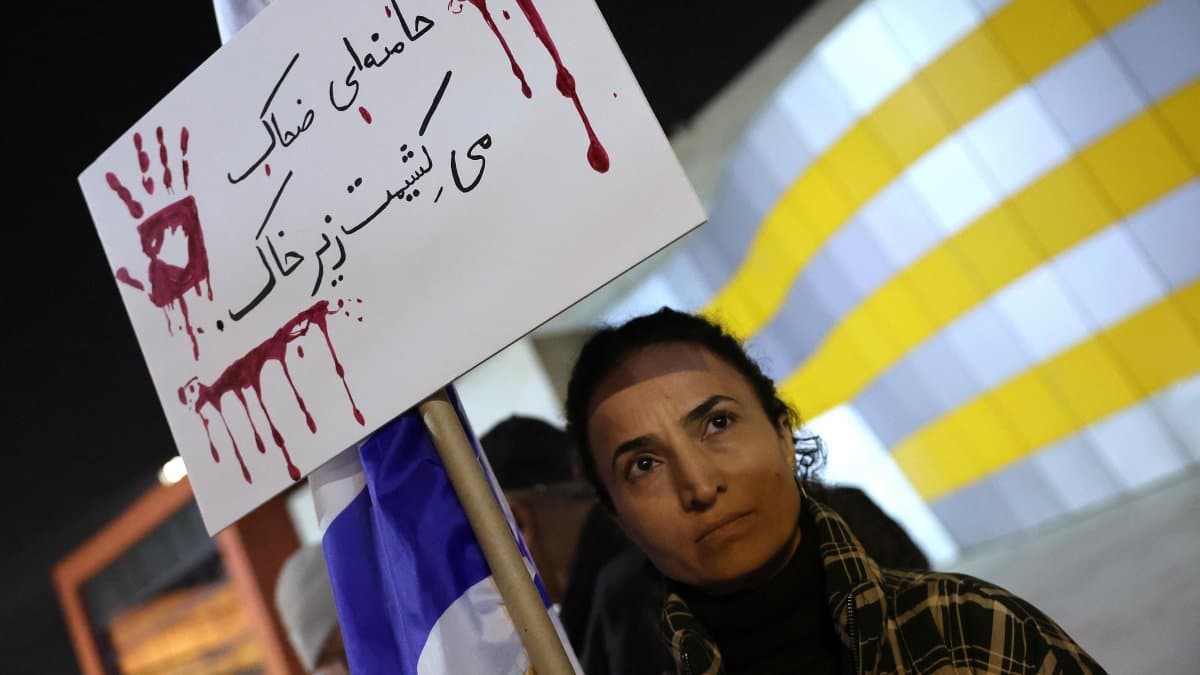
Protesters chanted not for war, but for life. The regime responded with live ammunition, mass arrests, internet shutdowns and state-issued death tolls designed to minimize the carnage. Witnesses reported that bystanders were killed. Families were threatened into silence.
Once again:
• Armed state.
• Unarmed civilians.
• Information control.
• Foreign hesitation.
It is Tiananmen, with turbans instead of uniforms.
Global silence
• In 1989, there were no smartphones. In 2026, there are millions and yet the moral response is weaker.
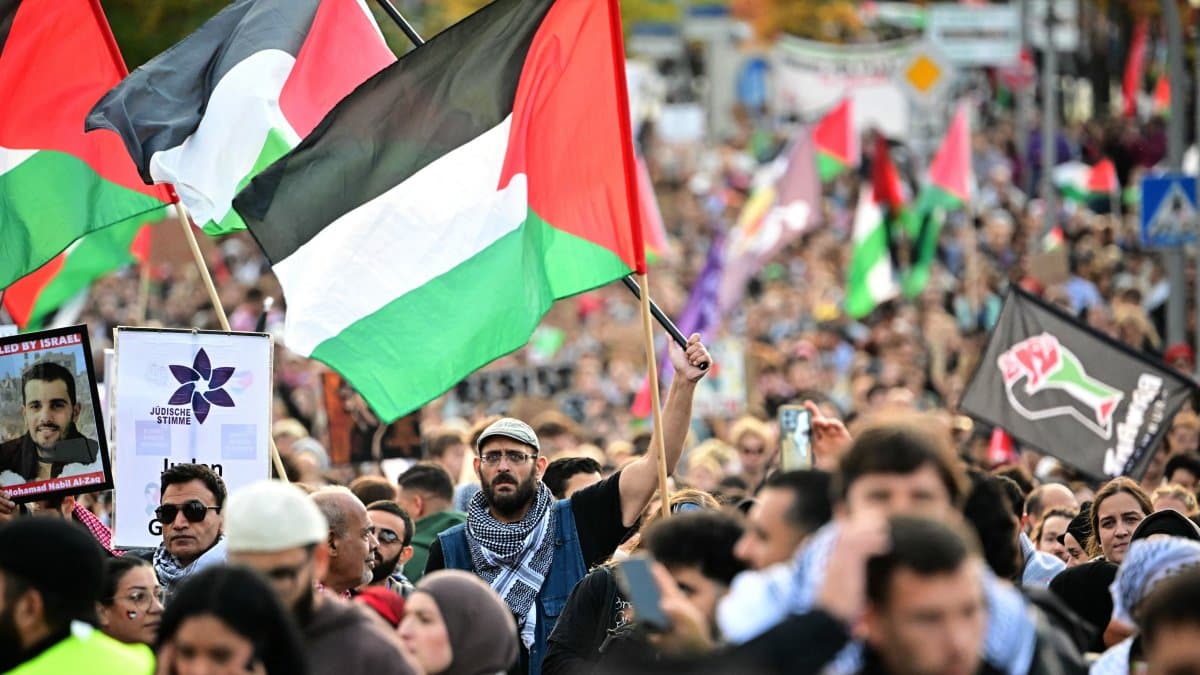
• There are no campus encampments for Iranian victims.
• No celebrity marches for murdered protesters.
• No faculty petitions demanding sanctions on Tehran.
• Universities that mobilize instantly for Gaza fall silent for Iran.
Why?
Because Iranian protesters do not fit the fashionable narrative. They are not “anti-colonial.” They are not attacking Jews. They are not useful. They are inconvenient.
The United Nations problem
After Tiananmen, the United Nations issued statements. China kept its seat. After Tehran, the United Nations issued statements. Iran keeps its diplomatic standing. When regimes that massacre civilians remain legitimate global actors, “repression becomes policy—not crime.” The lesson tyrants learned from Tiananmen was not restraint.
It was how to survive condemnation.
The image they fear
Why does the “Tank Man” photograph still haunt Beijing?
Because it proves something terrifying to tyrants: One unarmed citizen can expose the lie of the state.
That is why Iran shut down the internet. That is why China erased Tiananmen from textbooks. That is why images from Tehran are disappearing in real time.
Dictatorships fear one thing more than crowds—witnesses.
What changed and what didn’t
1989
• China massacres students.
• The West condemns, then trades.
• Campuses protest apartheid, not Beijing.
2026
• Iran suppresses civilians.
• The West condemns, then negotiates.
• Campuses protest Israel, not Tehran.
The names change. The pattern does not.
Why this matters to the Jewish world
Iran’s regime does not merely oppress its own people. It exports terror. It arms Hezbollah. It funds Hamas. It threatens Israel openly.
Every Iranian civilian beaten or silenced in the street weakens the world’s most dangerous theocracy.
Their fight is not separate from ours. It is upstream from it.
The choice history keeps offering
Tiananmen presented the world with a test.
The world chose stability over justice.
Tehran now presents the same test.
Do we reward regimes that deploy armored forces against their own people? Or do we finally admit that silence is complicity?
There is still time to answer differently.
But not much.
🛠 Do you think there is an error in this article?
Recommendations


LATEST