Iranian crackdown met with silence by UN human rights experts
In contrast, U.N. experts are quick to condemn the U.S. and Israel, UN Watch reports.
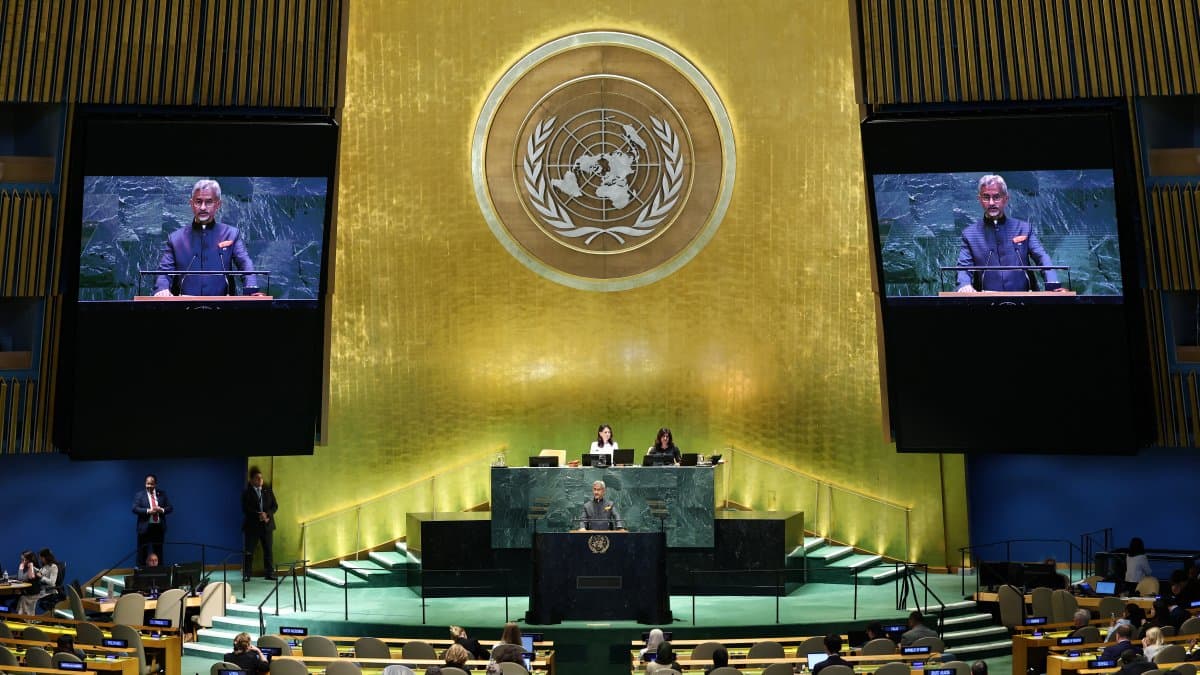

A new United Nations Watch report has revealed that most U.N. human rights experts have not condemned the Iranian regime’s mass killing of protesters.
“The majority of U.N. human rights experts—known officially as Special Procedures—have been mostly silent on the Islamic Republic’s violent crackdown against civilian protests since Dec. 28, 2025,” the Geneva-based U.N. Watch said in a report on Jan. 14.
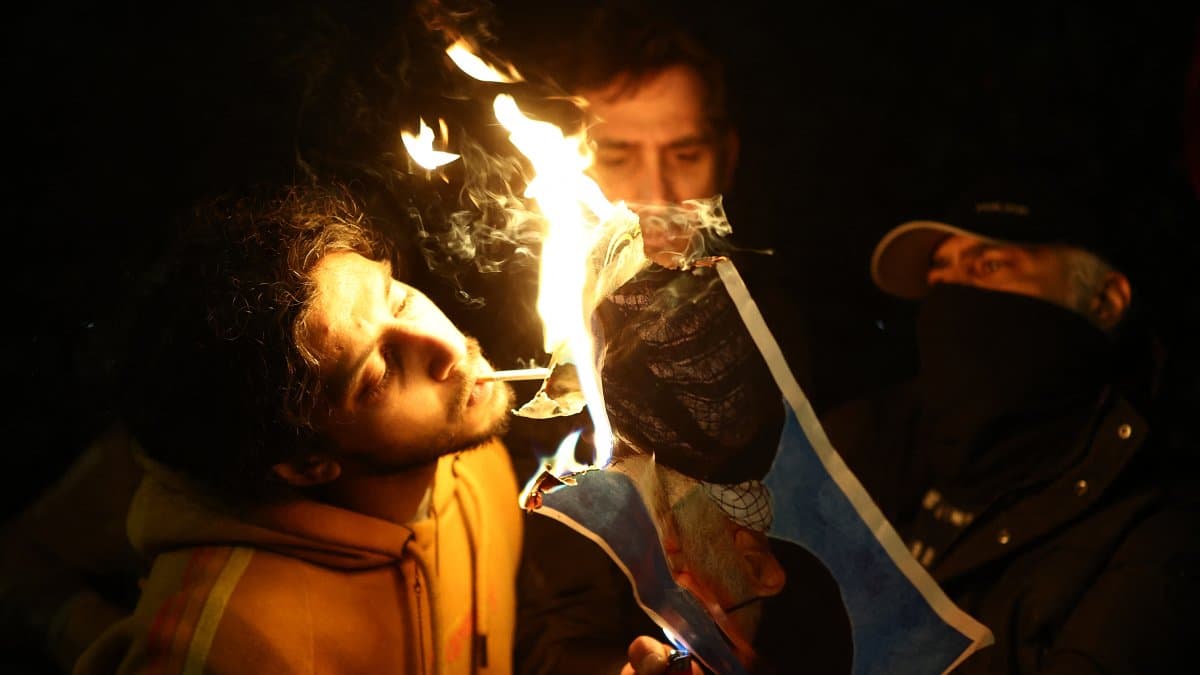
Protests in Iran broke out on Dec. 28, 2025, over the collapsing Iranian currency and quickly morphed into mass demonstrations in all the country’s 31 provinces. The regime reacted with violence.
As of Jan. 14, at least 2,571 people have died, of whom 2,403 were protesters and 147 individuals associated with the Iranian government, reported Human Rights Activists in Iran (HRAI). Some estimates put the death toll much higher.
The numbers “far exceed the number of deaths during any other protests or unrest in Iran in recent decades and resemble the chaos during the events of the Islamic Revolution in 1979,” HRAI said.
JNS
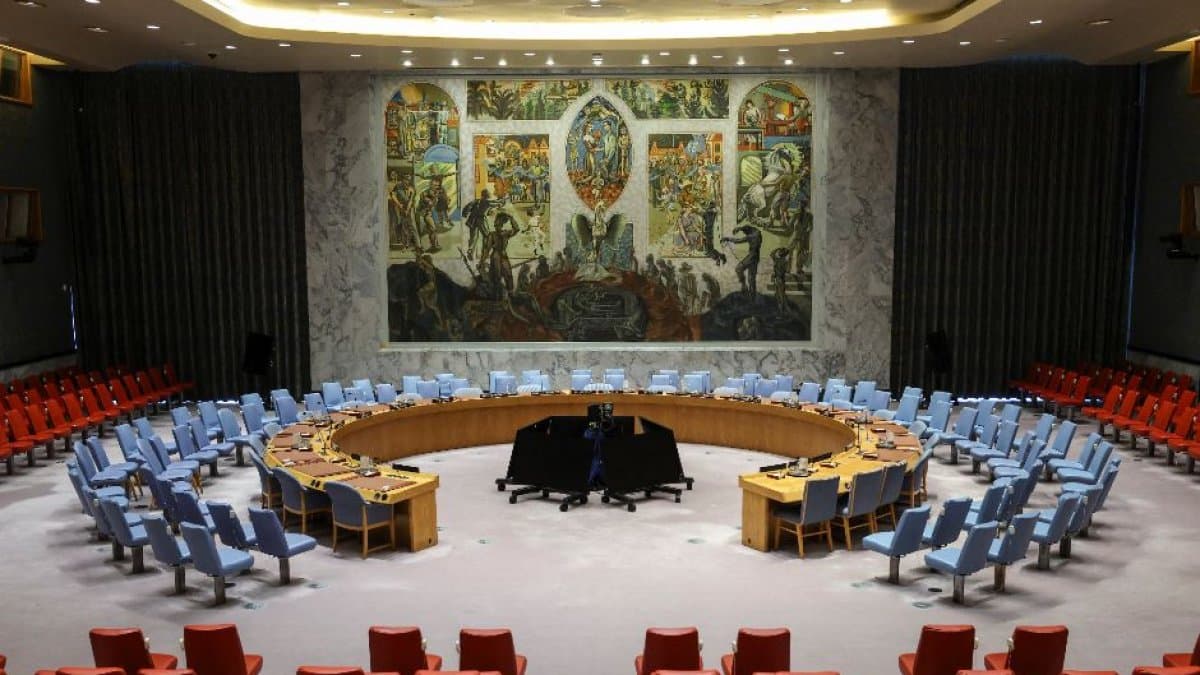
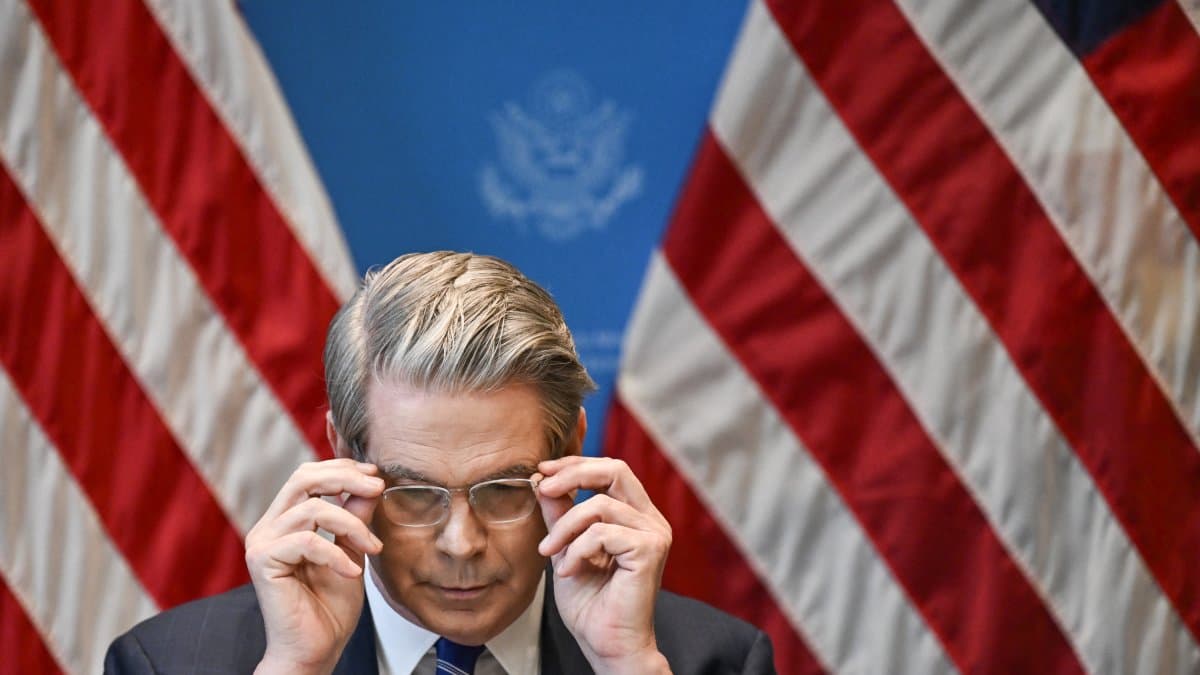
Iranian regime ‘afraid of own people,’ US envoy says at emergency Security Council session
JNS (Jewish News Syndicate)
Yet, U.N. Watch, a nongovernmental organization that monitors the performance of the United Nations, found, “Out of 87 Special Procedures, only five issued or endorsed an official statement condemning the regime’s crackdown.”
One statement published on Jan. 13, about two and a half weeks into the violence, was signed by five U.N. Special Rapporteurs: Mai Sato, Morris Tidball-Binz, Irene Khan, Gina Romero, and Richard Bennett.
Aside from this statement, there have been only a few posts on X, which U.N. Watch criticized as an “extremely weak response” given the scale, severity and barbarity of the government’s actions.
“This silence is not the result of institutional paralysis. Rather, it reflects a pattern of selective engagement and politicized mandate overreach by U.N. human rights experts,” U.N. Watch said.
In contrast, U.N. experts are quick to condemn the U.S. and Israel.
On Jan. 7, four days after U.S. forces arrested Venezuelan President Nicolas Maduro, 19 U.N. experts signed an official statement “strongly condemning” the move, U.N. Watch said.
On June 5, 2020, less than two weeks after the police killing of George Floyd in Minnesota, 27 U.N. experts called on the U.S. government to “address systemic racism in the criminal justice system.”
On Sept. 19, 2024, two days after Israel’s pager attack on Hezbollah terrorists in Lebanon, 22 U.N. experts condemned Israel for “terrifying” violations of international law. On May 29, 2024, two days after an Israeli strike against Hamas sparked a fire in nearby civilian tents, 52 U.N. experts demanded “decisive international action to end the bloodshed in Gaza.”
U.N. Watch also pointed out that U.N. experts overreach their mandates. “U.N. experts routinely mobilize on issues far removed from their areas of responsibility while failing to respond to mass atrocities.”
On Oct. 3, 2025, 28 U.N. experts criticized the Trump peace plan for Gaza, despite having no mandate-related connection to Middle East peace negotiations, the group said.
Less than a week after Hamas’s Oct. 7, 2023, massacre of Israeli civilians, 50 U.N. experts issued a statement condemning both Hamas and Israel, demanding de-escalation, and blaming the violence on Israel’s “56-year-old occupation.”
“Signatories included mandate-holders on climate change, albinism, and country situations such as Cambodia, Eritrea, and Iran—mandates with no direct nexus to the conflict itself,” U.N. Watch said.
🛠 Do you think there is an error in this article?
Recommendations
LATEST