A turning point in the Middle East
Sirens in Israel signal not panic but hope for a region no longer dominated by the Iranian regime's imperial ambition.
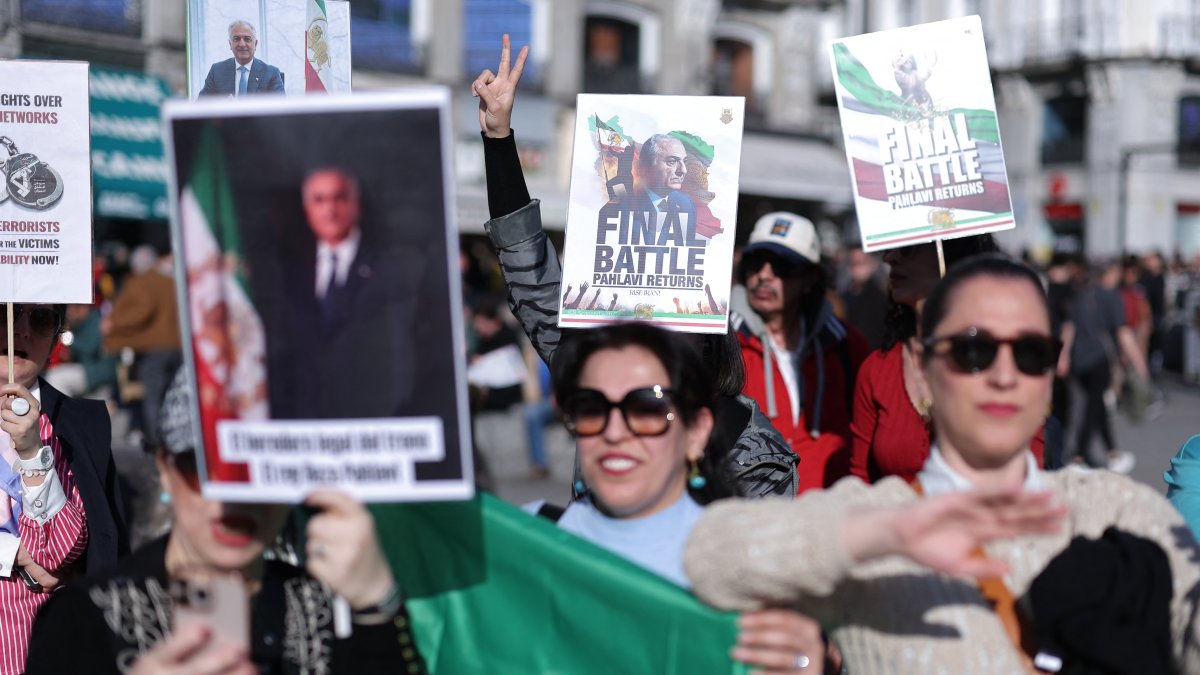
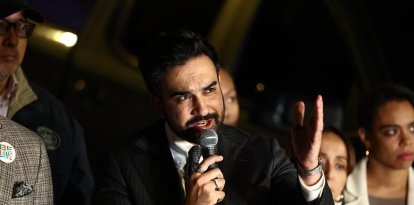
Protest against the Iranian regime/ Thomas Coex
The Shabbat sirens sent Israelis into shelters again and again, yet the atmosphere remained composed, almost resolved. The Israeli public understands that history sometimes accelerates suddenly, and that when it does, hesitation becomes more dangerous than action.
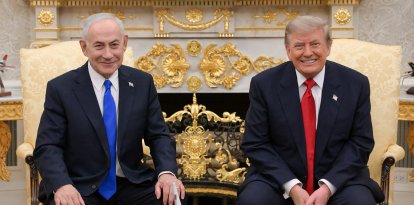
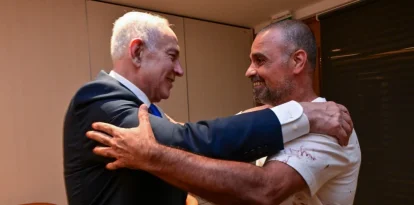
Prime Minister Benjamin Netanyahu framed the moment in stark terms: Israel is confronting a regime that for decades has killed Americans, shed Jewish blood and brutalized its own citizens, while striving for nuclear capability. The objective of this war is therefore not tactical but historical. It aims to end a permanent threat.
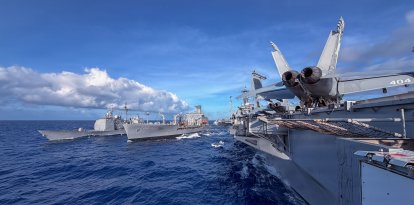
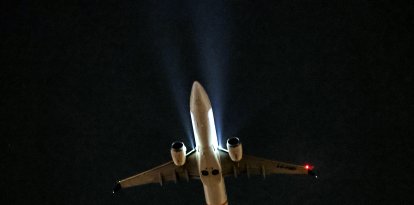
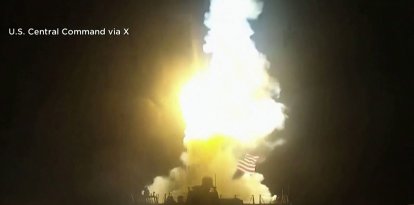
This is what many observers fail to grasp. The American aircraft flying alongside Israeli jets above Tehran represent more than a military maneuver—they sketch a future Middle East no longer dominated by Iranian imperial ambition. Remove the permanent menace and diplomacy becomes possible, because negotiation without coercion can finally exist.
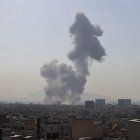
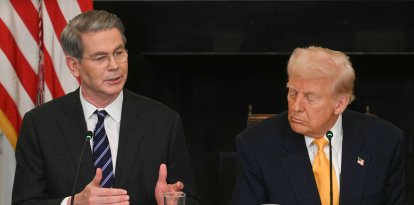
U.S. President Donald Trump could have delayed, accepted another partial nuclear arrangement, or relied on the Iranian regime’s promises regarding enriched uranium. Instead, he concluded that the danger had reached strategic clarity. The choice was not imposed by immediate necessity but by long-term responsibility: a decisive shift rather than endless postponement.
Iran’s power rests on a web—Hamas, Hezbollah, the Houthis and other proxies—combined with missiles and nuclear ambition aimed far beyond Israel. Ending that network reshapes global security, not merely regional stability. Israel functions as the forward shield, but the consequences reach Europe, the Gulf and beyond.
The reaction across the Middle East already reflects this. States long threatened by Tehran quietly align. A broader architecture emerges—from the Gulf to India and the Eastern Mediterranean—built on shared interests rather than shared fear. Even global rivalries, including Russia’s reliance on Iranian weapons, feel the tremor.
Europe hesitates, speaking the language of concern rather than judgment. Yet history rarely offers moral symmetry.
The Iranian people themselves show the clearest understanding, risking their lives to celebrate blows against their oppressors. Their courage exposes the true dividing line.
This moment is therefore exceptional: nations acting not merely for advantage but to dismantle a system of intimidation and fear. Recognition may come slowly. But the possibility of a freer Middle East has already appeared. Once visible, it cannot easily disappear.
LATEST