






Iranian regime ‘afraid of own people,’ US envoy says at emergency Security Council session
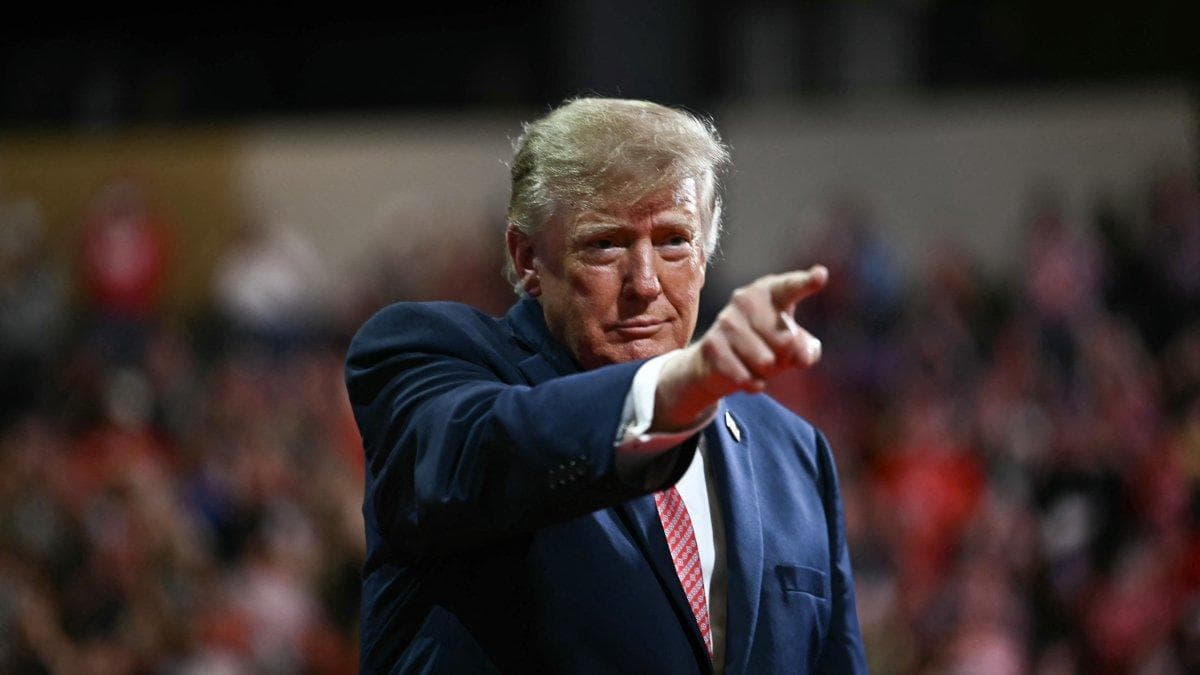
“President Trump is a man of action, not endless talk like we see at the United Nations,” Mike Waltz said.
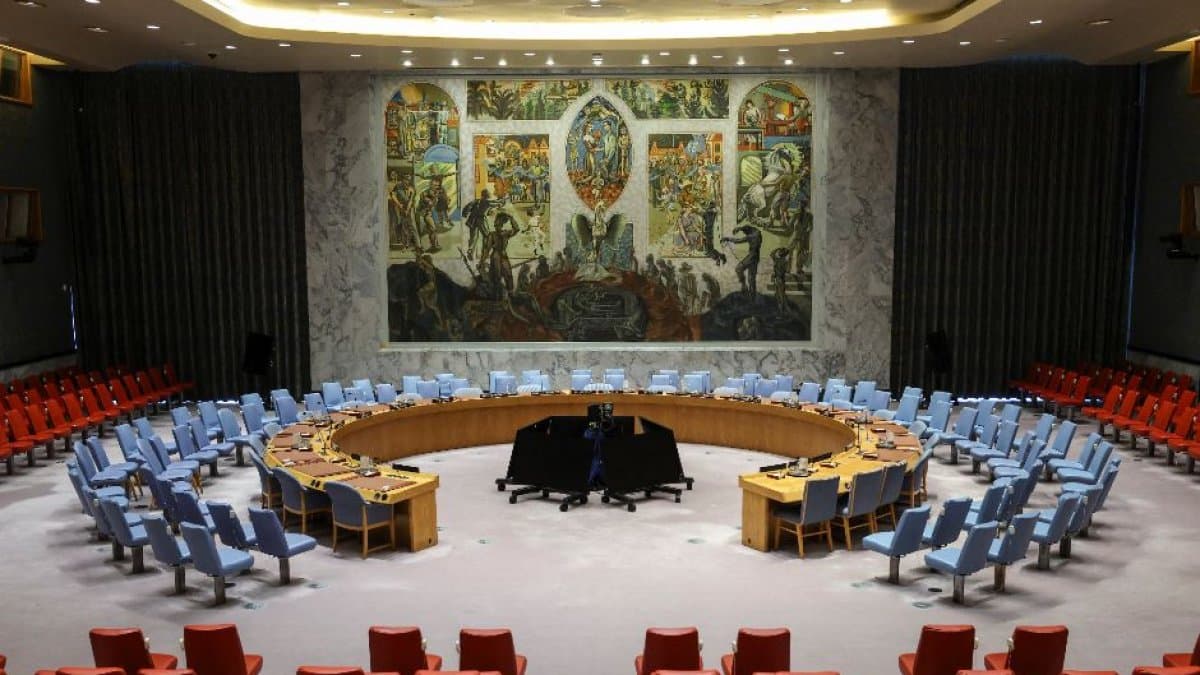

A day after U.S. President Donald Trump appeared to temper his threats to strike the Iranian regime, Mike Waltz, U.S. ambassador to the United Nations, said on Thursday that in Iran, “all options are on the table to stop the slaughter.”
Washington called for the emergency session of the U.N. Security Council amid the Iranian government’s brutal crackdown on protesters in the streets, expressing frustration with a collapsing economy.
Reported death tolls since the protests began on Jan. 8 vary wildly, and U.S. officials have not shared estimates publicly.
“President Trump is a man of action, not endless talk like we see at the United Nations,” Waltz said.
Those comments came a day after Trump told reporters that he received assurances from the Iranian regime that the crackdown was lessening in intensity, and that mass executions would not continue.
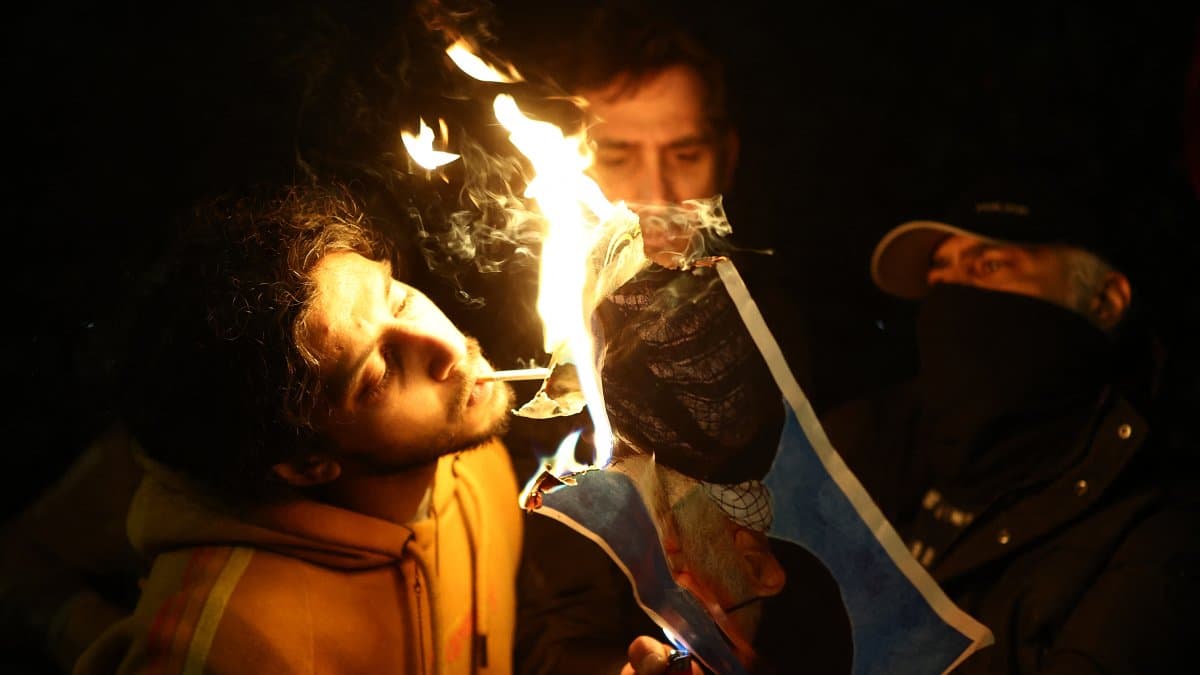
Waltz sought to dispel regime claims that foreign forces stirred up the protests and fired on security forces.
“Everyone in the world needs to know that the regime is weaker than ever before and therefore is putting forward this lie because of the power of the Iranian people in the streets,” Waltz told the council. “They are afraid of their own people.”
Iran’s foreign minister said early in the week that the Islamic Republic seeks dialogue with the Trump administration. Waltz said that its “actions say otherwise.”
“This is a regime that rules through oppression, through violence and through intimidation and has destabilized the Middle East for decades,” he said. “Enough is enough.”
Gholamhossein Darzi, deputy Iranian ambassador to the United Nations, accused Waltz of resorting to “lies, distortion of facts and a deliberate misinformation campaign to conceal his country’s direct involvement in steering unrest in Iran to violence.”
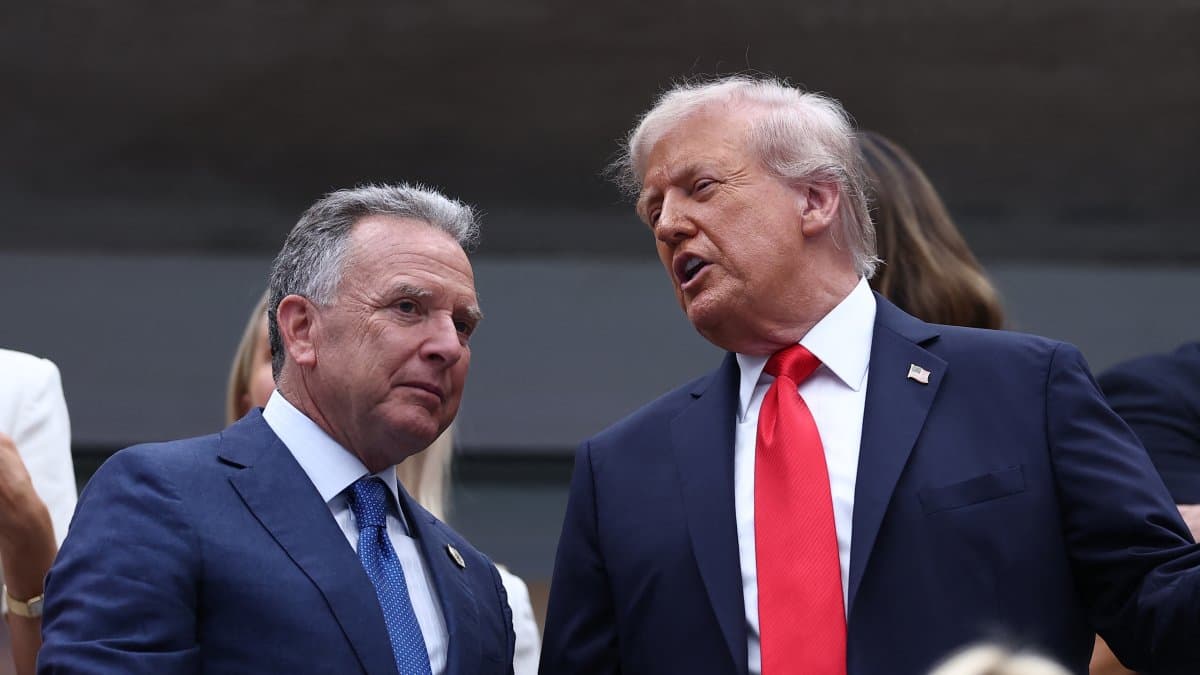
Darzi blamed Washington and Jerusalem for stoking the protests.
“Any act of aggression, direct or indirect, will be met with a decisive, proportionate and lawful response,” the Iranian envoy said. “This is not a threat. It is a statement of legal reality.”
Russia backed Iran, with Vassily Nebenzia, the Russian ambassador to the United Nations, stating that Washington aims to “justify blatant aggression and interference in the internal affairs of a sovereign state.”
Two Iranian dissidents addressed the council.
Masih Alinejad, a journalist who survived Iranian assassination plots against her in the United States, said the millions of Iranians suffering under the regime need “real and concrete action.” The United Nations has failed to do so “with the urgency this moment demands,” she said.
Alinejad addressed Darzi directly. “You have tried to kill me three times,” she told the Iranian diplomat. “I live with survivor’s guilt, because many Iranians do not have the same protection.”
Ahmad Batebi, a human rights activist and journalist, said he was sentenced to death and held in solitary confinement for two years for protesting. He called Iran’s leadership “a demonic cult.”
“When you fight with our regime, it means you fight with God,” Batebi said. “Your punishment is death.”
Danny Danon, the Israeli ambassador to the United Nations, was not invited to speak at the meeting.
“The Islamic regime in Iran is pulling a familiar trick—a violent regime that cherishes and spreads terror tries to make itself a victim,” he said afterwards. “The Iranian regime harms its own people and blames others.”
🛠 Do you think there is an error in this article?
Recommendations
LATEST