Khamenei: Nuclear deadlock with US ‘unsolvable’
The ayatollah’s comments come amid a European deadline for reaching a nuclear deal by the end of August.
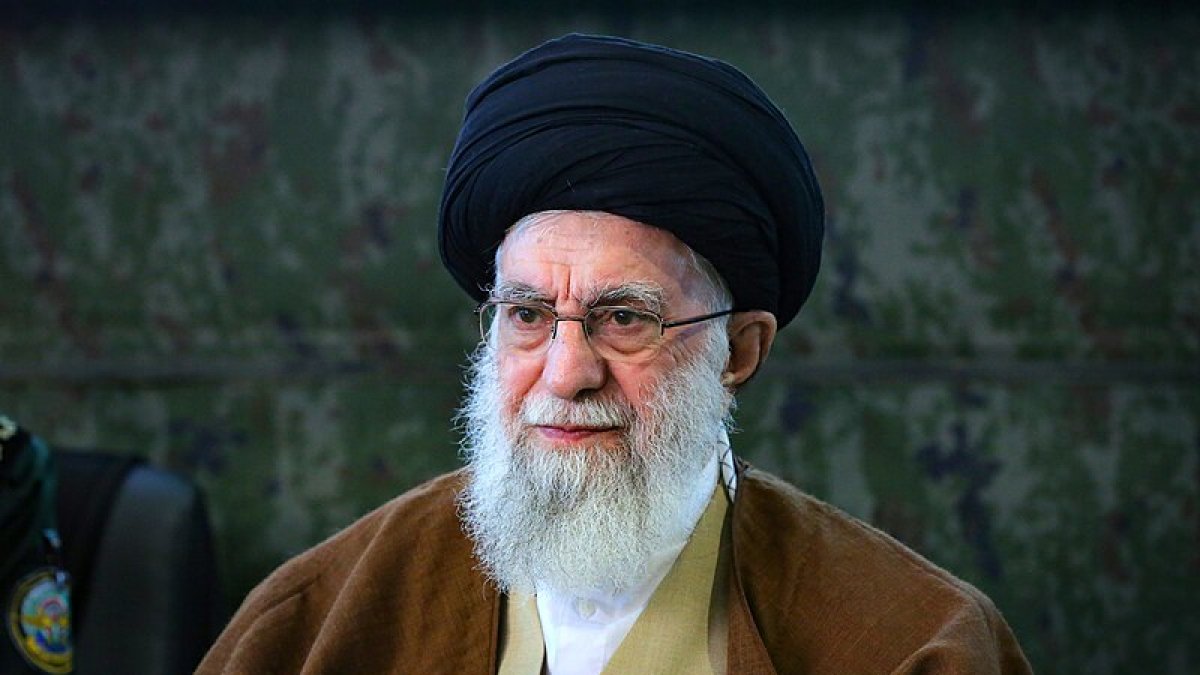
Iranian Supreme Leader Ali Khamenei

Iran’s tensions with Washington over its nuclear program are “unsolvable,” state media on Sunday quoted Supreme Leader Ayatollah Ali Khamenei as saying.
“They want Iran to be obedient to America. The Iranian nation will stand with all of its power against those who have such erroneous expectations,” Reuters cited Khamenei as saying.
“People who ask us not to issue slogans against the U.S., … to have direct negotiations with the U.S., only see appearances. … This issue is unsolvable,” he added.
Iran and the United States have held several rounds of talks on restarting economic relations, with the Trump administration insisting that Tehran dismantle its nuclear program.
Negotiations collapsed, however, in the wake of Israel’s 12-day war with the Islamic Republic in June.

Khamenei’s remarks come on the backdrop of Iran’s agreement with European powers on Friday to resume talks over its nuclear enrichment operations.
Due to Iran’s past violations of its nuclear treaty obligations, it could face “snapback” sanctions by the United Nations—a tool that France, Britain and Germany have warned they could reactivate at the end of August.
The snapback mechanism is included under the 2015 Iran nuclear deal, from which the United States withdrew in May 2018, and would reimpose sanctions lifted under it and enact new penalties against the regime.
Enacting snapback sanctions would include extending the arms embargo on the regime indefinitely, despite the Aug. 14 rejection by the U.N. Security Council of a U.S.-led resolution to extend the embargo.
On Friday, Reuters reported, German Foreign Minister Johann Wadephul confirmed that Iran will return to the negotiation table on Aug. 26 and warned that sanctions would snap back into effect unless a verifiable and durable nuclear deal is reached.
He reiterated that Iran was running out of time to reach an acceptable agreement.
According to Iranian state media, Foreign Minister Abbas Araghchi, during a phone call with European counterparts, “emphasized the legal and moral incompetence of these countries to resort to the [snapback] mechanism, and warned of the consequences of such an action.”
Talks will restart in Geneva on Tuesday with the deputy foreign ministers of the European powers, knowns as the E3, AFP reported, citing Iran’s state broadcaster.
While insisting publicly that its nuclear program is developed only for civilian purposes, Iran’s enriched uranium to a level a short technical step from weapons grade.
Iran has openly declared its goal to annihilate the State of Israel. In the 12-day June war, the Israel Defense Forces targeted Iranian nuclear sites and targeted and killed dozens of nuclear scientists and senior Iranian officials.

JNS
US should designate Muslim Brotherhood a terror org, White House adviser says
JNS (Jewish News Syndicate)
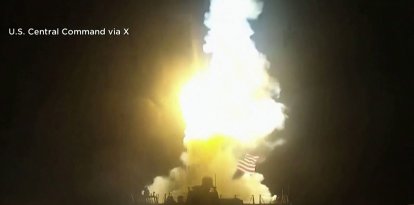
The Trump administration joined Israel’s attacks on Iran, dropping 30,000-pound GBU-57 massive ordnance penetrator bombs on the Fordow and Natanz nuclear sites on June 22 as part of “Operation Midnight Hammer.” Jerusalem and Washington said that the strikes set back Iran’s nuclear efforts by years.
The Islamic Republic has vowed to rebuild its nuclear program.
According to the 2015 Joint Comprehensive Plan of Action (JCPOA) agreement, the snapback mechanism is set to expire on Oct. 18.
“We have made clear that if Iran is not willing to reach a diplomatic solution before the end of August 2025, or does not seize the opportunity of an extension, the E3 are prepared to trigger the snapback mechanism,” foreign ministers Jean-Noël Barrot of France, David Lammy of Britain and Johann Wadephul of Germany stated in a letter, seen by AFP, addressed to U.N. Secretary-General António Guterres and the U.N. Security Council earlier in August.
Pete Hegseth removes Defense Intelligence chief and other top officials months after controversial assessment on Iran strike
Defense Department sources confirmed to Fox News Digital and The New York Times that Kruse will step down as head of the agency months after a controversial preliminary report was leaked that questioned the effectiveness of strikes against nuclear facilities in Iran under the notorious Operation Midnight Hammer.
The report noted that the military operations ordered by President Donald Trump would only have delayed the Iranian nuclear program by a few months, in contrast to official White House statements, where it was insisted that the facilities had been "completely" destroyed.
According to the NYT, two congressional staffers said lawmakers were notified Friday of Kruse's dismissal, which allegedly came about because Secretary Hegseth had "lost confidence" in the senior official.
© JNS
LATEST