Nestlé plans to cut 16,000 jobs
News of the job cuts, representing nearly 6% of the workforce, boosted Nestlé’s share price, which rose 8.1% to 82.30 Swiss francs ($103.3) around 11:15 GMT on the Zurich Stock Exchange.

Nestlé headquarters

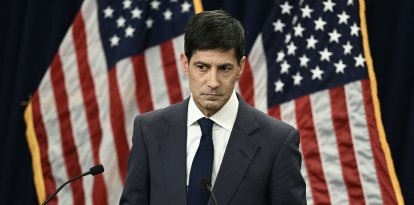
Nestlé’s new CEO, Philipp Navratil, announced 16,000 job cuts over the next two years while releasing the company’s results for the first nine months of 2025 on Thursday.
“The world is changing, and Nestlé needs to change faster,” which will involve “making hard but necessary decisions to reduce headcount over the next two years,” Navratil, who took over in September, said in a statement.
News of the job cuts, which amount to nearly 6% of the workforce, boosted Nestlé’s share price. By around 11:15 GMT, shares were up 8.1%, trading at 82.30 Swiss francs ($103.3) on the Zurich Stock Exchange.
The Swiss food giant, which has a strong presence in Latin America, reported a 1.9% decline in sales to 65.9 billion Swiss francs ($83 billion).
The downsizing program includes the elimination of 12,000 administrative positions across various functions and regions. Nestlé said this will save 1 billion Swiss francs annually through the end of 2027.

Economy
Stellantis, the maker of Jeep, announced a record $13 billion investment in the US to offset the costs of the tariffs
Emmanuel Alejandro Rondón
This will be in addition to 4,000 jobs already slated for elimination as part of ongoing initiatives to streamline production and the supply chain, the company added.
The food conglomerate, which owns more than 2,000 brands including Nescafé, Maggi, and KitKat, experienced a turbulent September at the top.
Its former CEO, Laurent Freixe, was dismissed over a "love affair" with a subordinate, while chairman Paul Bulcke, a Belgian, announced his departure from the company.
Financial analysts expect that Navratil, who previously led Nespresso, will succeed in restoring stability to the group.
Rising prices
The decline in total sales was partly due to exchange rate fluctuations, while organic sales—excluding currency effects—rose 3.3% in the first nine months of 2025, driven by a 2.8% price increase.
LATEST