Supreme Court temporarily halts order forcing Trump's foreign aid spending
The move provides more time to evaluate the case and, for now, aligns with the president's effort to halt the use of those funds.
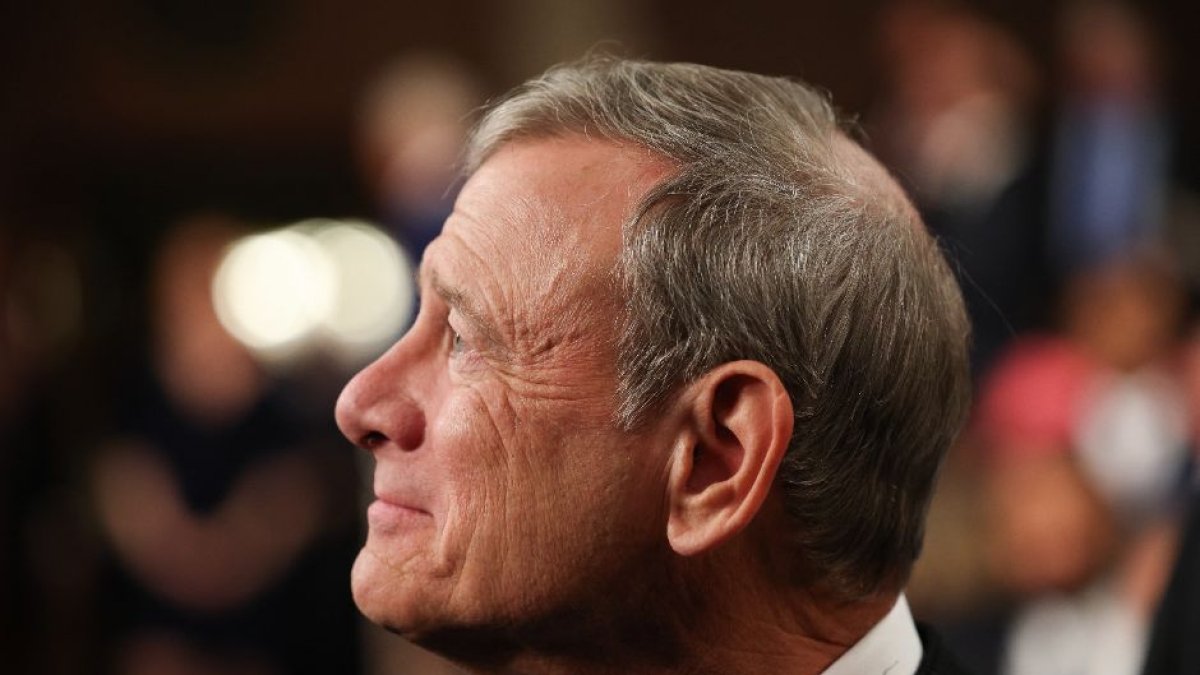
Chief Justice John Roberts of the U.S. Supreme Court.

Chief Justice John Roberts ordered a temporary halt to the Trump administration's spending $5 billion on foreign aid. The move gives the Supreme Court more time to evaluate the case and, for now, fell in line with President Donald Trump's effort to halt the use of those funds.
A pause while the Court evaluates
The administrative stay, announced this week, does not resolve the merits of the dispute, but it freezes the lower order that forced the Executive branch to release the money. Roberts set a deadline of noon Friday for the plaintiff organizations -international aid groups - to present their arguments.
Congress approved the money in question for foreign assistance initiatives, U.N. peacekeeping operations and democracy promotion programs outside the United States. However, if not spent by September 30, 2025, those resources will expire.
The Trump administration's position
In court documents, the Trump administration argued that at least $4 billion of the funds run counter to U.S. foreign policy and contradict the "America First" agenda. That vision sought to reduce reliance on international programs and focus spending on domestic priorities.
The administration has also resorted to the so-called "pocket rescission," a budget mechanism that would allow it to block part of the funds without going through Congress. In addition, this year, Trump decided to dismantle much of the U.S. Agency for International Development (USAID).
The ongoing legal battle
In response, the White House reported in August that it planned to release $6.5 billion of the disputed funds. However, it maintained its intention to block at least $4 billion under the figure of rescission.
LATEST