






Trump takes tariff battle to Supreme Court after court setback
Solicitor General D. John Sauer asked the justices of the nation's highest court to consider the case on an urgent basis to allow for oral hearings in early November.
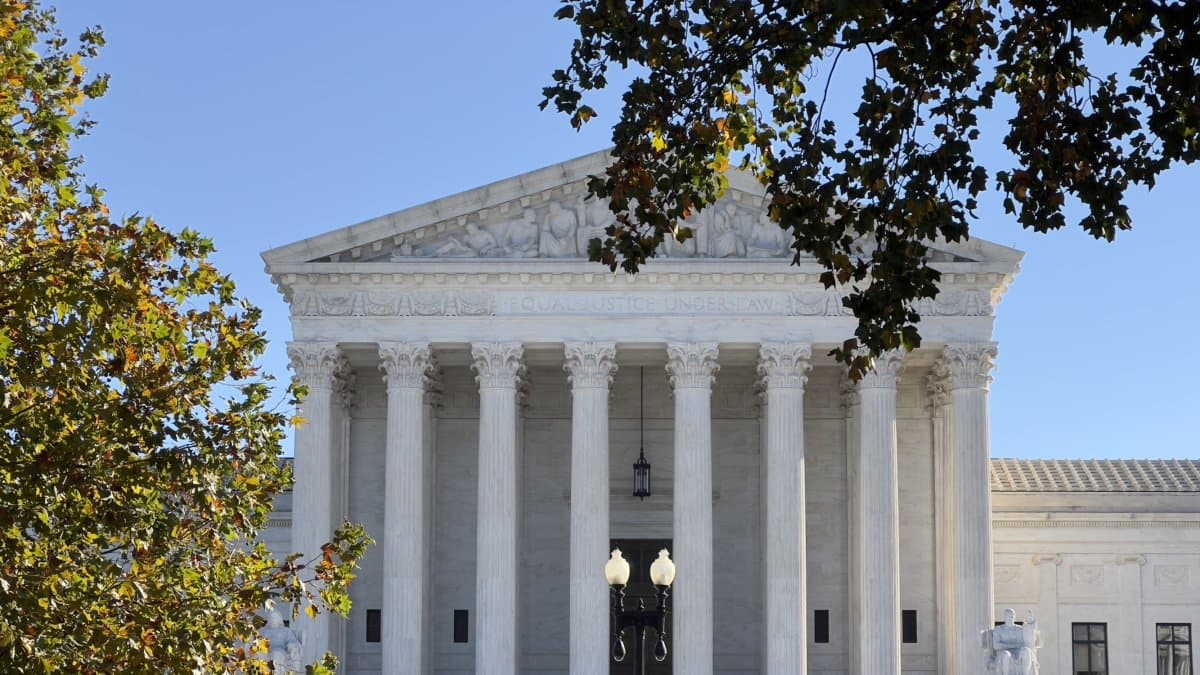

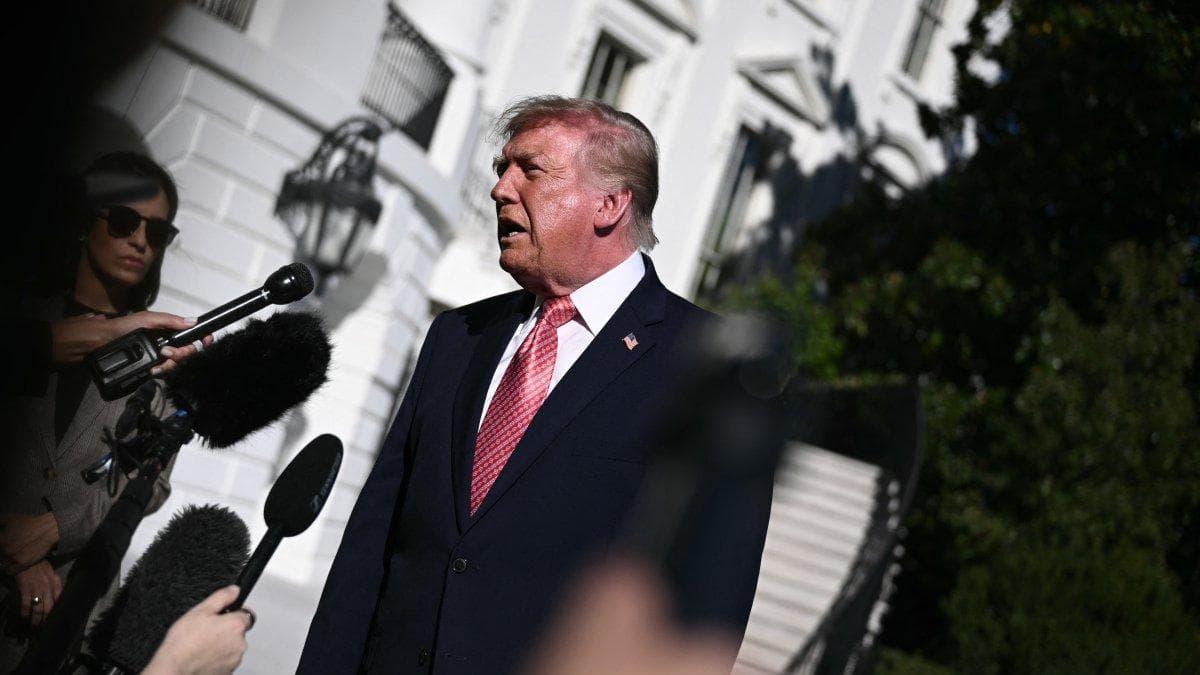
President Donald Trump on Wednesday asked the Supreme Court to promptly define whether it has the power to impose broad tariffs under the International Emergency Economic Powers Act, following a court setback that questioned its authority over the country's tariff policy.
The appeal to the high court comes after the Court of Appeals for the Federal Circuit, in a split 7-4 ruling, concluded last Aug. 29 that President Trump had exceeded his powers by invoking the emergency rule to set open-ended global tariff rates. The ruling, which represented a major setback for Trump's goals, keeps the tariffs in place until October 14.
The Trump Administration, however, filed two briefs with the Court: a formal appeal and a motion to expedite the process. In the latter, Solicitor General D. John Sauer asked the justices of the nation's highest court to consider the case on an urgent basis to allow for oral hearings in early November.
"The erroneous decision has disrupted highly impactful, sensitive, ongoing diplomatic trade negotiations, and cast a pall of legal uncertainty over the President’s efforts to protect our country by preventing an unprecedented economic and foreign-policy crisis," Sauer argued.
Treasury Secretary Scott Bessent also expressed the importance of a quick ruling, warning that a delay on the case could end up "derailing critical ongoing negotiations with our foreign trading partners and threaten broader U.S. strategic interests internationally."
According to NBC News, the plaintiffs against the tariffs include wine and spirits importing companies, as well as pipe and fittings manufacturers, supported by the Liberty Justice Center.
The organization's attorney, Jeffrey Schwab, asserted that: "These unlawful tariffs are inflicting serious harm on small businesses and jeopardizing their survival. We hope for a prompt resolution of this case for our client". Twelve states also joined the lawsuit against Trump.
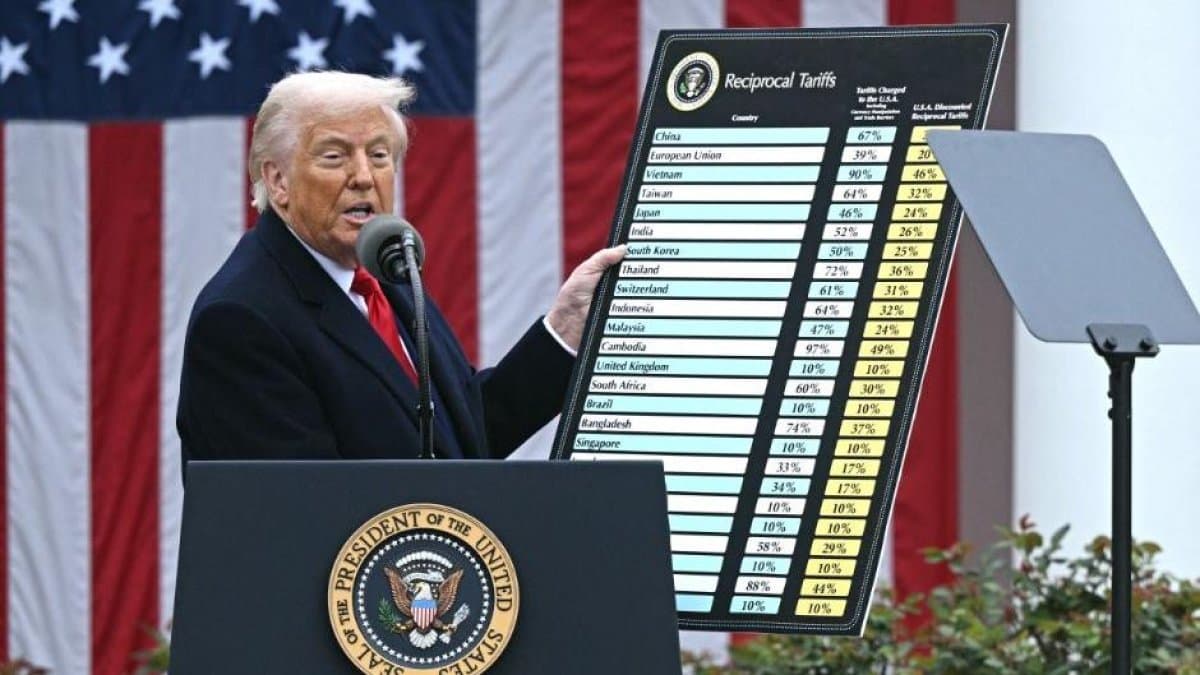
The case directly affects two types of tariffs: the so-called "reciprocal" tariffs, which establish differentiated rates depending on the country—34% for China and a basic 10% for the rest of the world—, and a tariff of 25% on certain products from Canada, China and Mexico for what the federal government considers an alleged lack of action against fentanyl trafficking.
Although the Supreme Court has a certain conservative tilt, including three Trump-appointed justices, in practice the high court has been very cautious in ruling on complex cases, such as may be the overall tariffs. In fact, under the so-called "major questions doctrine," the high court has previously limited the use of extraordinary powers not explicitly authorized by Congress.
🛠 Do you think there is an error in this article?
Recommendations




LATEST