






Bessent defended the acquisition of 10% of Intel as a "strategic necessity"
The Treasury secretary argued that the pandemic exposed the country as highly vulnerable to abrupt supply chain changes in key industries.
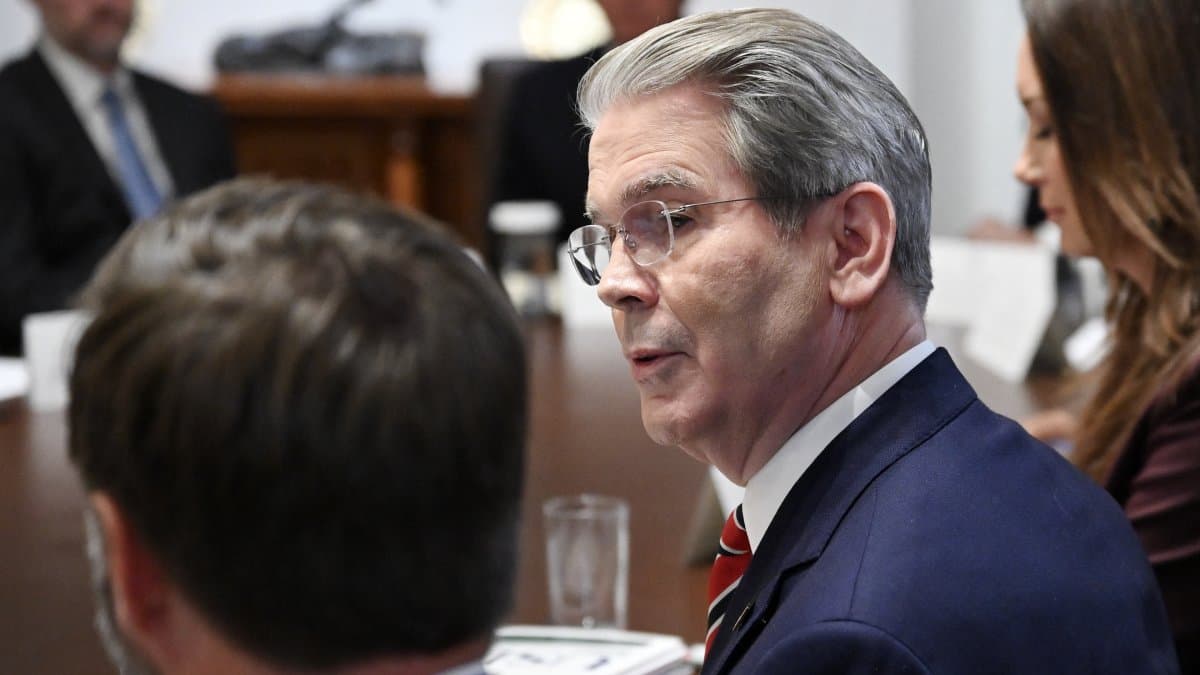

Scott Bessent defended the acquisition of 10% of Intel, ticking off the "strategic necessity" behind the decision. The Treasury secretary spoke on Fox Business with Maria Bartiromo about the deal reached between the Trump Administration and the microchip company. The deal for the stake was in exchange for money previously appropriated under the CHIPS and Science Act, signed into law by Joe Biden in 2022, with additional funding added.
Despite having previously asked for the resignation of the company's CEO, Lip-Bu Tan, Donald Trump and the executive subsequently met along with other cabinet members. Days later, news of the acquisition was released.
The president announced the deal last August 23. He stressed that the value of the shares was approximately US$11 billion.

Updates
Intel, the largest chipmaker, agrees to sell 10% of its shares to the U.S. Government
Luis Francisco Orozco
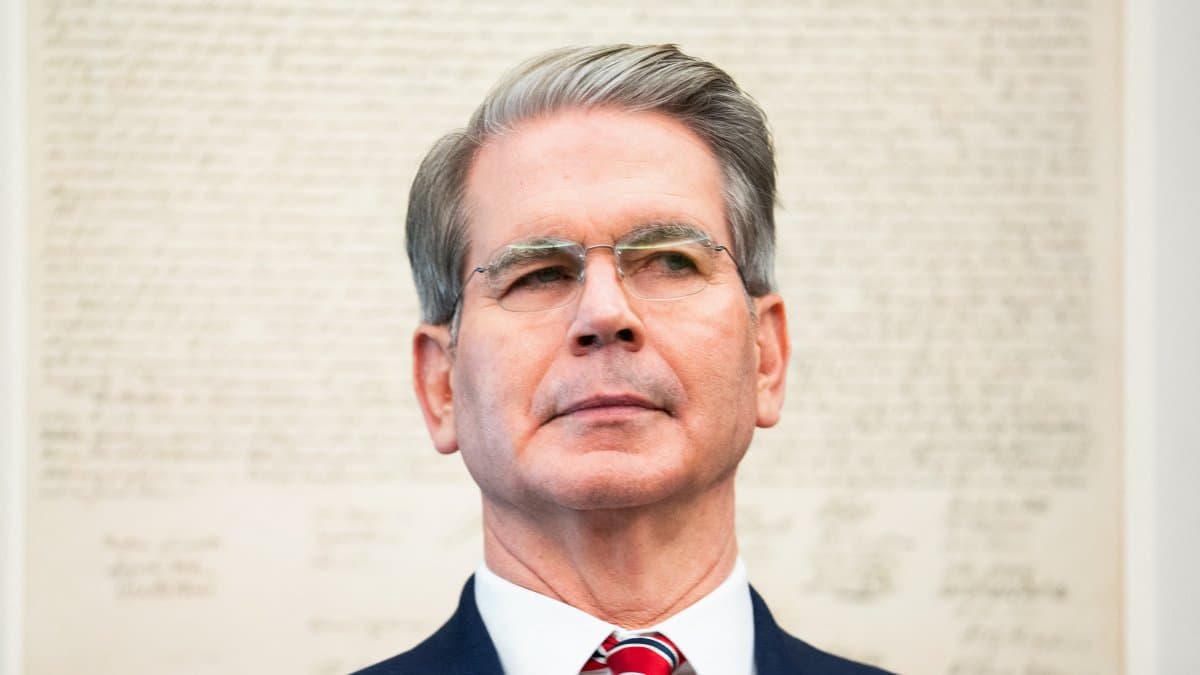
When asked by Bartiromo about possible contradictions with a market economy, the Treasury secretary said that this is a "strategic necessity" for the United States, given that Intel is the largest chip manufacturer in the country.
He argued that the pandemic exposed the country as highly vulnerable to abrupt supply chain changes in key industries.
"One of the things we learned during COVID was that the United States has five to seven strategic vulnerabilities in critical industries, and President Trump has set about de-risking that," he explained.
.@SecScottBessent: "President Trump is going to be the only president in modern times who creates assets for the American people rather than debt... He saw that Intel had been given grants, and wanted to know why the American taxpayer wouldn't participate in the upside." pic.twitter.com/FKs0Da9Mjq
Bessent also stressed that the decision involves a paradigm shift in the way government spending on the private sector is viewed, going beyond subsidies. Trump is proposing that the government have a stake in the profits of companies that receive subsidies, as if it were an investor.
"President Trump is going to be the only president in modern times who creates assets for the American people rather than debt. And, we looked; he saw that Intel had been given grants and wanted to know why the American taxpayer wouldn't participate in the upside. So there's $11 billion of immediate value. And I think there's a very good chance here that it could be much more," he continued.
He also did not rule out similar deals with companies in other strategic industries: "I don't think Nvidia needs financial support. So, you know, that seems, not on the table right now, but could there be other industries, where you know, that we're reshaping, something like shipbuilding? Sure. There could be things like that. And these are critical industries that we have to, we have to be self-sufficient in the United States."
Howard Lutnick, the Commerce secretary, stated something similar in an interview with CNBC: "We can't be dependent on Taiwan, which is 9,500 miles from us and only 80 miles from China. You can't have 99% of the state-of-the-art chips made in Taiwan."
🛠 Do you think there is an error in this article?
Recommendations





LATEST