






The US applies tariffs of 93.5% on Chinese graphite, an indispensable material for the manufacture of electric car batteries
With the decision, the automotive sector takes another blow, especially companies such as Tesla and Ford Motor.
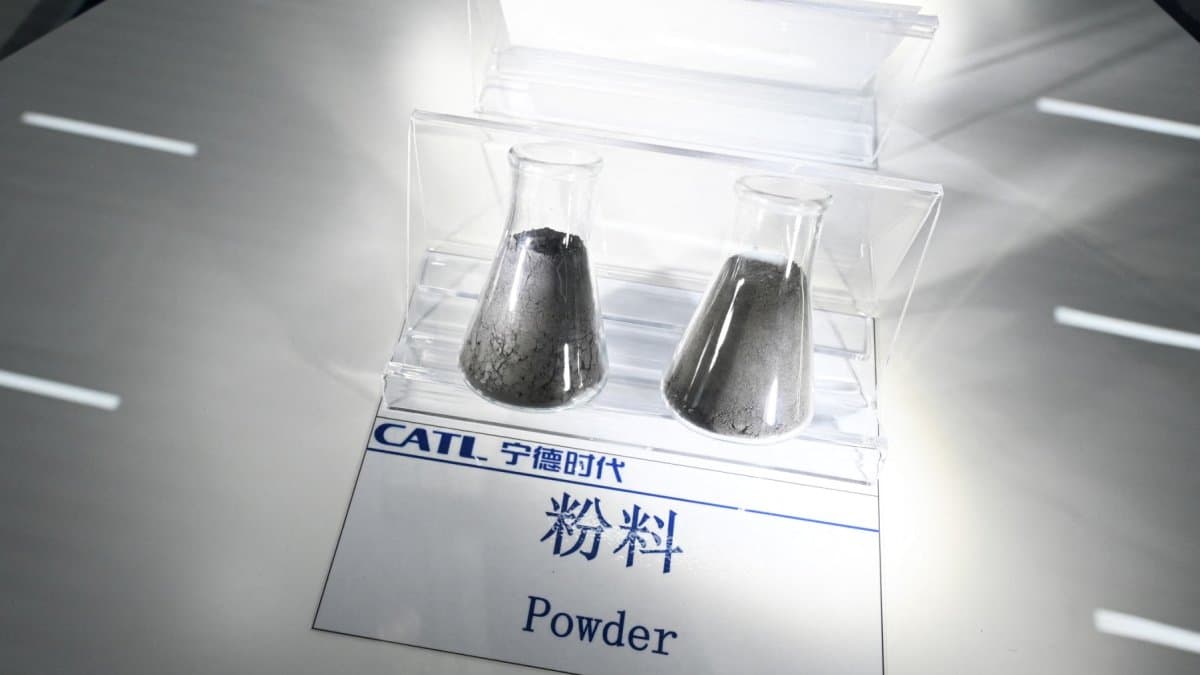

The Department of Commerce formally imposed a stiff tariff on Chinese graphite, a critical material for manufacturing batteries for electric cars.
Through a preliminary ruling, the Department of Commerce reported that authorities determined that Chinese suppliers are guilty of "dumping", that is, selling products in another country at an artificially low price, far below the local market. For this reason, the Trump administration decided to impose a tariff of 93.5%. This measure will undoubtedly affect companies such as Tesla and Ford Motor, as well as battery suppliers like Panasonic and LG Energy Solution, which have recently opened factories in the US.
According to The New York Times, Panasonic began producing battery cells this week at a new plant in De Soto, Kansas, which plans to employ 4,000 people. Also, LG is manufacturing batteries in Tennessee and other states, so a noticeable rise in its import costs could hit its business hard.
The NYT also reported that, according to Panasonic data, graphite accounts for less than 8% of the total cost of a battery, but the batteries themselves are the most expensive component of an electric car.
Thus, doubling the cost of graphite could result in an increase of $1,000 or more to the final price of a battery, which in turn would hinder electric cars, which have already suffered from increases due to import costs added by the Trump administration to various vehicle parts.
The move comes despite Tesla and other companies filing objections to a petition for new tariffs filed by American Active Anode Material Producers, a group of U.S. and Canadian graphite suppliers that petitioned the Trump administration.
In fact, in a February missive, Tesla reported that it already had agreements with U.S. graphite suppliers to source its production, but that they had not yet demonstrated their technical ability to produce it in large quantities at the required level of purity.
The Chinese graphite tariffs measure also comes just as Elon Musk began publicly questioning President Donald Trump following his departure from the administration.
🛠 Do you think there is an error in this article?
Recommendations


LATEST