ANALYSIS
The European Parliament awards the Sakharov Prize to the ICC amid tensions with US and Israel
European Parliament President Roberta Metsola announced Thursday in Strasbourg that the 2026 prize goes to the ICC and its staff, a decision that comes weeks after the Trump administration announced new sanctions against the court in The Hague.
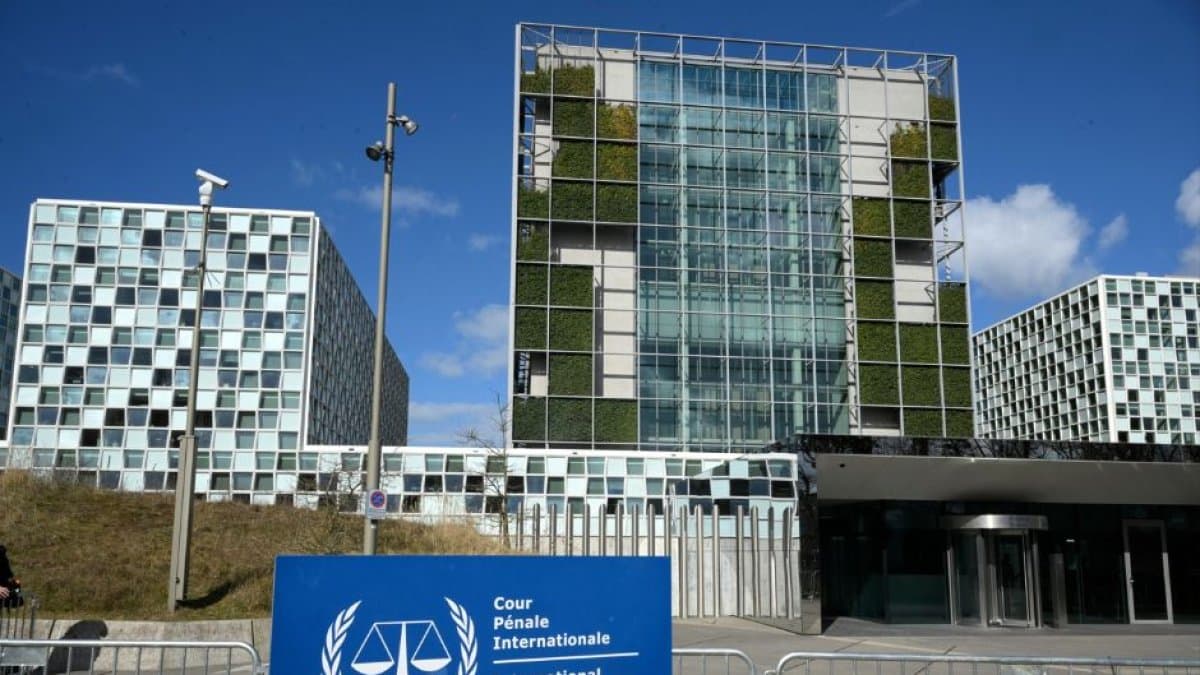

The European Parliament has awarded its Sakharov Prize to the International Criminal Court (ICC), an institution that Washington considers politicized and which issued arrest warrants against Israeli Prime Minister Benjamin Netanyahu, and former Defense Minister Yoav Gallant. For many American conservatives and pro-Israel advocates, the award confirms that the ICC has become less of a court of justice and more of a tool for exerting political pressure against U.S. allies.
European Parliament President Roberta Metsola announced Thursday in Strasbourg that the 2026 prize goes to the ICC and its officials, a decision that comes weeks after the Trump administration announced new sanctions against the court in The Hague. Metsola defended the award as a show of support for multilateralism and international justice.
The ICC expressed gratitude for the award "at a time when the court and its members face unprecedented challenges." Its president, Japan's Tomoko Akane, stated that the award reaffirms the importance of independent judicial institutions.
JNS
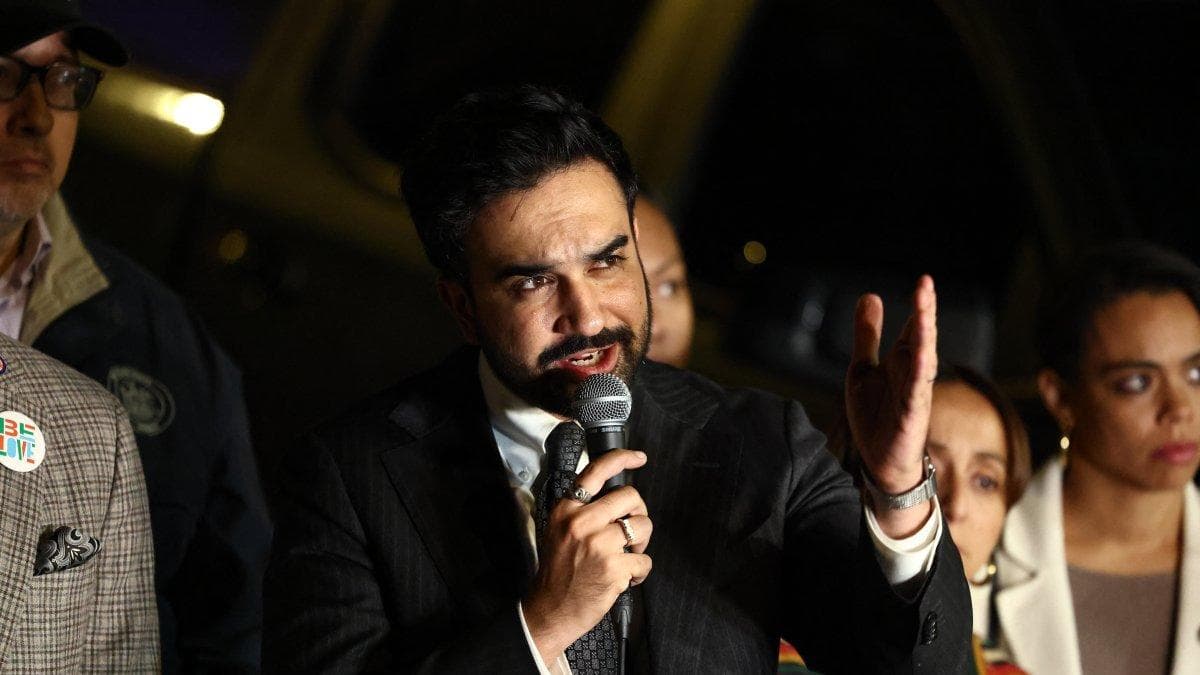
Mamdani again accuses Israel of ‘genocide’ in statement about IDF detaining Brad Lander at Judea olive harvest
JNS (Jewish News Syndicate)
A court under U.S. pressure
The Trump administration announced on Oct. 9 sanctions against the ICC aimed at hindering its operations, including its access to financial and technological services and the U.S. dollar. These measures come on top of previous sanctions against the court's judges and prosecutors.
Washington maintains, neither of which is a party to the Rome Statute, the treaty that established the court. The administration is also demanding the withdrawal of the arrest warrants against Netanyahu and Gallant, issued in 2024 for alleged war crimes and crimes against humanity in Gaza.
Secretary of State Marco Rubio has promised to dismantle the ICC "brick by brick." This is not about attacking international justice in the abstract, but about preventing an unelected body with no democratic accountability from prosecuting leaders of allied democracies while largely allowing authoritarian regimes and terrorist groups to go unpunished.

The underlying problem: double standards
The warrant against Netanyahu comes in the wake of the Oct. 7, 2023, attack by Hamas, in which the Palestinian terrorist organization killed some 1,200 Israelis and kidnapped more than 240 people. For supporters of Israel, the ICC reverses the moral logic of the conflict by placing on equal footing a democratic state defending itself against a terrorist organization that uses civilians as human shields, and the leaders of that very organization.
The ICC maintains that it investigates the most serious crimes and acts as a court of last resort when national judicial systems are unable or unwilling to do so. But its critics point out that the court has devoted disproportionate attention to Israel, while its ability to prosecute actors such as the Iranian regime, Russia, China, or Hamas remains limited or nonexistent.
The Sakharov Prize, established in 1988 in honor of the Soviet dissident Andrei Sakharov, was designed to recognize the struggle for human rights and democracy. For its critics, the European Parliament's decision to award the Sakharov Prize to a court that Washington accuses of politicization amounts to institutional support for the ICC and a gesture of opposition to Trump's policies.
Brussels sides against Washington
The decision also comes after former South African ICC judge Navi Pillay received the Nobel Peace Prize, an honor that the Trump administration described as unworthy. For Brussels, both awards reinforce its message of support for The Hague; for the White House and its pro-Israel allies, they highlight an international bureaucracy that is increasingly out of step with the security priorities of the United States and Israel.
🛠 Do you think there is an error in this article?
Recommendations





LATEST