State Department orders diplomats to leave Saudi Arabia, reduces staff in rest of Gulf region due to Houthi attacks
According to AFP, the measure also affects the families of embassy staff in the United Arab Emirates, Jordan, Qatar and Bahrain, although Washington described those reports as inaccurate.
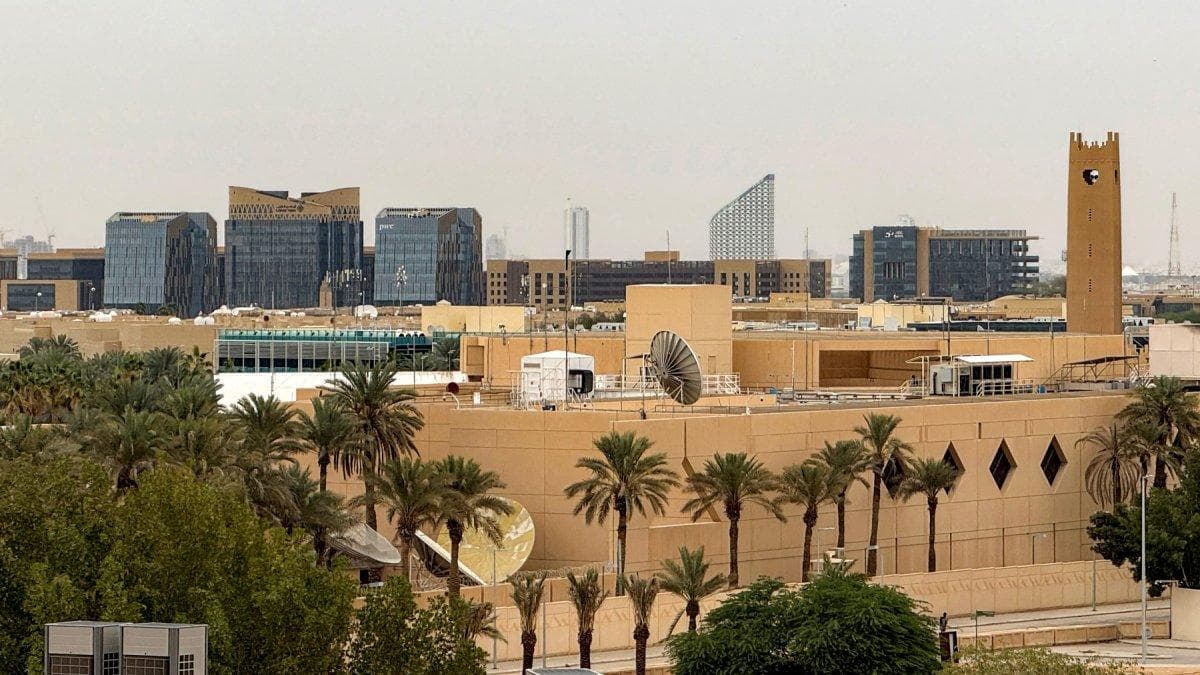

The United States will reduce its diplomatic presence in Saudi Arabia amid tensions, attacks and possible escalation with the Houthis.
The Department of State ordered non-essential employees at its embassy in Riyadh and its consulates in the country to leave, along with their families, in light of the increase in attacks by Yemen's Houthis on Saudi territory.
The decision was reflected in a new travel advisory, in which the department warned of the risk that the conflict could spread.
"Iranian-supported Houthis have engaged in hostilities against Saudi Arabia, including attacks on civilian airports and other critical infrastructure resulting in civilian casualties and severe travel disruptions. The hostilities have the potential to escalate rapidly beyond that immediate area," the text reads. A department spokesperson added that the safety of personnel and their families is the top priority as they return to the United States.
The formal order is limited to Saudi Arabia, but, according to reports from international news agencies, the wider region is not immune.
According to the AP, the State Department indicated that its embassies in other Gulf countries will undergo temporary personnel changes, although they were already operating with reduced staff. AFP, citing a diplomatic source, reported that Washington also ordered the evacuation of the families of employees at its embassies in the United Arab Emirates, Jordan, Qatar and Bahrain. Earlier, Reuters had reported that a similar measure was being prepared for several Gulf locations.
Politics
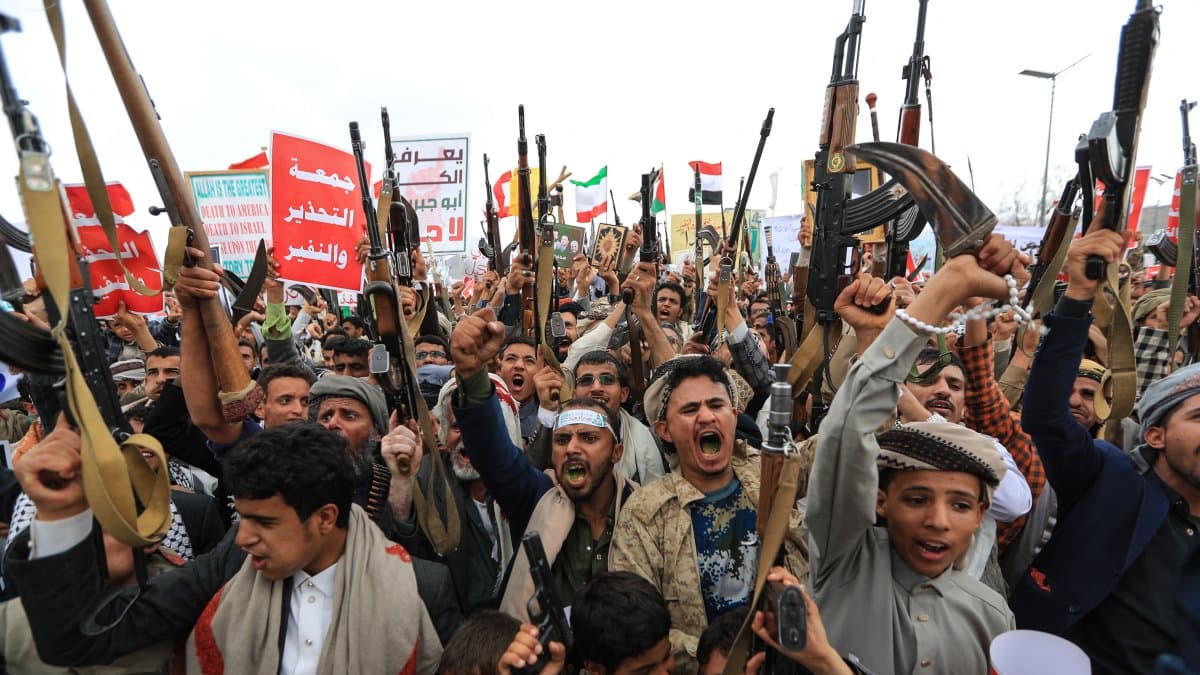
US embassy urges 'heightened vigilance' in Middle East amid escalating Houthi attacks
Williams Perdomo
Spokesperson Tommy Pigott denied those reports, calling them "inaccurate."
President Donald Trump, when asked about the matter, said he was not aware of it.
"I don’t know that they are. You are telling me something — I wouldn’t know that," he retorted.
The situation in Saudi Arabia has worsened since fighting with the Houthis resumed in mid-July. The Iran-backed terrorist group, which is waging war against the Riyadh-backed Yemeni government, has struck critical facilities within the kingdom. King Khalid International Airport, in the capital, had been closed since Oct. 10 following one of those attacks, and only this Wednesday did it resume some flights by Saudi airlines.
Airlines such as Lufthansa and Air France suspended their routes to Riyadh until mid-November.
On the same day the order was issued, the Saudi Ministry of Energy reported that air defenses shot down a drone targeting the Shaybah oil field, operated by Aramco, but the debris killed two people and injured two others. The coalition led by Saudi Arabia also stated that it intercepted five drones launched in the early morning hours toward Medina and the Eastern Province.
The embassy in Riyadh had already been hit hard, sustaining serious damage at the start of the war with Iran, and operated for months with minimal staff until some diplomats began returning in recent months. Its employees now need special authorization to use any airport in the country.
🛠 Do you think there is an error in this article?
Recommendations


LATEST