ANALYSIS
Canada: Alberta rejects move toward independence referendum, but dissatisfaction with Ottawa keeps separatist issue alive
The result is a defeat for the secessionist movement, but not necessarily the end of its demands, as a substantial portion of the province continues to believe that Ottawa does not respect its economic clout or its right to manage its rich resources.
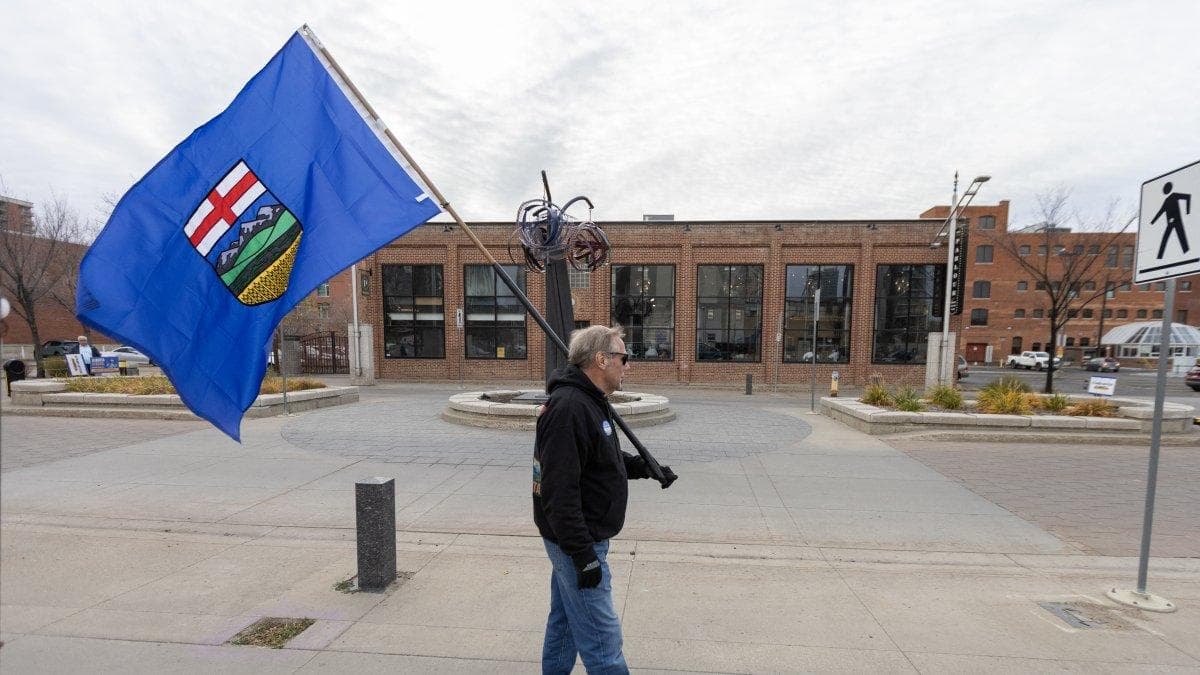

Alberta voters have rejected, by a wide majority, moving forward with the process toward a binding secession referendum. With more than a third of the ballots counted, over 76% supported remaining in Canada, and about 23% voted in favor of moving toward independence.
The result is a defeat for the separatist movement, but not necessarily the end of its demands, as a substantial portion of the province continues to believe that Ottawa does not respect its economic clout or its right to manage its resources.
A defeat, not a surrender
The referendum did not directly ask whether Alberta should leave Canada, but rather whether the provincial government should initiate the legal process to subsequently hold a binding referendum on secession. That distinction matters, since many voters who supported the separatist option were not necessarily seeking an independent state, but rather aiming to put pressure on Ottawa.
According to a pre-vote Angus Reid poll, 60% of those who backed the separatist option did so primarily to "send a message" to the federal government, compared to 37% who actually wanted an independent country. In that sense, the secessionist vote served as a democratic safety valve: a way of saying that Alberta refuses to be treated as a peripheral province within a federation whose political and financial center lies in the eastern part of the country.

Just the News
Christian leaders urge Trump to create legal pathway for Jewish Canadians facing antisemitism
Just The News
Carney celebrates unity
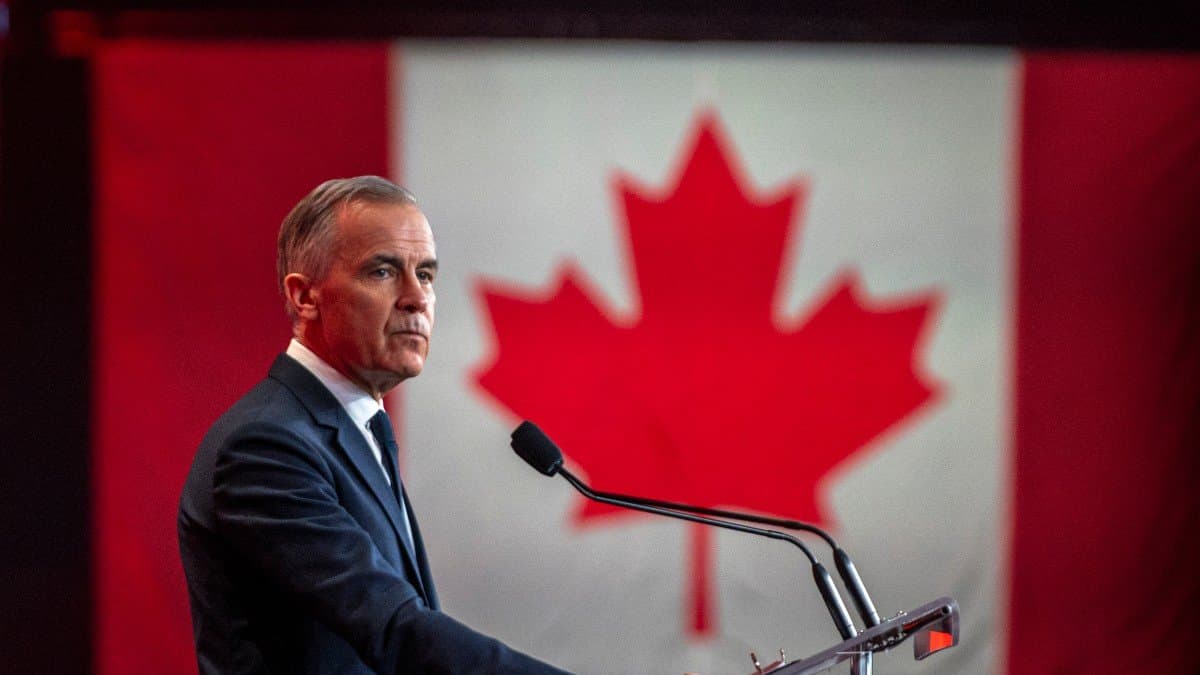
Premier Mark Carney welcomed the result and stated that Albertans had made a "clear decision" in favor of unity.
"They chose unity, building together, and looking out for one another," he stated in a press release published on X.
During the campaign, Carney had championed national stability amid a trade war and President Trump's threats of annexation.

Frustration among separatists
According to AFP, Jeffrey Rath, a prominent figure in the Alberta Prosperity Project, assured the press that the aspiration for a sovereign Alberta will move forward "without a doubt," regardless of the outcome of Monday's referendum. "We have learned many lessons from this struggle," he emphasized.
For his part, activist Jour Dain made no secret of his disappointment with the electorate. "Honestly, if this continues down this path of staying in Canada, I'm moving away," declared the man in his forties, who was already considering moving to the United States.
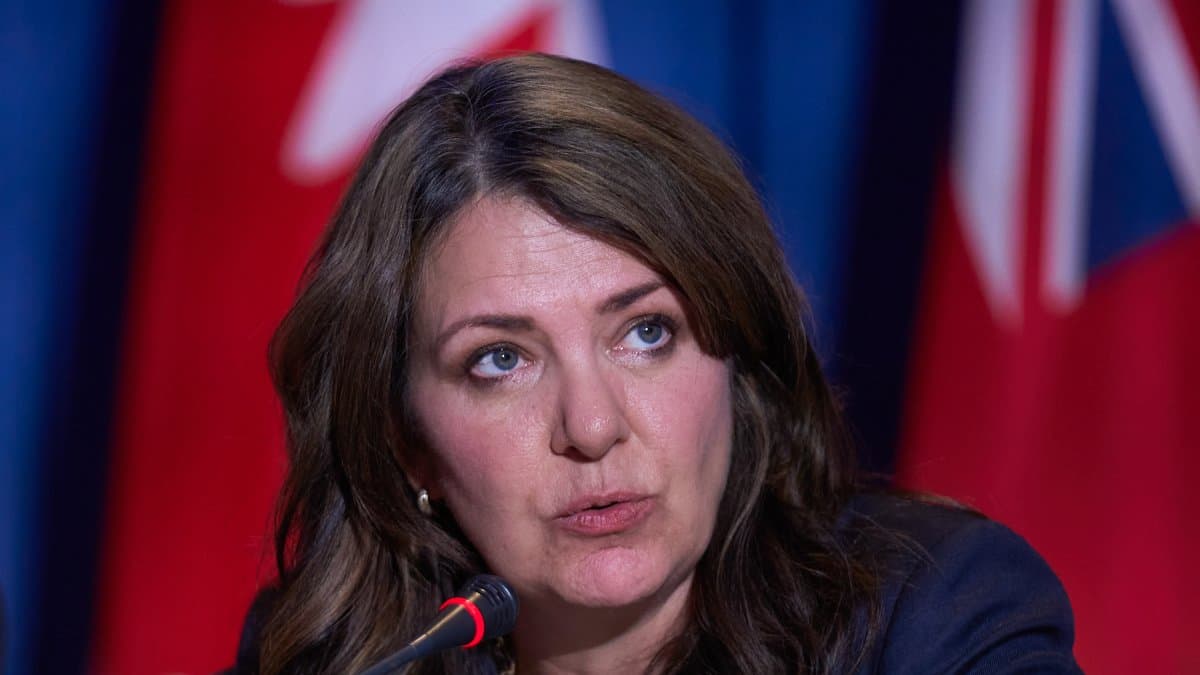
Danielle Smith, Alberta's Conservative premier, recalled that she herself had voted against secession, although she had promoted the referendum precisely to resolve a division running through the province. As she noted, a victory for those who support remaining part of Canada would put an end to the debate over independence.
Independence as a guarantee of autonomy
Separatists argue that independence would allow Alberta to fully control its resources—oil, gas, critical minerals, agriculture, and forestry—without the regulatory, fiscal, and climate-related constraints imposed by the federal government. Organizers of the movement maintain that the province could prosper once the initial instability of the transition is overcome.
It is also true that Alberta already has constitutional jurisdiction over its natural resources. Therefore, part of the real debate is not about ownership of the subsoil, but rather about pipelines, federal regulations, taxes, and the ability to export energy to Asia without relying almost entirely on the U.S. market.
Premier Carney has attempted to address Alberta's grievances by supporting a new pipeline to the Pacific coast and reversing some energy policies from the Justin Trudeau era. It is a step in the right direction, but insufficient if Ottawa wants to defuse the resentment in the long term.
🛠 Do you think there is an error in this article?
Recommendations






LATEST