Chevron, GE Vernova and other international companies prepare to sign key energy deals in Venezuela
Within the negotiation package, the agreements involving Chevron represent a significant investment volume.
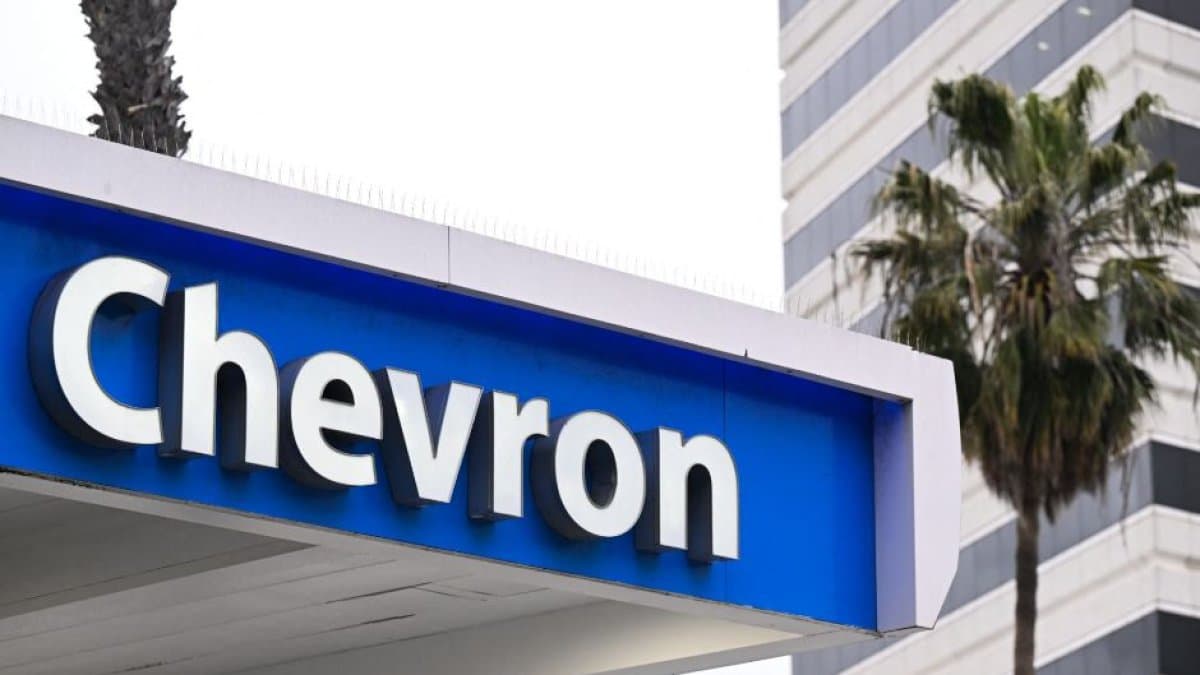

American corporations Chevron and GE Vernova, along with India's ONGC, Italy's Eni and Colombia's GeoPark, are in the final stages of negotiations to sign energy agreements in Venezuela, according to five sources close to the process who spoke to Reuters.
The signings come as the six-month period established for the migration of contracts to a modified hydrocarbons legal framework has come to an end. This reform provides greater operational flexibility to private multinationals to expand and manage oil fields, as well as to directly manage crude oil exports and marketing.
Corporate expansion and access to strategic reserves
Within the negotiation package, the agreements involving Chevron represent a significant investment volume.
The American company is seeking to acquire an additional block in the Orinoco Belt to expand its joint projects with PDVSA, as well as an area in northern Monagas state intended for the supply of diluents essential for processing extra-heavy crude.
At the same time, the firm GeoPark has made progress toward taking over the Bare heavy crude oil field, which would grant it access to reserves estimated at up to 1 billion barrels. Eni—which operates the Perla offshore gas project alongside Spanish company Repsol and holds a stake in the Corocoro field—noted that it is working with the parties involved to support the sector's revival.
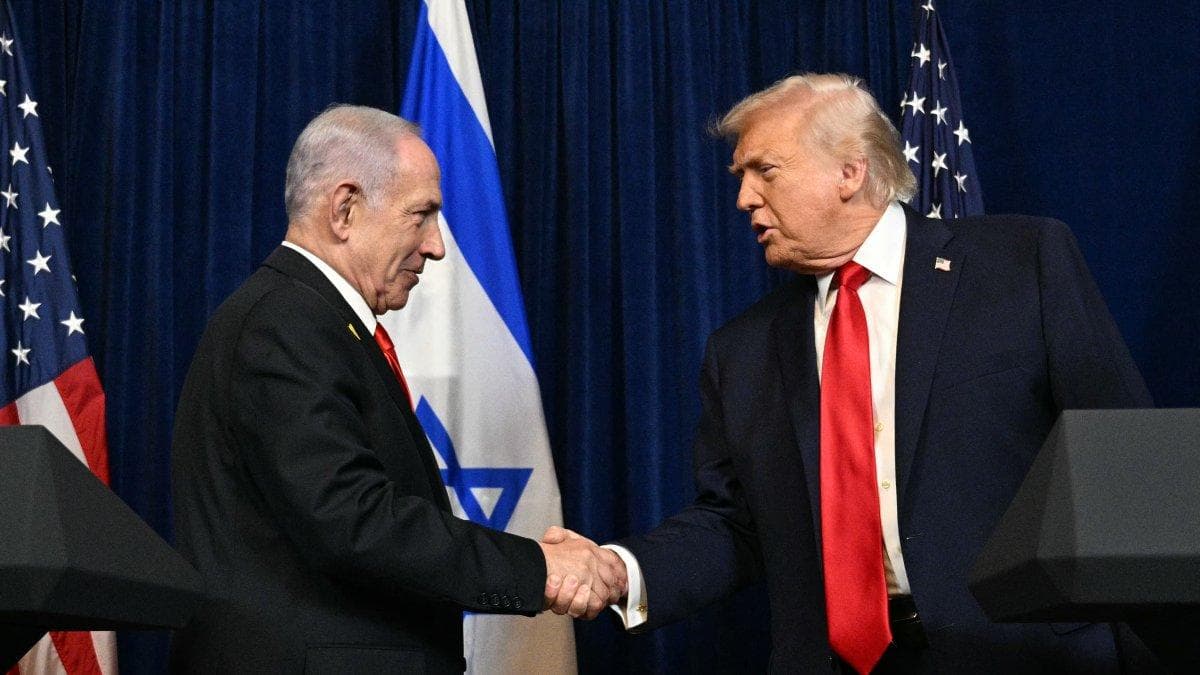
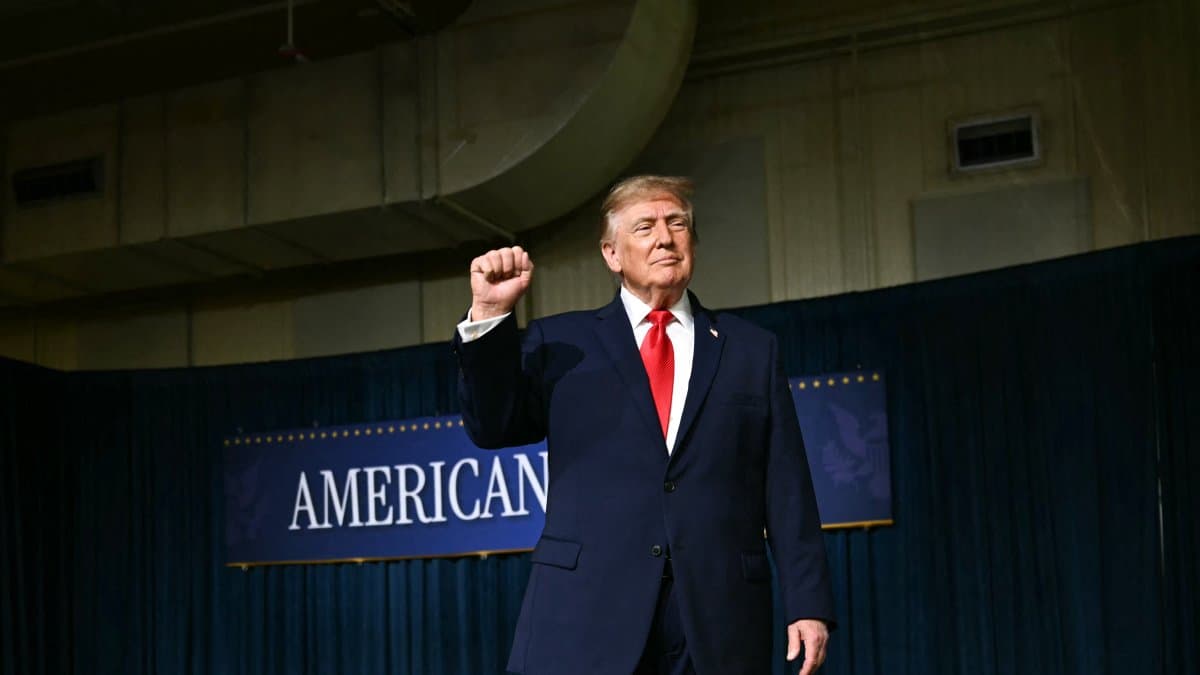
Regarding investment expectations in the region, President Donald Trump told the press that U.S. energy giants, including ExxonMobil and Chevron, are among the companies committed to allocating resources for infrastructure development in the Latin American country.
Structural transformation and stabilization of the international market
These separate agreements coincide with the recent announcement of an understanding between Caracas and Washington to ensure a U.S. presence in 17 oil fields that hold approximately 64 billion barrels of proven reserves, a figure representing nearly one-fifth of the country's total potential.
Official projections estimate that these assets, located in the Orinoco and Lake Maracaibo, could reach a production of 1.5 million barrels per day in the long term, substantially increasing the country's current production level, which stands at 1.25 million barrels per day.
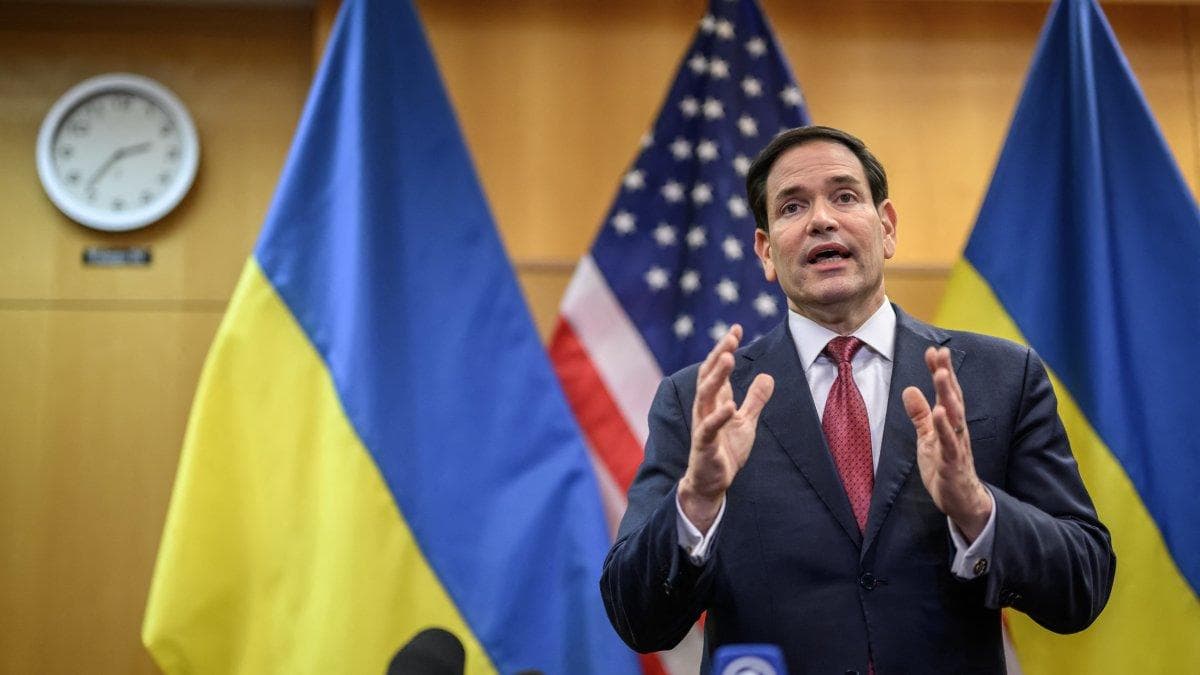
Regarding the impact of these measures on global supply, U.S. Vice President J.D. Vance told the media that the addition of these volumes is already bringing predictability to the international market: "[Oil prices] are sort of much more stable, in part because what we see coming out of Venezuela. Look, I think we are going to see significant increase in production. The 65 billion barrel reserve is a big part of that."
🛠 Do you think there is an error in this article?
Recommendations


LATEST