'The regime survives through deception': US dismantles a massive illicit Iranian shipping network and freezes $130 million in digital assets
The move comes as a direct response to Tehran's resumption of destabilizing attacks in the Strait of Hormuz.
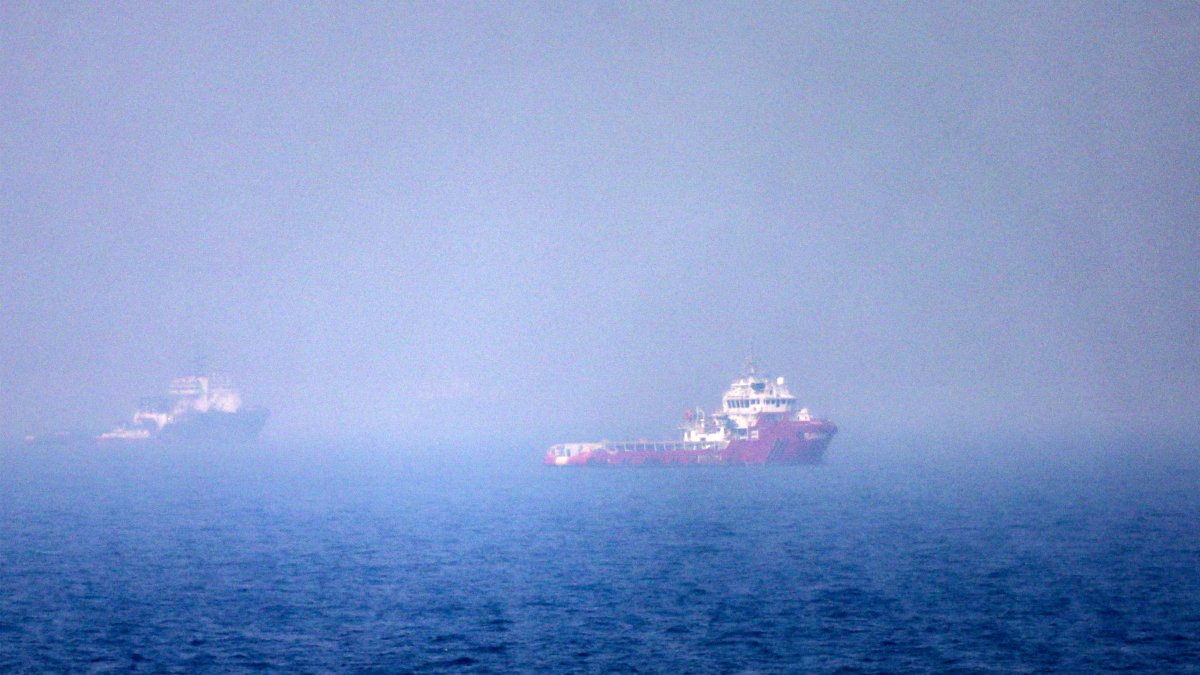
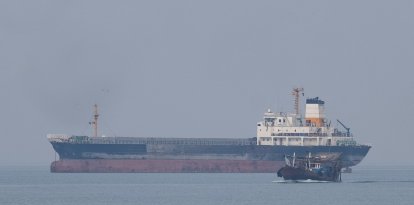
Ships sailing near the Strait of Hormuz on July 13, 2026.

The U.S. government has decided to drastically increase the financial cost to Iran's theocratic regime.
In a show of resolve in the face of recurring aggression in the Middle East, the Treasury Department, through the Office of Foreign Assets Control (OFAC), implemented a massive round of sanctions aimed at neutralizing the illicit maritime transport empire led by Mohammad Hossein Shamkhani.
The measure comes as a direct response to the resumption of Tehran's destabilizing attacks in the Strait of Hormuz, a nerve center for global trade.
The action coordinated by the Treasury is not limited to symbolic statements but directly targets the revenue streams the regime uses to finance its terrorist allies, such as the Houthis in Yemen.
Among the most severe measures is the freezing of multiple digital wallets linked to the Central Bank of Iran, which has resulted in the freezing of more than $130 million in virtual assets. With this latest operation, there are now more than 200 entities, individuals, and vessels associated with Shamkhani's network that have been sanctioned by Washington.
A blow to the financial heart of the ghost fleet
The evasion scheme led by Shamkhani has been classified by U.S. authorities as one of the most harmful tools to the security of the hemisphere.
"The Iranian regime survives through deception, and Shamkhani's network is one of its most profitable engines," Treasury Secretary Scott Bessent stated firmly.
The senior official emphasized that the administration is systematically dismantling the financial infrastructure that the regime uses to threaten U.S. national security and free international maritime transit.
OFAC's offensive is based on National Security Presidential Memorandum NSPM-2 and Executive Order 13902, both of which empower the Executive Branch to strangle key sectors of Iran's economy.
The measures immediately freeze any assets or business interests of those sanctioned within U.S. territory, prohibiting U.S. citizens and companies from conducting any transactions with them under penalty of severe civil and criminal penalties.
International front companies and container shipping under scrutiny
The Treasury's investigation brought to light the complex network of global facilitators operating under Shamkhani's orders.
Among those sanctioned are financiers Hossein Ghorbani Zahed and Mohammad Reza Rahbar Madani—who used Dominica passports to set up shell companies in Dubai and the British Virgin Islands—as well as Ali Rakhbarmadani, a Russian-Iranian dual national who managed communications with partners in Moscow to circumvent international price caps on Russian oil following the invasion of Ukraine.
The list of those implicated also includes former European executives, such as the Danish Martin Austin Kaalund and the Italian Alessandra Ronco, who devised the strategies for the front company House of Shipping.
The crackdown also targeted container shipping through key firms such as Sea Lead Shipping, based in Singapore, and its subsidiaries in India and the Marshall Islands.
These corporations facilitated the transport of both legal and illicit goods to and from Iranian territory, disguising ordinary commercial operations to transfer resources directly to the Shiite militias sowing chaos along the Red Sea routes.
The blockade also targeted the Caspian Sea fleet controlled by Shamkhani, which transports strategic supplies directly between Iran and Russia.


Politics
'I want to be reimbursed': Trump demands several Persian Gulf countries pay the US for protecting the Strait of Hormuz
Luis Francisco Orozco
LATEST