The persecution continues: Maduro's regime sentences the son-in-law of the president-elect of Venezuela, Edmundo González, to 30 years in prison
The sentence was disclosed by criminal lawyer Zair Mundaray, who claimed the process was carried out without guarantees or evidence to support the charges.
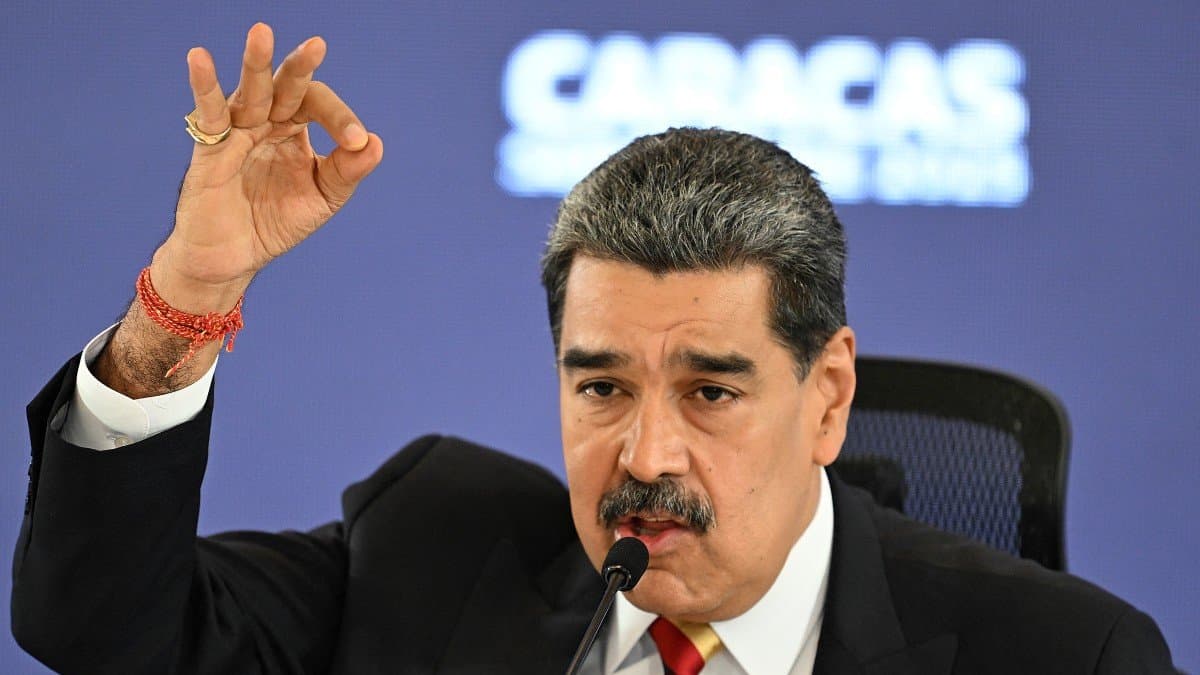

A Venezuelan court under the control of the regime of Nicolás Maduro imposed severe sentences of 30 and 20 years in prison against two people directly linked to the opposition leadership. The sentences were disclosed by criminal lawyer Zair Mundaray, who claimed the process was carried out without guarantees or evidence to support the charges.
Judge Alejandra Romero, of the Third Trial Court with jurisdiction over terrorism, sentenced Rafael Tudares Bracho, son-in-law of the president-elect of Venezuela, Edmundo González Urrutia, to 30 years in prison. In the same decision, he imposed a 20-year prison sentence on Luis Guillermo Isturiz, regional leader of the opposition party Vente Venezuela. According to the report released by Mundaray, the Public Prosecutor's Office charged them with the crimes of terrorism and conspiracy, despite the absence of solid evidence.
The case of Tudares
World
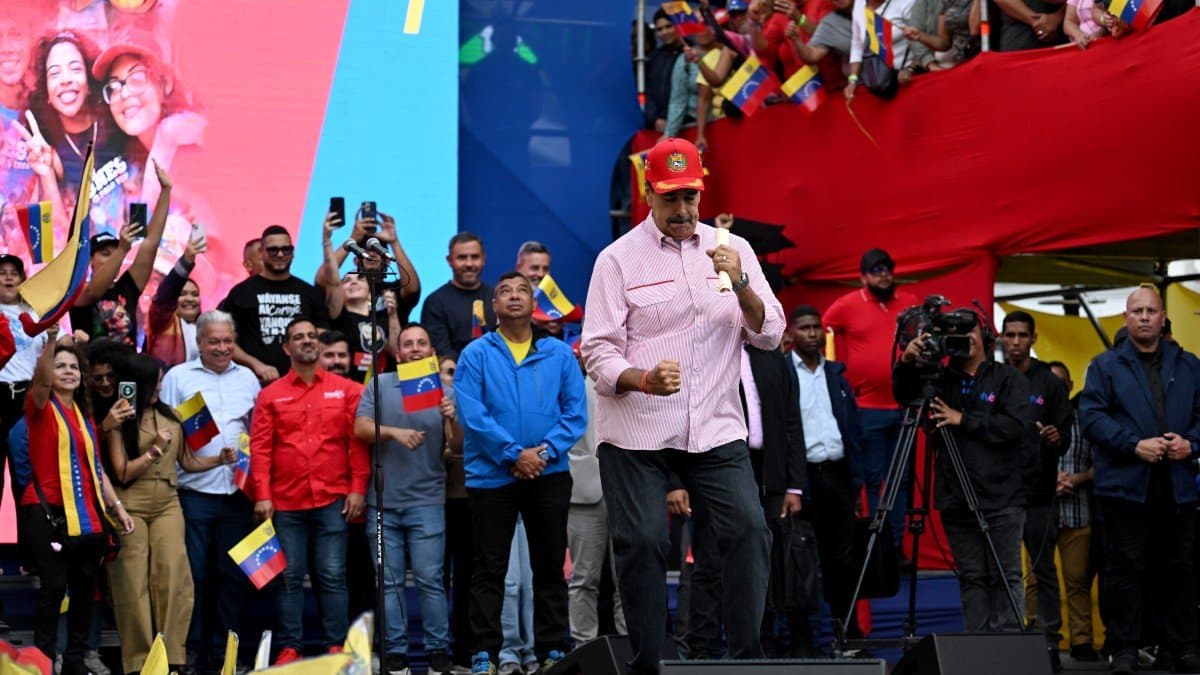
Maduro defies and mocks Trump's ultimatum by dancing in a public act: "They will never be able to get us out"
Emmanuel Alejandro Rondón
The Gonzalez family rejects any accusations
The president-elect's family has categorically denied that Tudares has any links to violent acts or to the political conflict surrounding his arrest. Mariana Gonzalez, daughter of Edmundo Gonzalez Urrutia, has reiterated that there is no relation between her brother-in-law and the actions that led to the arrest, amid the crisis generated by the denunciation of fraud filed following the proclamation of Maduro as the winner in July 2024.

A pattern of persecution
The judicial decision adds to numerous cases denounced by human rights organizations, which warn about the lack of independence of the Venezuelan judicial system and its use to persecute opponents or people related to them.
🛠 Do you think there is an error in this article?
Recommendations







LATEST