






Maduro describes his call with Trump as "cordial" while the US keeps up pressure for his exit from power
In his public statement, the dictator tried to present the contact as a possible sign of diplomatic opening.
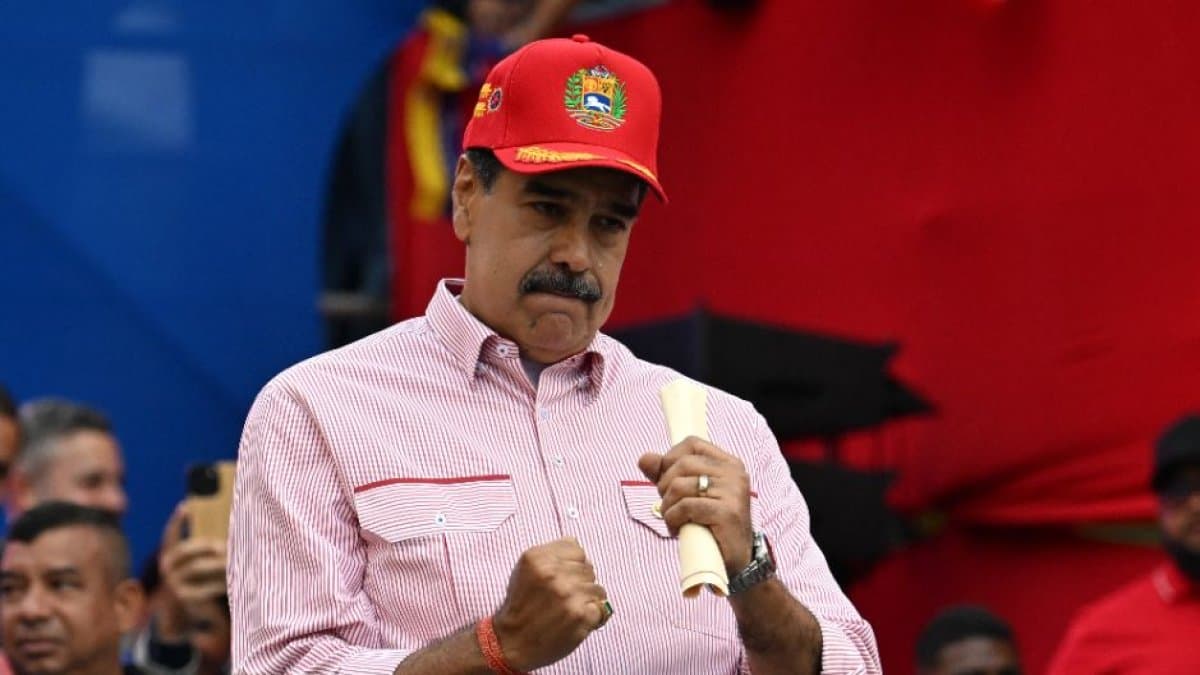

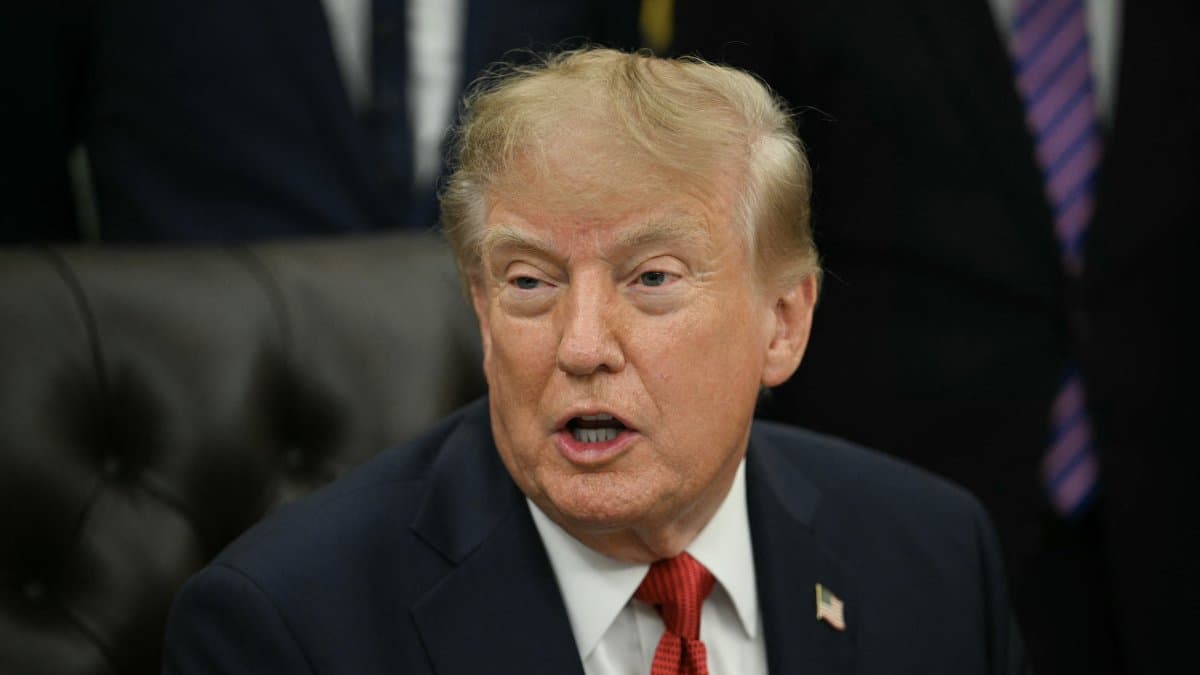
Dictator Nicolas Maduro confirmed Wednesday that he held a telephone conversation with President Donald Trump several days ago, an exchange he described as "cordial." However, he avoided referring to the elements that, according to press reports, would have turned that call into a strong message from Washington: the demand that he leave power immediately. Trump had acknowledged the dialogue days before, without revealing details.
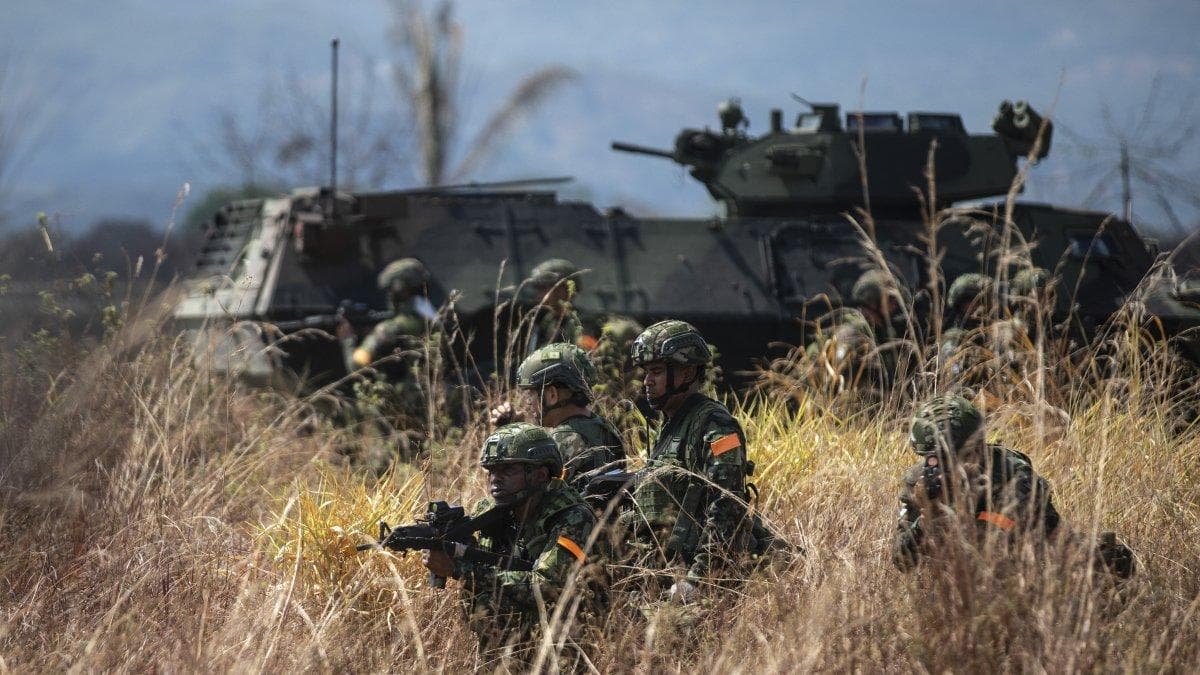
In his public statement, Maduro tried to present the contact as a possible sign of diplomatic opening and assured that, if it contributes to a "respectful dialogue", he would be willing to move in that direction. This, after having claimed that the U.S. military deployment in the Caribbean including the aircraft carrier incorporated to the anti-drug operation since November- would have the real objective of facilitating his overthrow.
"I conversed with the president of the United States, Donald Trump. I can say that the conversation was in a tone of respect; I can even say that it was cordial between the president of the United States and the president of Venezuela," Maduro declared.
Washington, for its part, maintains its position. The US government accuses Maduro of leading the so-called Cartel of the Suns, designated as a terrorist organization, and offers a $50 million reward for information leading to his capture.

An exit proposal that did not come to fruition
The essential condition—immediate departure—would have been rejected by Maduro. In addition, the socialist dictator allegedly came to the conversation with two demands that Washington ruled out from the beginning: a general amnesty for all those responsible for crimes committed during his government and the continuity of Chavismo in command of the armed forces.
🛠 Do you think there is an error in this article?
Recommendations

LATEST