ANALYSIS
Caught between the Army and the paramilitaries: Where does Sudan's war stand?
The armed conflict started in April 2023 between the Sudanese Army (SAF), led by General and now de facto leader Abdelfattah al Burhan, and the Rapid Support Forces (RSF), a paramilitary militia led by Mohamed Hamdan Dagalo, alias Hemeti has caused tens of thousands of deaths, and displaced more than 12 million people, including 4.2 million who have fled to neighboring countries such as Chad, Egypt and South Sudan.
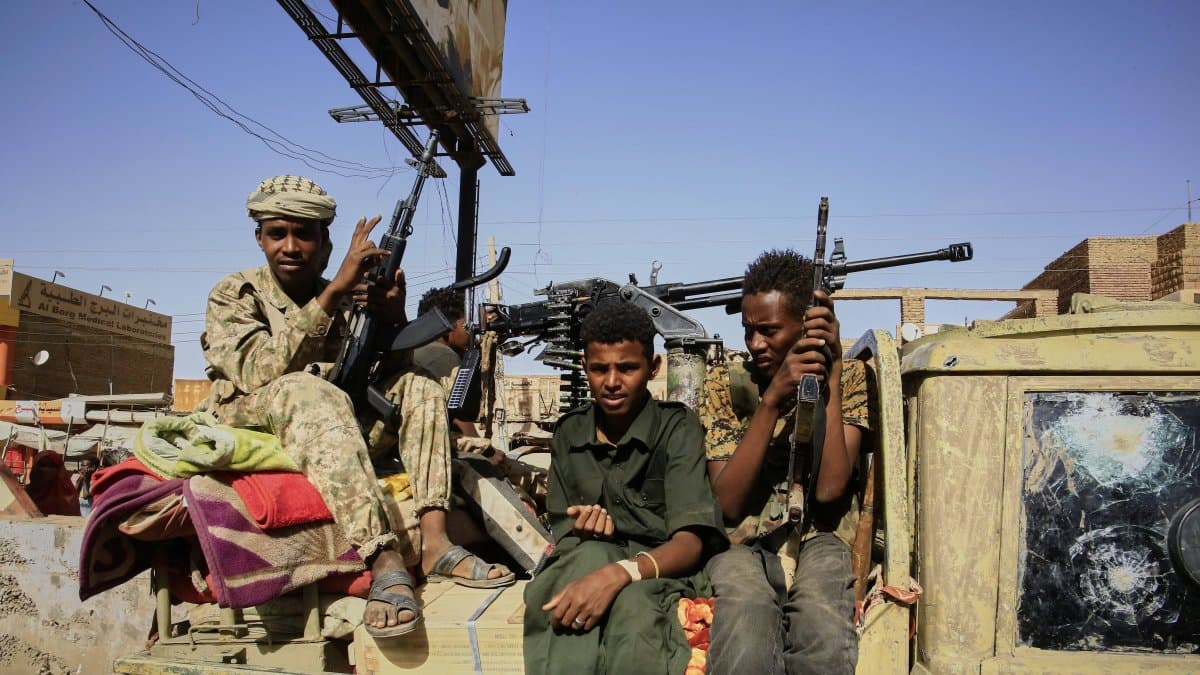

The current situation in Sudan is dire, driven by a brutal civil war that has sparked one of the worst humanitarian crises in the world.
The armed conflict began in April 2023 when the Sudanese Army (SAF), under the leadership of General Abdelfattah al-Burhan, clashed with the Rapid Support Forces (RSF), a paramilitary militia led by Mohamed Hamdan Dagalo, also known as Hemeti.
The two leaders were allies in the 2019 overthrow of dictator Omar al-Bashir, but their relationship soured during negotiations to form a civilian government. Tensions escalated when Hemeti rejected a plan to integrate the RSF into the army as part of a broader military reform, fearing it would undermine his autonomy and power.
A war in a critical phase
Two years later, the war has claimed tens of thousands of lives and displaced over 12 million people, including 4.2 million who have sought refuge in neighboring countries like Chad, Egypt, and South Sudan.
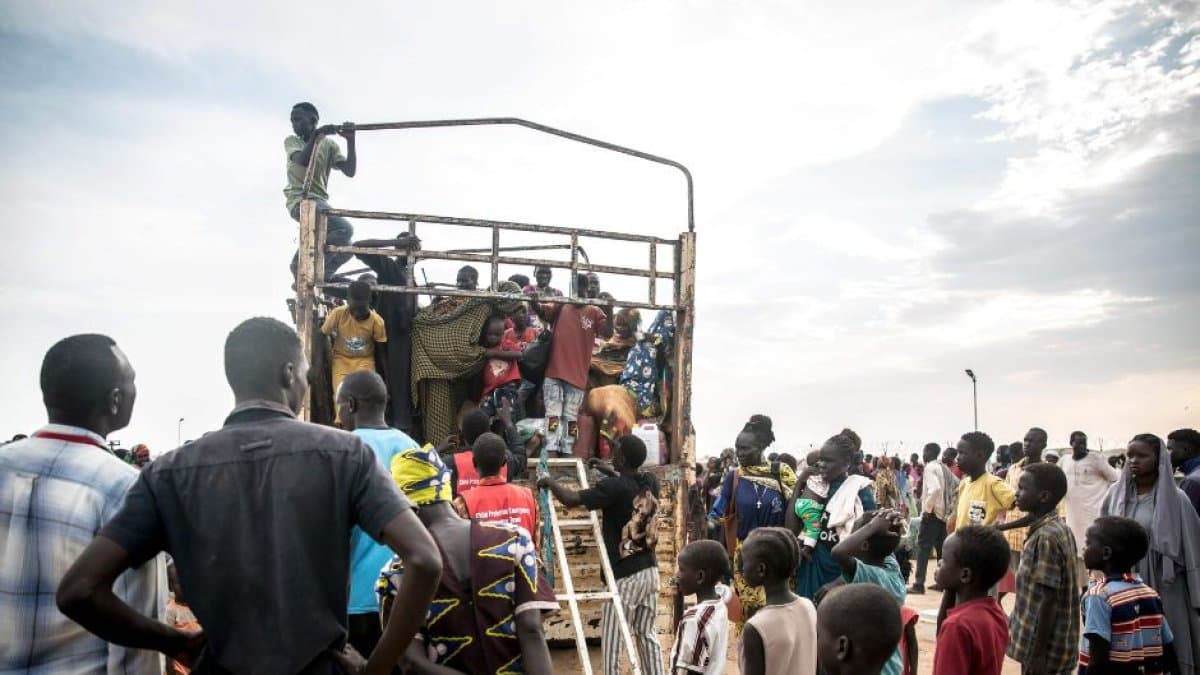
Meanwhile, fighting between the regular army and the RSF has intensified in the western regions of Darfur and Kordofan. So far this year, more than 3,300 civilians have been killed, many as a result of shelling and summary executions.
The army controls the north, east, and central regions of the country, including the capital, Khartoum, and Port Sudan — a strategic port on the Red Sea. The Transitional Government, led by General Abdel Fattah al-Burhan, is based there.
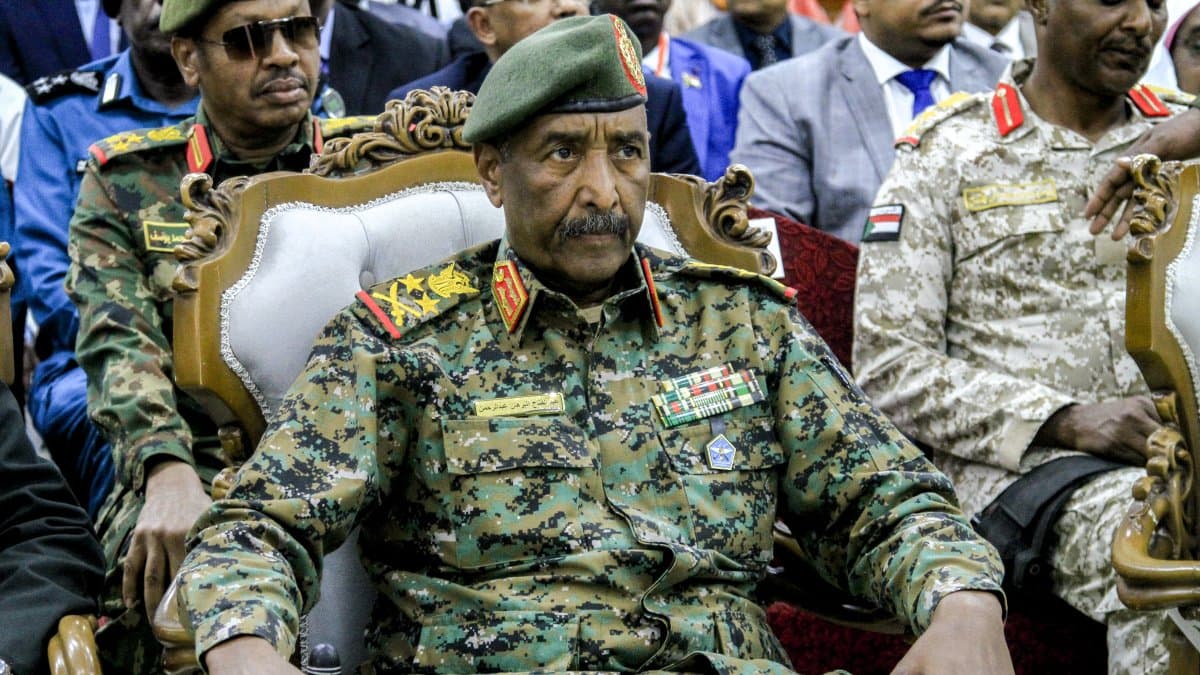
General Abdel Fattah al BurhanAFP.
On the other hand, RSF paramilitaries under Hemeti’s command control the south of the country and much of the Darfur region in the west, where they have established a parallel administration in the city of Nyala.
According to analysts cited by AFP, the greatest risk of this territorial split is that, if the current divisions become entrenched, Sudan could face permanent fragmentation, with rival administrations controlling separate regions — much like the situation in Libya today.
El Fasher, the capital of North Darfur and the last city in the region still held by the regular army, is on the verge of falling.
Darfur: the never-ending siege of El Fasher
The RSF have been besieging El Fasher since May 2024 and have advanced in recent weeks on several strategic positions, according to satellite images from the Humanitarian Research Lab (HRL) at Yale University.
For nearly 500 days, the city has been at the center of an unprecedented humanitarian catastrophe, with attacks intensifying through drone and missile bombardments targeting residential areas, mosques, and schools.
RSF drone strikes left 67 dead at a mosque in El Fasher in late September, and at least 15 dead a week ago at a market.
More than 260,000 civilians remain trapped in the city. Many say they survive on animal feed, while those who attempt to flee risk beatings, rape, or even death, according to testimonies compiled by AFP and UN reports.
The Army accuses the United Arab Emirates
For now, Nyala, the capital of South Darfur, serves as the provisional capital of the RSF, which has established a rival government there and is currently under attack by the army. A recent bombing of a clinic in the city resulted in 12 deaths.
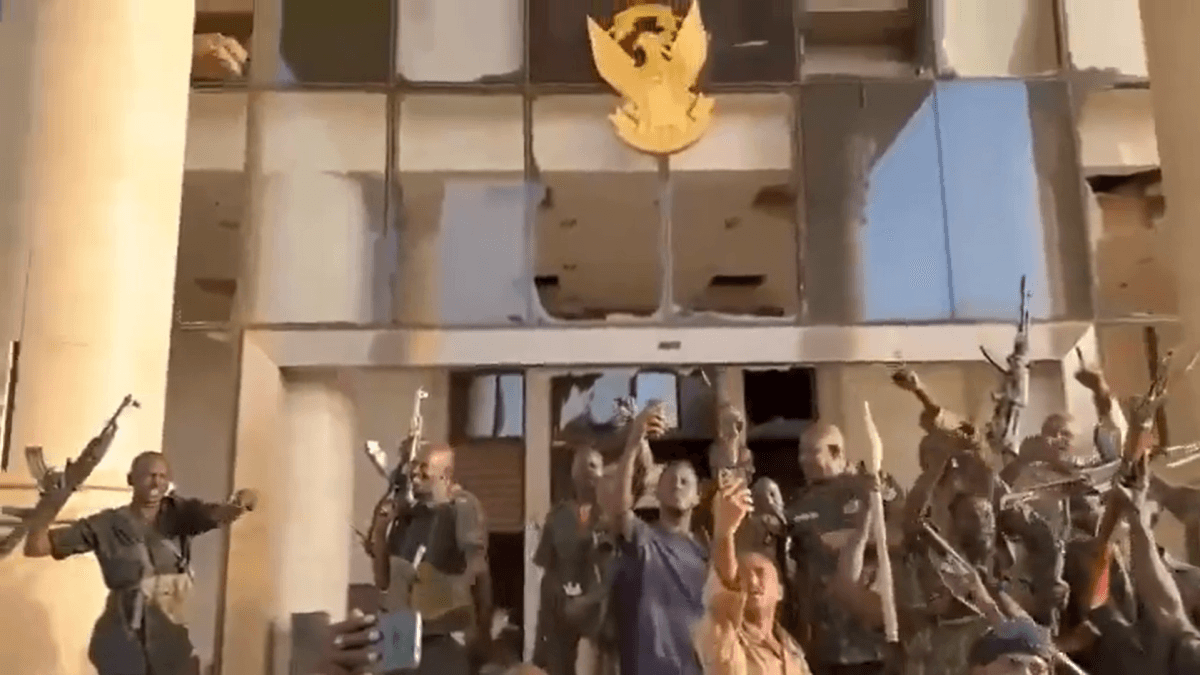
The Army accuses the United Arab Emirates of supplying the paramilitaries with men, weapons and drones through Nyala airport. Abu Dhabi, however, denies such allegations.
Kordofan: massacres and humanitarian crisis
Fighting has also intensified in recent months in Kordofan, an oil-rich region east of Darfur that is crossed by key strategic routes. As a result, humanitarian organizations report a sharp increase in basic food prices and widespread malnutrition, particularly among children.
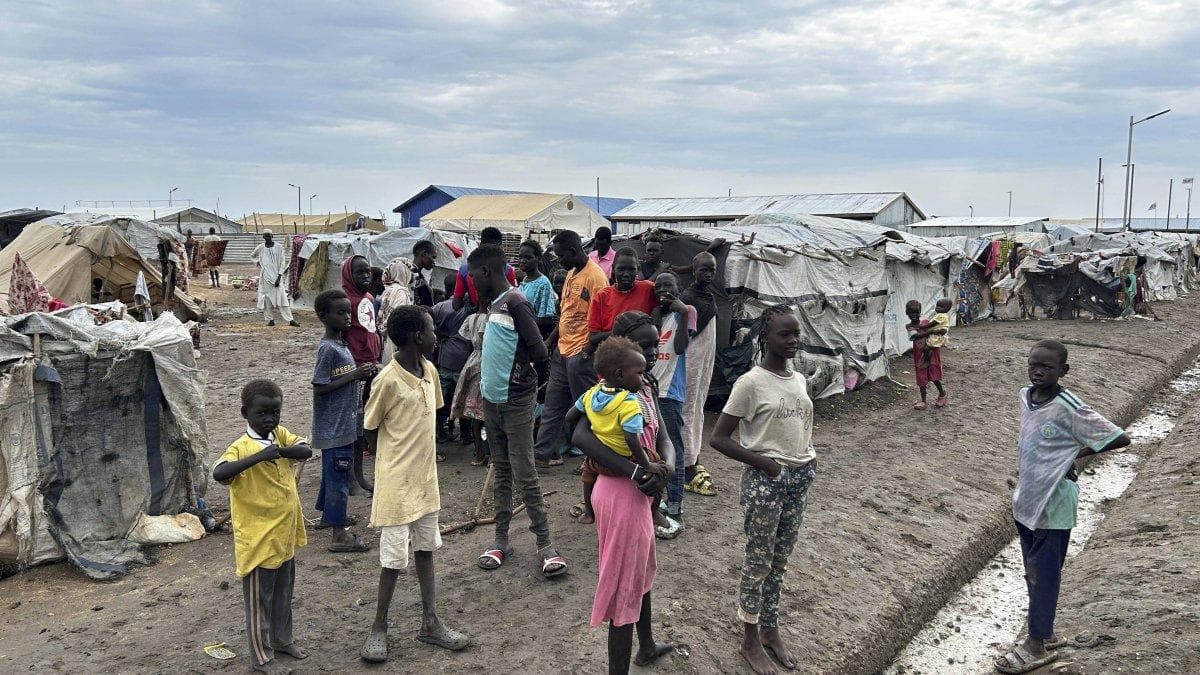
Children gather at the Renk transit center.AP / Cordon Press.
In late September, the Sudanese Army recaptured the town of Bara, key to the security of El Obeid, the capital of North Kordofan. Since the beginning of the conflict, the RSF had controlled this town and the Army declared that its entry represents "strength, determination and power.”
In July, hundreds of civilians were killed in rebel attacks on villages near the town of Bara, according to Emergency Lawyers, which documents the conflict.
According to the organization's statement, "more than 200 people were killed in Shag al-Nawm alone, most burned inside their homes, and another 38 were victims of simultaneous massacres, amid widespread looting and mass burials of victims."
Khartoum: between reconstruction and kamikaze drone strikes
In May, the army recaptured from RSF the state of Khartoum, in the center-east of the country. Currently reconstruction work is underway in the capital, preparing for the anticipated return of government institutions.
However, RSF launched attacks in September against strategic sites near Khartoum, using drones to target key facilities, including a military camp in Al Marjiyat, an electrical substation, resulting in massive power outages, residential areas such as Al Kalakla and a refinery in Al Jalaili.
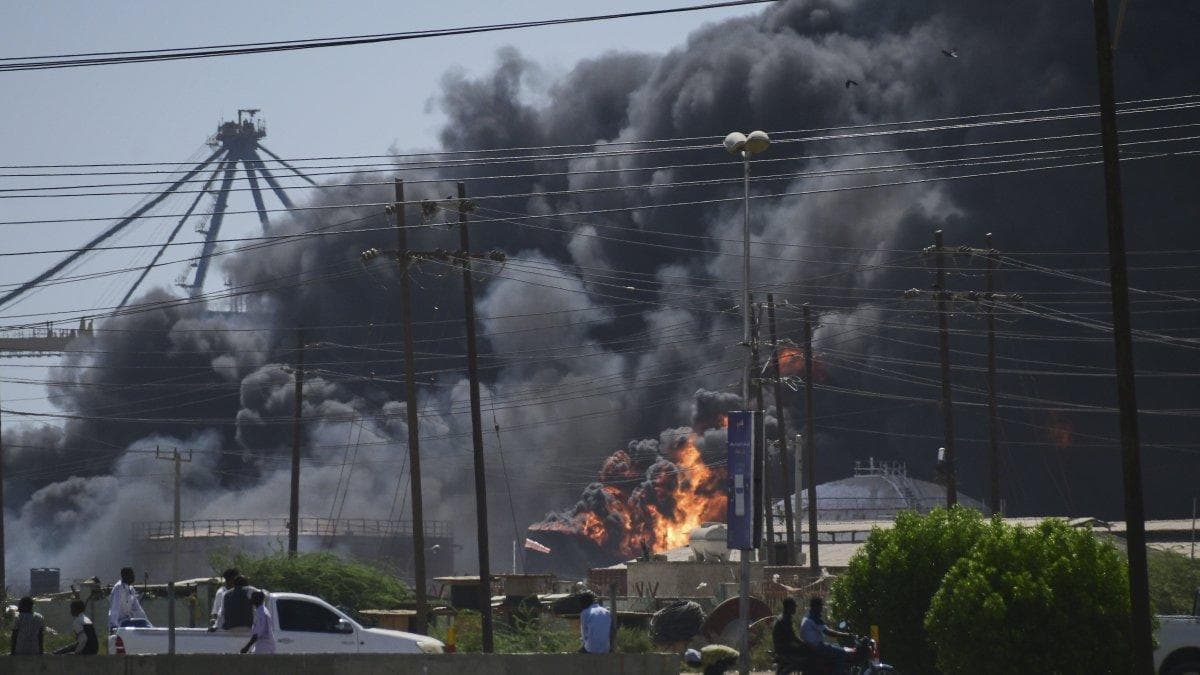
Port Sudan drone strike.APN / Cordon Press.
Although the Sudanese Army had recaptured the Republican Palace and other buildings in March, the RSF attempted to destabilize the area with spot attacks. No deaths were reported in those attacks, but significant damage to electrical infrastructure was reported.
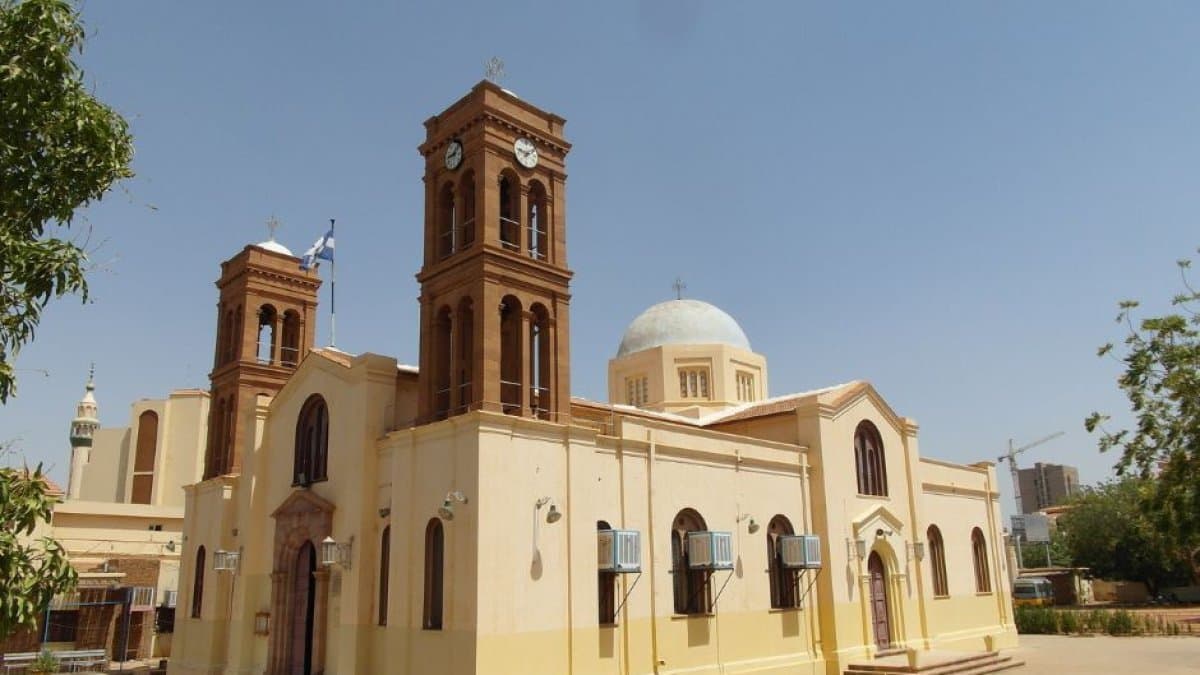
Attacks in Sudan’s Red Sea State
In May, RSF launched drone strikes on Port Sudan, a coastal town that until then had remained out of the armed conflict, for the first time.
During those strikes, the targets were the Port Sudan International Airport, fuel depots and a hotel near the residence of General Abdelfattah al Burhan. There were no fatalities during the attacks.
Colombian youths recruited in the war in Sudan
According to The Telegraph, many of these Colombians ended up fighting alongside the Rapid Support Forces (RSF), a group accused of war crimes and ethnic cleansing in Darfur.
Sudanese Army officials stated that these men were not only training in Sudan but also fighting on the front lines in Darfur and Kordofan.
A Sudanese Army officer in Darfur, Ahmed Safeldin, told the British newspaper that the Colombians’ effectiveness was limited and that many had died in combat. “They don’t understand our tactics or the geography and topography of Darfur, which is why many were killed. We have recovered official Colombian identity documents as proof,” he said.
"They don't understand our tactics and they don't know the geography and topography of Darfur. That is why they have killed many of them. We have recovered official Colombian identity documents to prove it," the officer said.
Mohamed Ali, another officer, said, "The Colombian mercenaries have been fighting with the RSF in Sudan since last year and they are still here now. We killed them and took their documents to prove any legal case in the future."
🛠 Do you think there is an error in this article?
Recommendations





LATEST