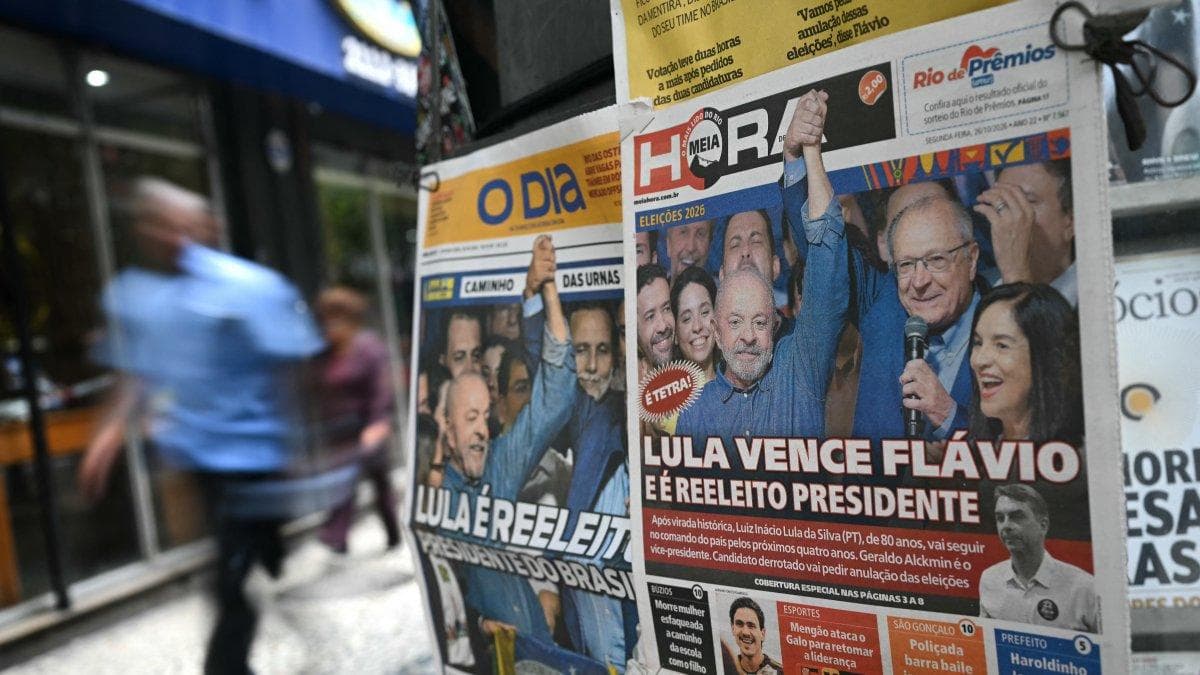
Mexicans denounce in Washington during US Summit: "We face a narco-government"
The meeting in the U.S. capital was marked by denunciations of the complicity of political power in Mexico with the cartels.
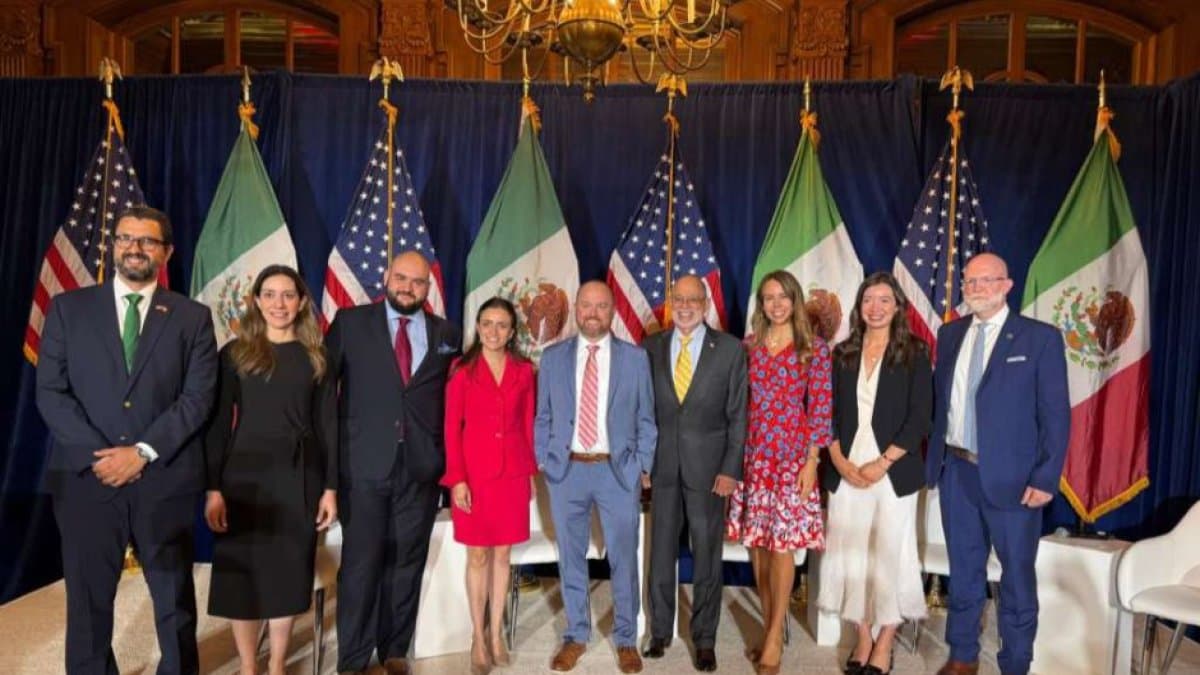

Mexican Senator Lilly Téllez denounced at the Third Bilateral Summit Mexico—United States that a "narco-government" operates in her country that has weakened institutions, persecutes opponents, and puts democracy at risk. The summit, organized by The Heritage Foundation, America First Policy Institute (AFPI), Texas Public Policy Foundation (TPPF), and the Mexican foundation Patria Unida, brought together political leaders, academics, and civil society representatives from both countries.
"Mexico faces a narco-government".
Téllez asserted that Mexico has ceased to function as a full republic due to the influence of organized crime in politics. She criticized the judicial reform promoted by the former President Andrés Manuel López Obrador, and continued by the current President Claudia Sheinbaum, whom she described as illegitimate, because—she said—she seeks to eliminate citizen defenses such as the amparo trial, considered one of the main shields of citizens against abuses of power.
The legislator also demanded that a list of politicians colluding with drug trafficking be made public and celebrated the decision of the United States to classify cartels as terrorist organizations.
In the closing of his message, he launched a direct call against the ruling party:
"We have to kick out Morena and its mafiocracy. We have to build a republic with independent powers, without a narco-pact, for life, freedom and peace."
Denouncement from Patria Unida
Alice Galván, president of Patria Unida, agreed with Téllez in stating that the Mexican government has ceded power and territory to organized crime. She warned that families face extortion and forced displacement due to violence, which directly impacts social and economic stability.
Galvan argued that the upcoming revision of the North American Free Trade Agreement (NAFTA) should go beyond trade and include commitments on democracy and security.
Warnings from Washington
Meanwhile, Joshua Treviño, representative of AFPI and TPPF, highlighted the importance of Patria Unida's work in building bridges between Mexico and the United States to confront common threats such as organized crime.
Closing with diplomatic message
U.S. Ambassador to Mexico, Ron Johnson, closed the summit with a call for bilateral co-responsibility. He stressed that only through cooperation and shared commitment will it be possible to curb violence and guarantee greater security for families in both countries.
🛠 Do you think there is an error in this article?
Recommendations

LATEST