Israeli sources reveal Netanyahu's plan for full occupation of Gaza
The Israeli government believes that Hamas will not accept conditions such as disarmament or exile, which could allow it to maintain control of Gaza and make it difficult to release all hostages. The military chief maintains his opposition to the move.
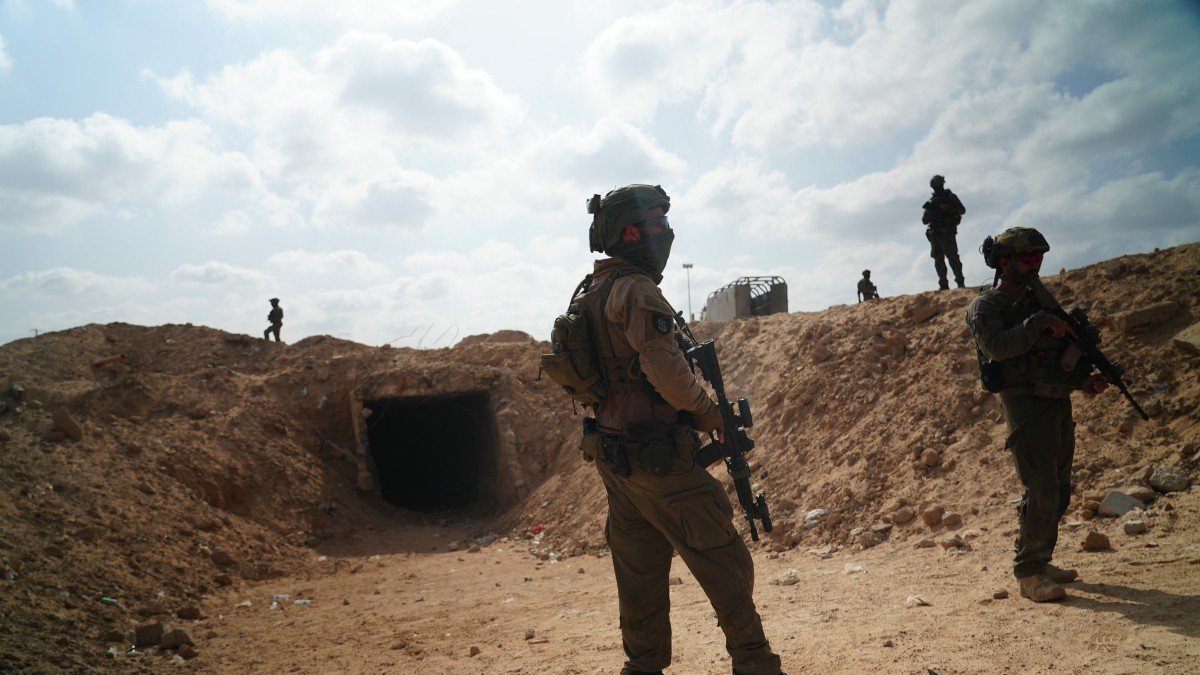
Israeli soldiers in Gaza

Israel is at a turning point with regard to its strategy in the Gaza Strip, with the government leaning toward total military occupation, Israeli media outlet Ynet. This decision, which could be defined at a key cabinet meeting this Thursday, generates tensions both domestically and internationally, while President Donald Trump is reportedly preparing a large-scale humanitarian proposal that could alter the plans.
According to Ynet, a senior Israeli official noted that "the course is occupation, but until tomorrow, God is great; in the Middle East, things can change."
The source stressed that while the current direction points to a full occupation of Gaza, the U.S. is working on a humanitarian package that could alter the course of action.

JNS
UN confirms 88% of aid trucks in Gaza looted before reaching destination
JNS (Jewish News Syndicate)
Netanyahu's plan
The Israeli strategy includes a multi-month military operation that would encompass Gaza City and the central towns of the strip, promoting the displacement of the population southward, towards the humanitarian zone of Al-Mawasi. This process has already begun with warnings to the residents of the Zeitun neighborhood to evacuate southward.
Military chief's opposition
Chief of the General Staff of the Israel Defense Forces (IDF) Eyal Zamir expressed his opposition to the occupation during a security discussion, warning of the impact on hostages and the attrition of military forces. Despite this, Zamir clarified that he will abide by the orders of the political leadership.
Israel's two plans in Gaza
The IDF presented two plans: total occupation or encirclement (isolation to put pressure on Hamas and other terrorist groups). The general favors encirclement, a strategy also supported by Foreign Minister Gideon Sa'ar. However, Prime Minister Benjamin Netanyahu insists that the occupation would significantly increase the chances of releasing the hostages, arguing that the current approach has failed to achieve results.
Netanyahu reportedly received backing from Trump for forceful military action, aligning himself with the demands of his finance and public security ministers, Bezalel Smotrich and Itamar Ben Gvir, respectively.
The Ynet article also further highlights concerns about the hostages. Netanyahu argues that time for a prolonged encirclement is running out, as they risk starvation. However, occupation would mean entering sensitive areas where the abductees are held, which could also put them in danger. In addition, Israel believes that Hamas will not accept conditions such as disarmament or exile, which could allow it to maintain control of Gaza and make it difficult to release all the hostages.
The final decision, to be made in the next few hours, will mark a critical moment in the conflict, with implications for both the Gazan population, the hostages and regional stability.
LATEST