Attempted archaeological heist uncovers Second Temple-era stone workshop in Jerusalem
The ancient workshop, located on the eastern slopes of Mount Scopus, was stumbled upon last month during an undercover surveillance operation targeting an organized gang of antiquities robbers, according to the Israel Antiquities Authority.
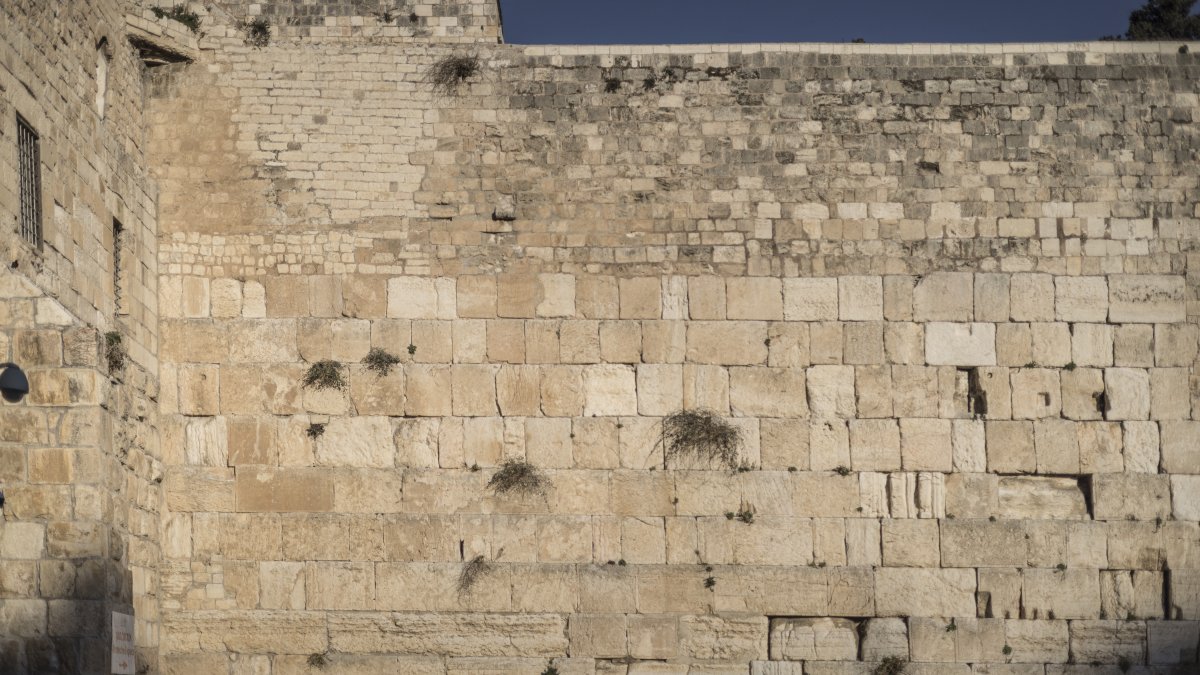
The Western Wall, the last remnant of the Second Temple, in Jerusalem

A large stone tool workshop from the Second Temple period was inadvertently uncovered in a Jerusalem-area cave during an attempted archaeological heist, the Israeli Antiquities Authority announced on Monday.
The ancient workshop, located on the eastern slopes of Mount Scopus, was stumbled upon last month during an undercover surveillance operation targeting an organized gang of antiquities robbers, the state-run archaeological body said.
The discovery of the workshop reinforces the assessment that this was an important and central site located on the main road used by Jewish pilgrims coming to Jerusalem from the east—the Jordan Valley and Jericho area, from communities in TransJordan and from all around the Dead Sea region, according to the IAA.
The vessels produced at the site were apparently marketed in the streets of Jerusalem to both the city’s residents and to visitors making a pilgrimage.
Five suspects arrested
The five suspects arrested during the nighttime raid were in possession of extensive excavation equipment, including a generator, quarrying tools and a metal detector.
After capturing the suspects, the inspectors discovered hundreds of unique stone vessel fragments in the cave.
“Workshops for producing chalk limestone vessels from the Second Temple period are already known in the Judean hills,” said Eitan Klein, deputy director of the IAA’s Theft Prevention Unit. “However, the discovery of this workshop is particularly important, because now a broad picture of the region is emerging: In addition to these production workshops, a host of other finds dating back to the days of the Second Temple were discovered—tombs, large water reservoirs, a purification bath or mikve and a limestone quarry,” he continued.
The stone vessels from the workshop are currently on display in a new exhibition at the Jay and Jeanie Schottenstein National Campus for the Archaeology of Israel in Jerusalem.
LATEST